1-punkan Dake Furete Mo Ii Yo Share House No Hi... -
Open source sidescan sonar data processing software for underwater surveying, imaging and scientific applications.

Open source sidescan sonar data processing software for underwater surveying, imaging and scientific applications.
About
Open Sidescan is a powerful data processing software suite to easily view and manipulate sidescan sonar imagery files, investigate seabed features or underwater infrastructures, create underwater inventories, and much more.
In the end, the fictional “Share House Day” of one-minute touch is a mirror held up to contemporary society. We live in an era of digital connection but tactile starvation. We have emojis for hugs but no one to give them to. The share house, with its transient population and makeshift families, is the perfect stage for this drama. It is a place where people are close enough to hear each other cry through the wall, yet far enough away to pretend they didn’t. To allow that one minute of touch is to tear down that pretense. It is to say: I see you. I acknowledge your physical existence. And for sixty seconds, I will not be afraid of you, and I will not make you afraid of me.
First, the phrase itself is a masterpiece of conditional vulnerability. “Just one minute” implies a temporary suspension of the self’s fortress walls. In a share house, where personal space is often reduced to the dimensions of a single bed or a designated shelf in the refrigerator, residents develop sophisticated rituals of avoidance. They learn to listen for the creak of a floorboard before exiting their room, to time their kitchen visits to avoid awkward encounters, and to offer verbal kindnesses while maintaining a physical chasm. The offer of touch—even for sixty seconds—shatters this choreography. It acknowledges that despite the shared TV and the shared rent, a deeper loneliness persists. It admits that we can know someone’s sleep schedule or their preference for milk in their coffee, yet remain utterly ignorant of the warmth of their hand. This hypothetical day becomes an antidote to what sociologists call “crowded loneliness.”
Whether such a day could ever exist without awkwardness or pain is debatable. But the beauty of the concept lies not in its feasibility, but in its yearning. It reminds us that beneath the noise of shared Wi-Fi passwords and arguments over the thermostat, the residents of a share house are simply people searching for a safe place to land—not just in a room, but in another person’s arms. And sometimes, one minute is more than enough time to find home.
Screenshots
Shipwreck of the Scotsman

Abandoned aquaculture gear

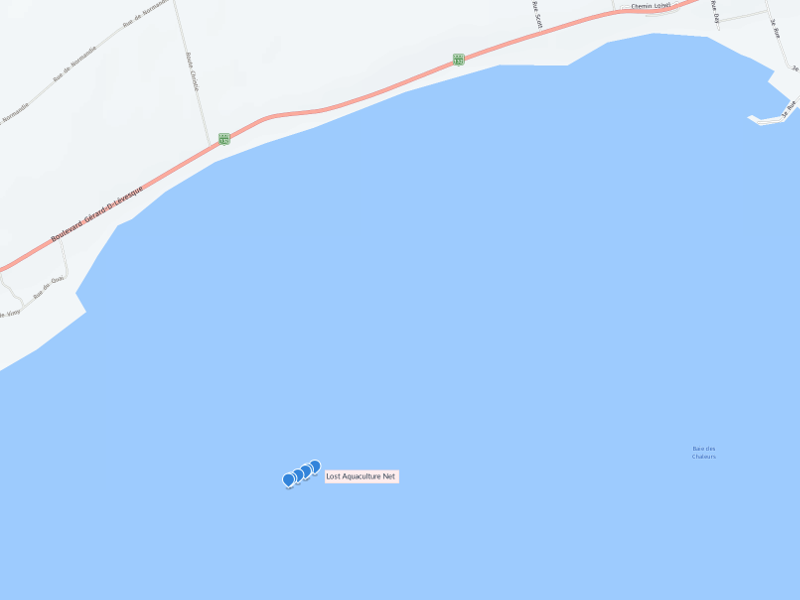
KML map of abandoned gear
Boilers from the SS Germanicus

Bridge footing

Sunken rowboat

Price
In the end, the fictional “Share House Day” of one-minute touch is a mirror held up to contemporary society. We live in an era of digital connection but tactile starvation. We have emojis for hugs but no one to give them to. The share house, with its transient population and makeshift families, is the perfect stage for this drama. It is a place where people are close enough to hear each other cry through the wall, yet far enough away to pretend they didn’t. To allow that one minute of touch is to tear down that pretense. It is to say: I see you. I acknowledge your physical existence. And for sixty seconds, I will not be afraid of you, and I will not make you afraid of me.
First, the phrase itself is a masterpiece of conditional vulnerability. “Just one minute” implies a temporary suspension of the self’s fortress walls. In a share house, where personal space is often reduced to the dimensions of a single bed or a designated shelf in the refrigerator, residents develop sophisticated rituals of avoidance. They learn to listen for the creak of a floorboard before exiting their room, to time their kitchen visits to avoid awkward encounters, and to offer verbal kindnesses while maintaining a physical chasm. The offer of touch—even for sixty seconds—shatters this choreography. It acknowledges that despite the shared TV and the shared rent, a deeper loneliness persists. It admits that we can know someone’s sleep schedule or their preference for milk in their coffee, yet remain utterly ignorant of the warmth of their hand. This hypothetical day becomes an antidote to what sociologists call “crowded loneliness.” 1-punkan Dake Furete Mo Ii Yo Share House No Hi...
Whether such a day could ever exist without awkwardness or pain is debatable. But the beauty of the concept lies not in its feasibility, but in its yearning. It reminds us that beneath the noise of shared Wi-Fi passwords and arguments over the thermostat, the residents of a share house are simply people searching for a safe place to land—not just in a room, but in another person’s arms. And sometimes, one minute is more than enough time to find home. In the end, the fictional “Share House Day”