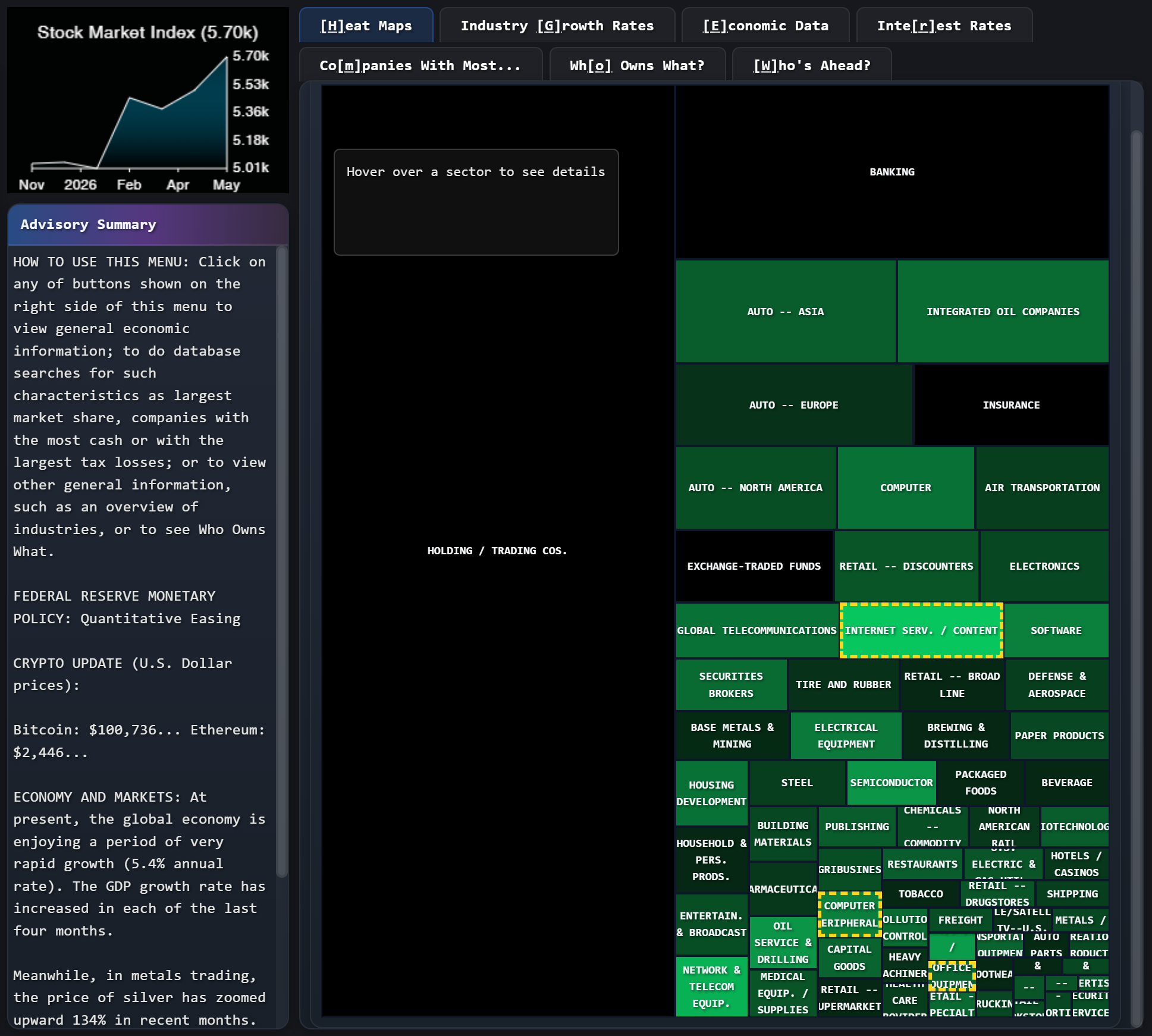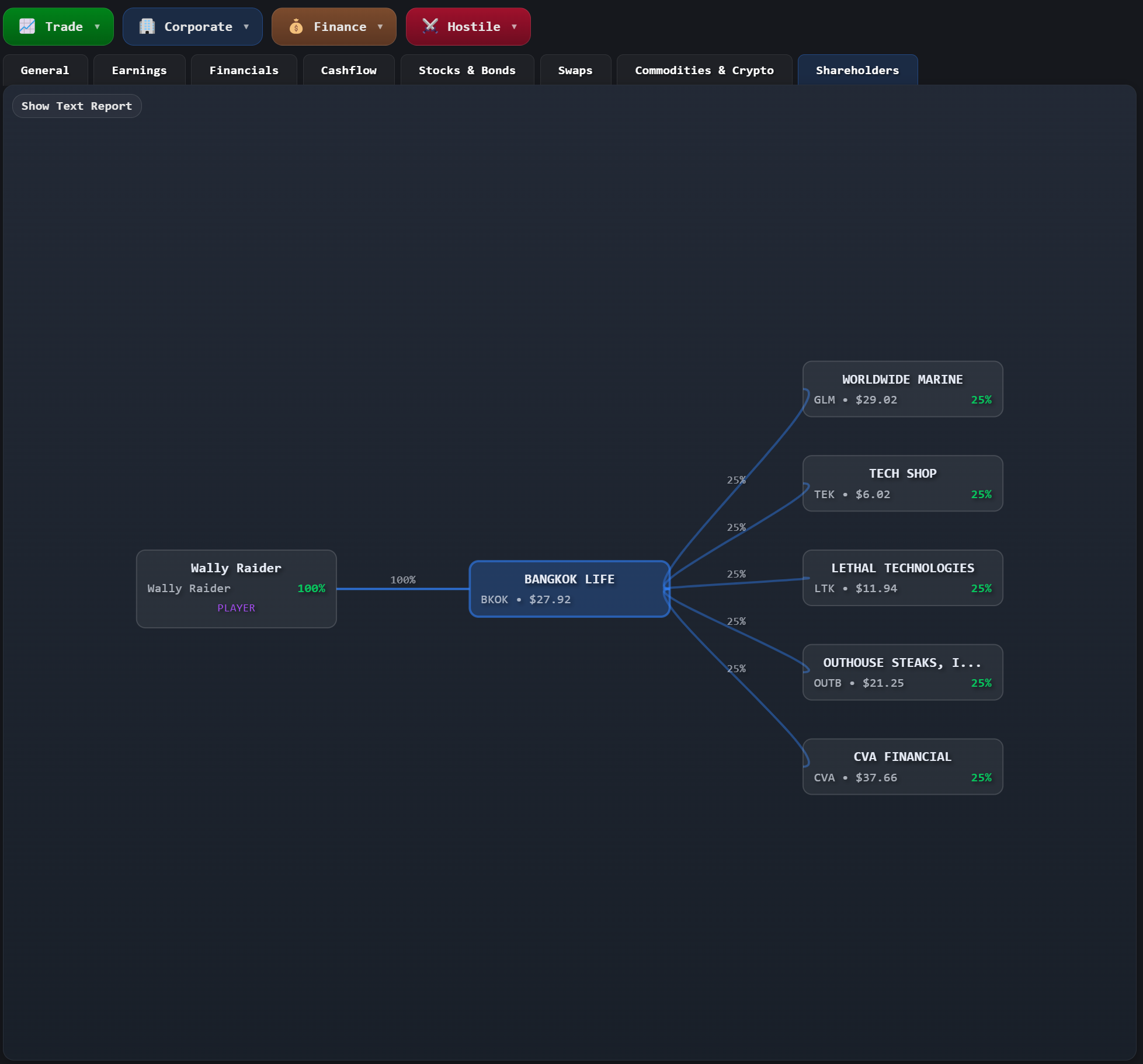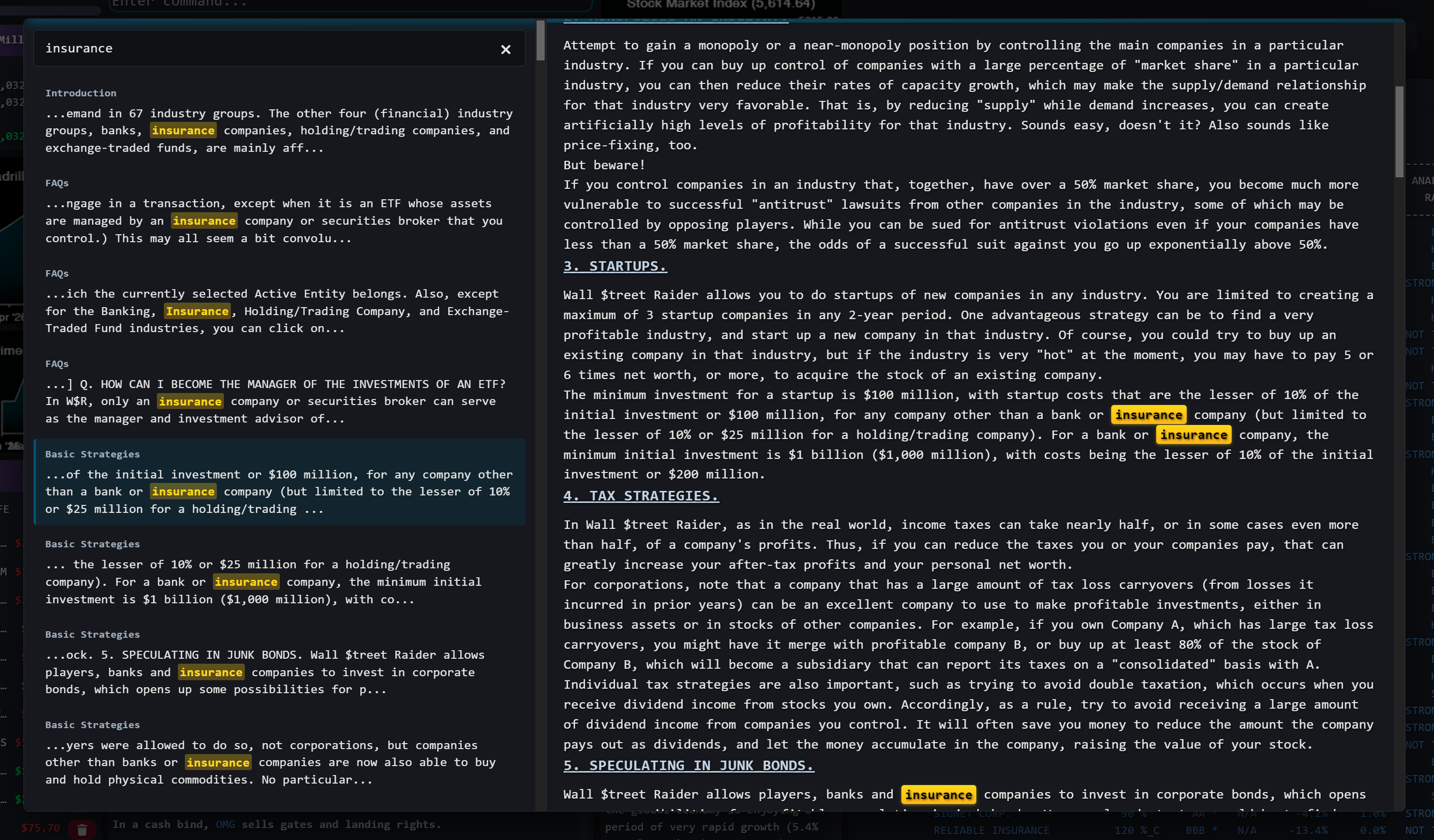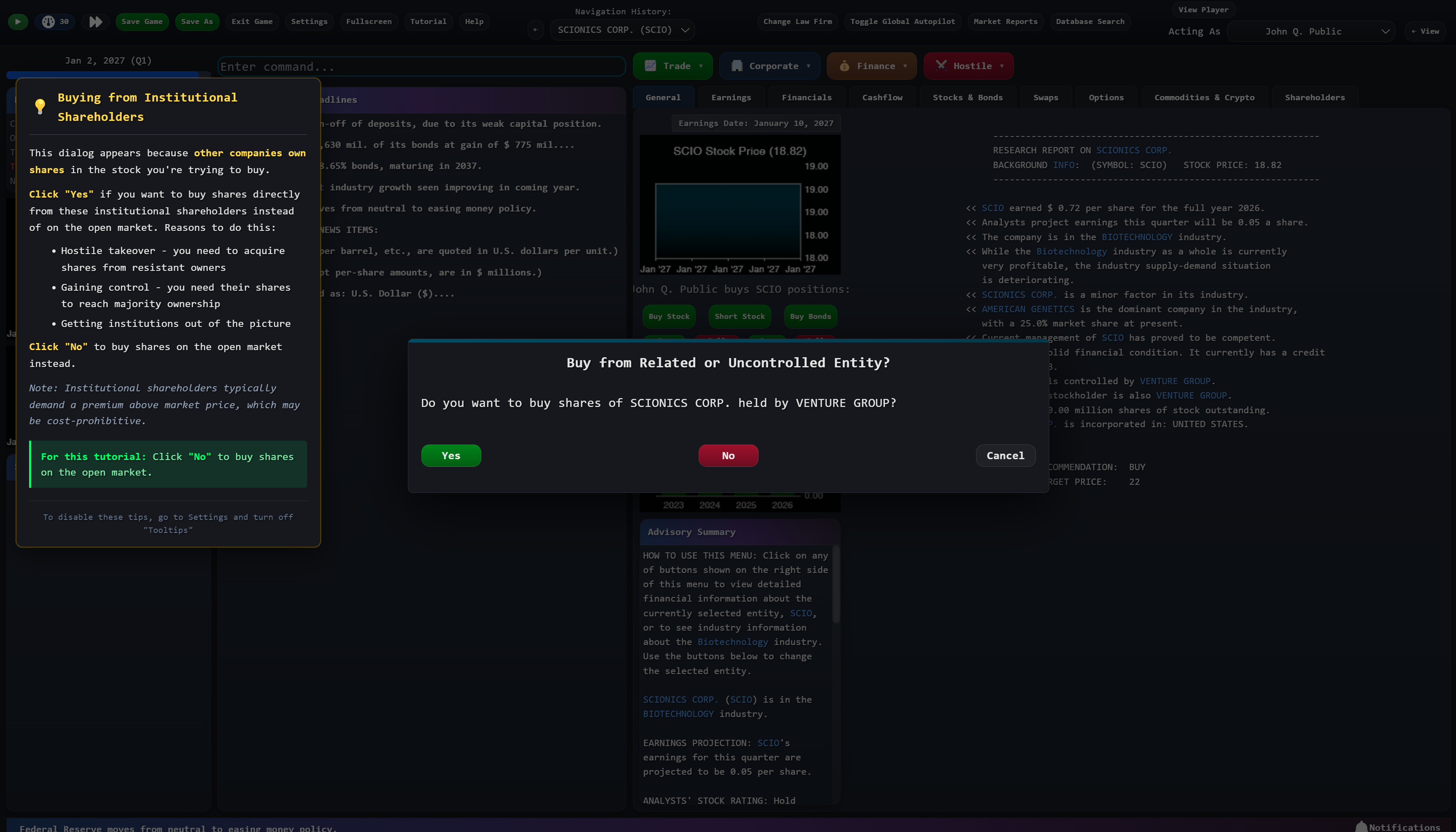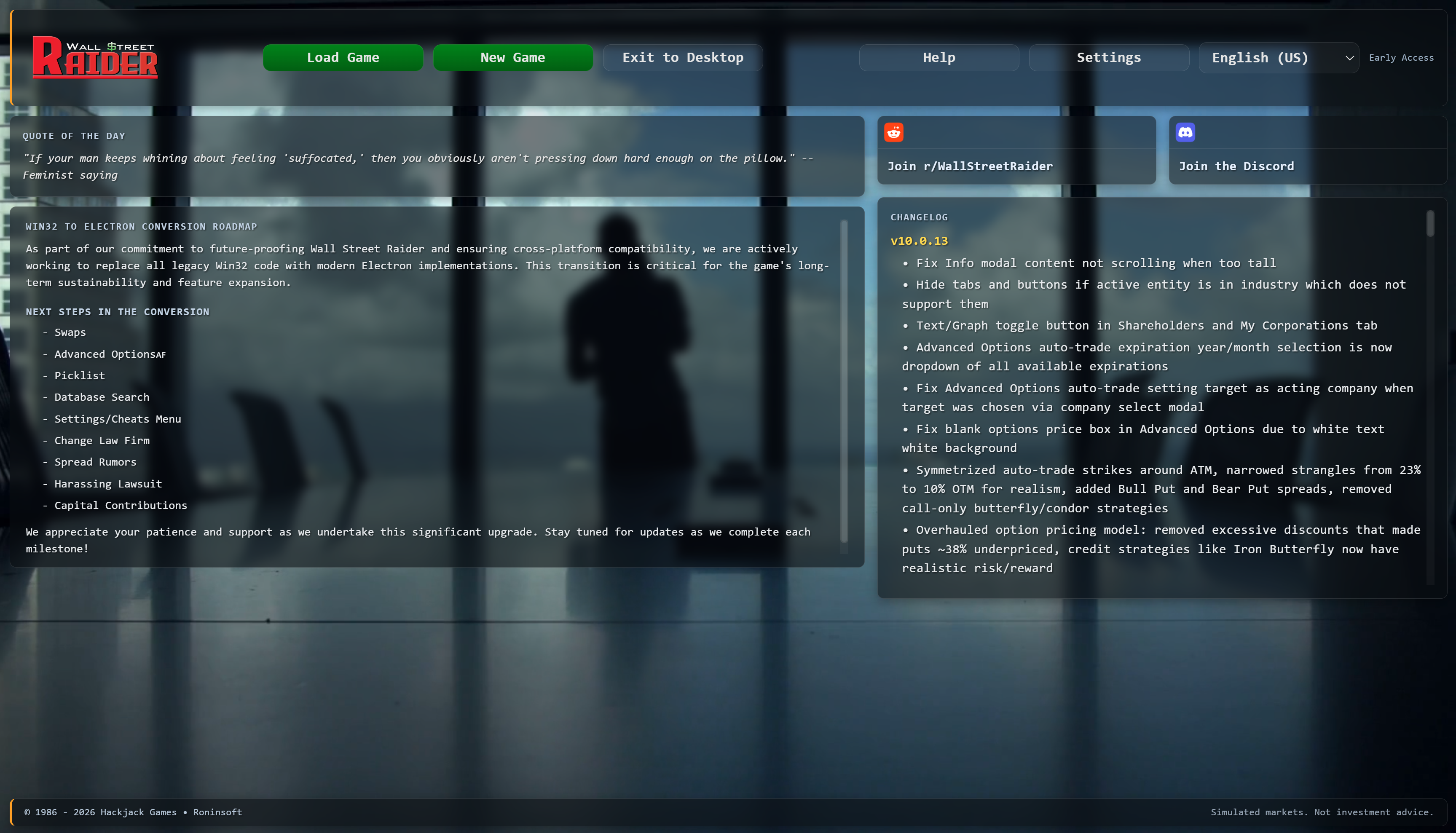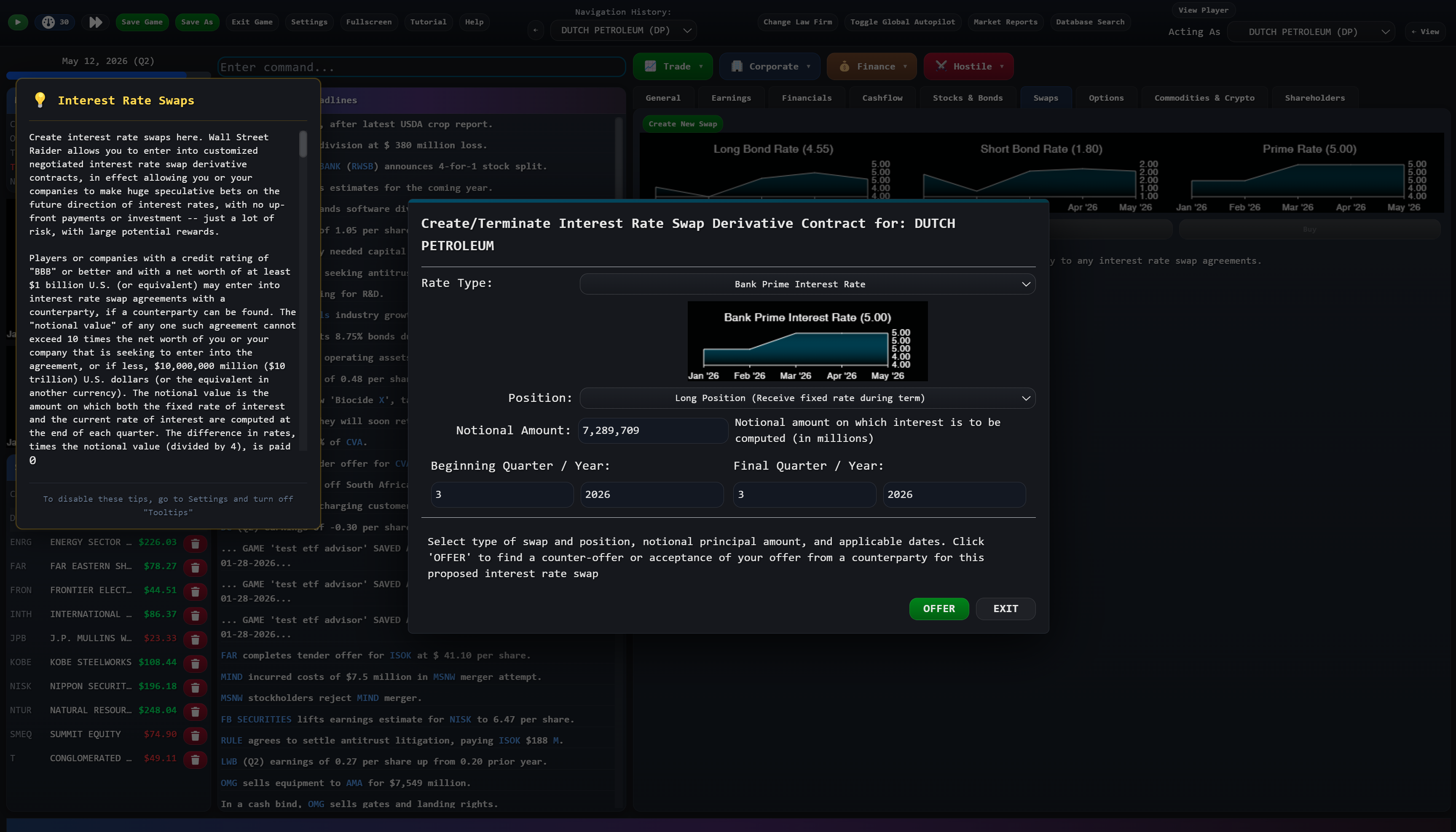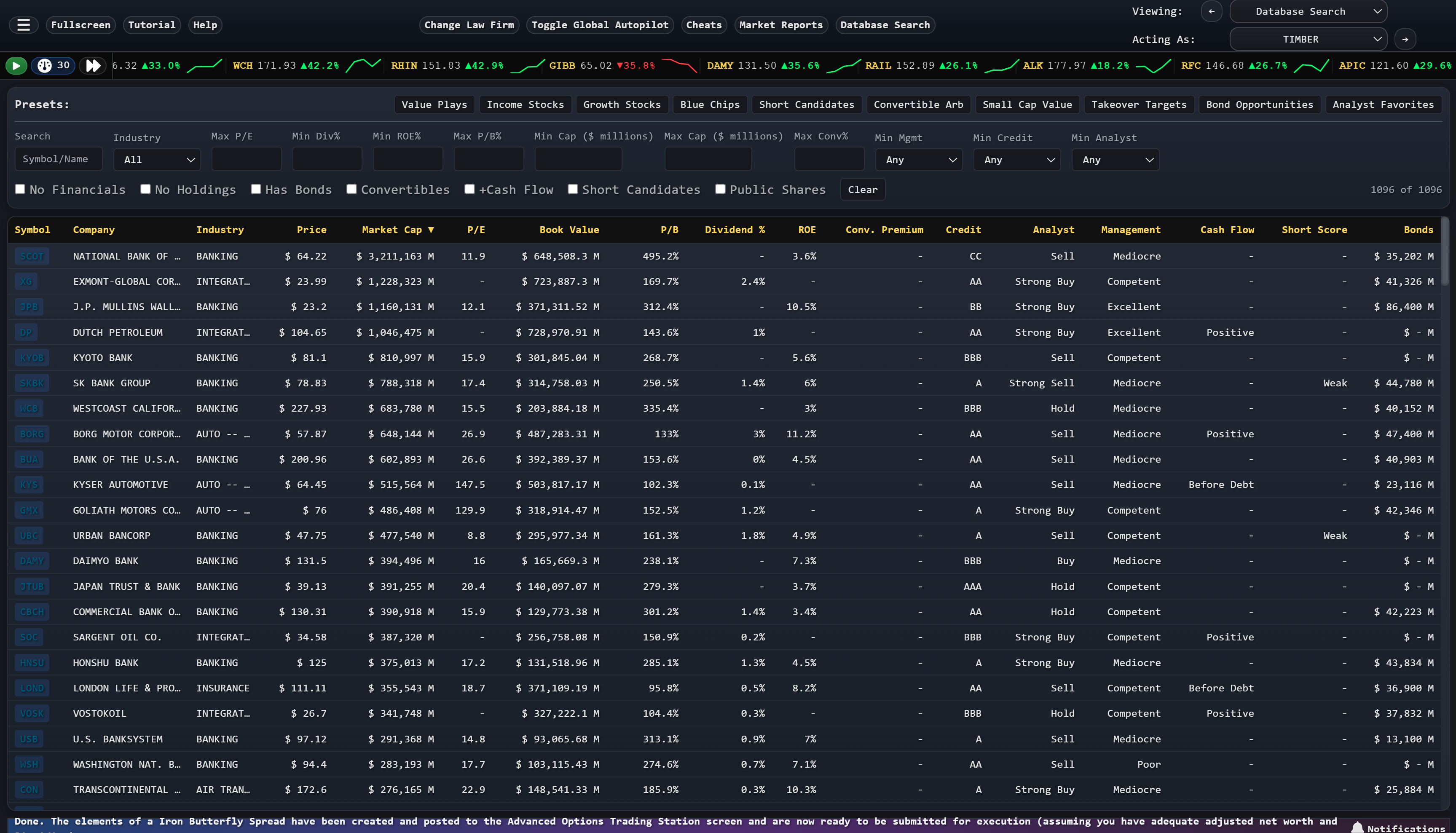
Wall Street Raider game dashboard

Since 1986 • 40 years of continuous development

Akruti 6.0 Indian Language Software Download Page

The most comprehensive financial simulation ever made. Trade stocks, bonds, options, futures, and more across 1,600 simulated companies. Now remastered for Steam.
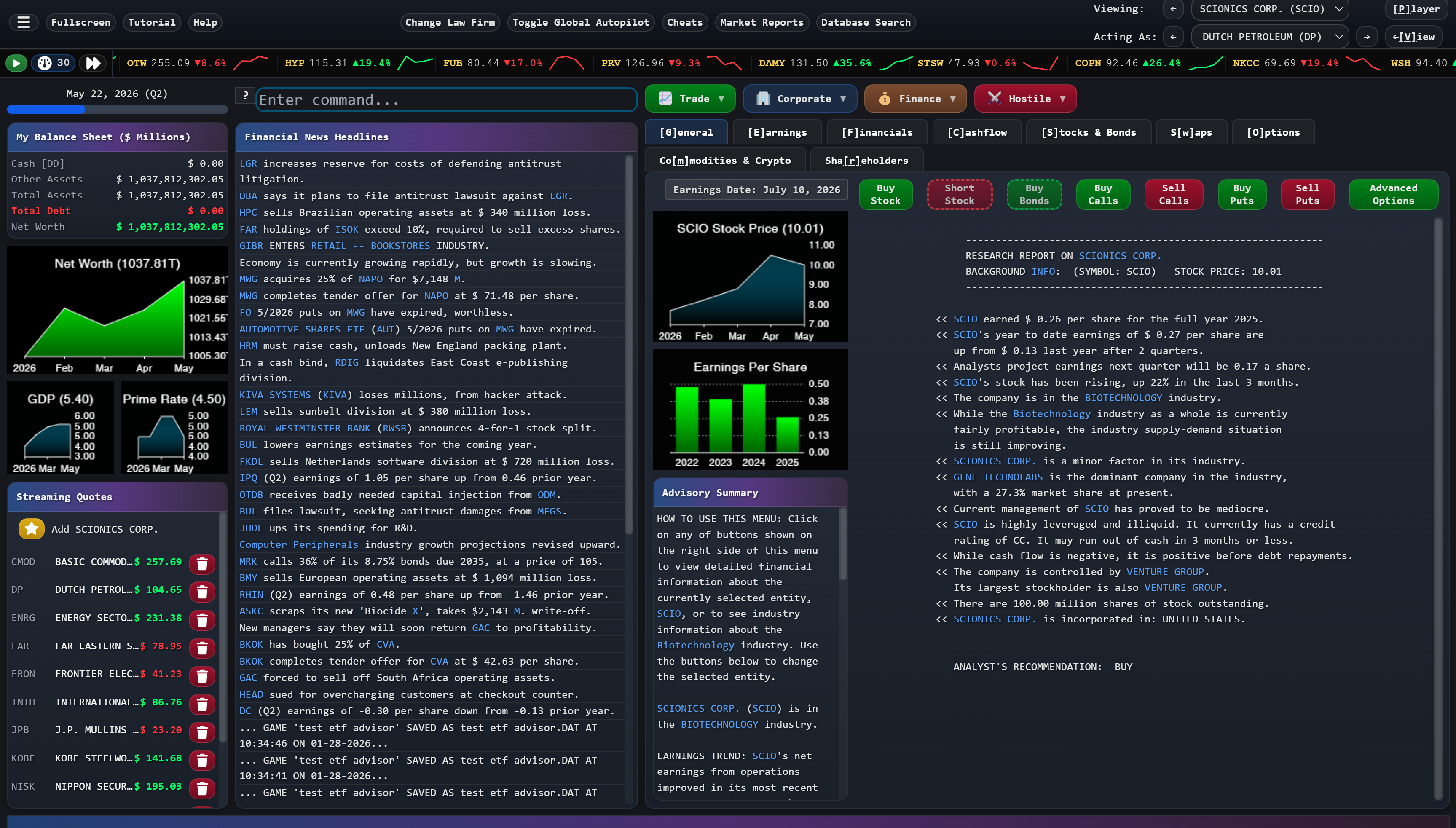
Wall Street Raider main terminal - live stock quotes, financial news, earnings charts, research reports, and analyst summaries

Akruti 6.0 Indian Language Software Download Page

Introduction In the annals of Indian computing, the 1990s and early 2000s represent a transformative era—a time when digital tools began to break the linguistic hegemony of English. Before the advent of Unicode and sophisticated input method editors (IMEs), typing in scripts like Devanagari (Hindi, Marathi, Sanskrit), Gujarati, Punjabi, or Tamil was a formidable challenge. Among the pioneering solutions that bridged this gap, Akruti 6.0 , developed by Modi Script (later part of Cyber Media), stands out as a landmark. While largely obsolete today, understanding Akruti 6.0 is essential for appreciating the history of Indian language computing, accessing legacy documents, and understanding the non-Unicode workflows that still persist in some publishing houses and government offices. Historical Context and Technological Philosophy Akruti 6.0 emerged at a time when operating systems like Windows 95, 98, and Windows 2000 lacked native support for complex scripts. Indian languages require reordering of characters, conjuncts (half-forms), and diacritical marks—features that the Latin-centric font engines of the time could not handle. To circumvent these limitations, Akruti employed a non-Unicode, font-based encoding system . Each Akruti font had a proprietary mapping: pressing a key on the keyboard would not insert a standard Unicode character but a specific glyph (shape) in the font’s private area. This approach was ingenious for its time: it allowed real-time WYSIWYG (What You See Is What You Get) typing in applications like Microsoft Word or CorelDRAW, provided the correct font was used.

Screenshots

Changing Lives Since 1986

"An 'imaginative, stimulating' business simulation."
— Investors Business Daily (front page article)
"I've been playing your game since I was 13 years old. Couldn't even afford to buy the full version. So I played the two-year version for years and years. And it taught me so much that now I'm working for Morgan Stanley as a forex trader in Shanghai."
— Wall Street Raider player
"It's like the Dwarf Fortress or Aurora 4X of the stock market. There really is nothing like it on the market."
— Outsider Gaming
"I've seen the source code of the game and I still can't beat it."
— Ben Ward, Lead Developer (Steam remaster)

See Wall Street Raider In Action

40 Years. One Creator. Zero Formal Training.

In 1967, a Harvard Law student began filling notebooks with ideas for a corporate board game. In 1984, he taught himself to program in one night. By 1986, he'd retired from law to build what would become the most comprehensive financial simulation ever made. JP Morgan developers failed to modernize it. Disney game studios tried and gave up. Then a 29-year-old full-stack developer found it on Reddit.

Read the Full Story →

Become a Wall Street Baron

The most realistic Wall Street simulation ever made is coming to Steam.