





Cambridge Checkpoint Primary (REAL × 2026)
In response, CAIE maintains that the Checkpoint is designed to be an integrated part of the curriculum, not a driver of it. When used correctly, the diagnostic data should empower teachers to teach more effectively, not restrict them. The onus, therefore, lies with schools to use the assessment as one tool among many in a holistic educational framework.
What truly sets the Cambridge Checkpoint Primary apart from standardised, norm-referenced tests is its nature. The results are not simply a score or percentile rank. Instead, each learner receives a detailed score report that breaks down their performance into specific sub-skills or "strands" within each subject. For example, in Mathematics, a teacher can see at a glance whether a student excels in "geometry" but struggles with "data handling." In English, they can differentiate between strength in "reading for meaning" and weakness in "sentence structure." cambridge checkpoint primary
The Cambridge Checkpoint Primary is a sophisticated and valuable instrument in the modern educational landscape. It successfully balances the need for international benchmarking with the pedagogical imperative for diagnostic, actionable feedback. By providing a clear, detailed, and reliable map of a young learner's progress in the foundational subjects of English, Mathematics, and Science, it empowers teachers to tailor their instruction, guides students towards mastery, and reassures parents about the quality of their child's education. While the risk of curriculum narrowing remains a valid concern that requires vigilant school leadership, the fundamental purpose and design of the Checkpoint represent a significant step forward from purely summative, score-driven testing. Ultimately, the Cambridge Checkpoint Primary is most effective not as a final verdict, but as a detailed conversation starter about a child's learning journey—a diagnostic landmark that points the way forward, rather than a finish line that ends the race. In response, CAIE maintains that the Checkpoint is
In the increasingly interconnected world of education, the need for reliable, internationally benchmarked assessments at the primary level has never been more critical. The Cambridge Checkpoint Primary, developed by Cambridge Assessment International Education (CAIE), stands as a leading example of such an assessment. Far more than a simple end-of-year exam, the Cambridge Checkpoint Primary is a structured, diagnostic suite of tests designed to provide a comprehensive snapshot of a learner’s mastery of the core subjects—English, Mathematics, and Science—at the end of the Cambridge Primary stage (typically ages 5-11). Its primary purpose is not to rank or select students, but to act as a powerful feedback mechanism for learners, parents, and critically, teachers, guiding future learning and curriculum development. What truly sets the Cambridge Checkpoint Primary apart
However, the system is not without its criticisms. Some educators argue that any standardised testing, even a diagnostic one, can lead to a narrowing of the curriculum. Schools might feel pressure to "teach to the test," focusing disproportionately on the content and question formats that appear in the Checkpoint, potentially at the expense of broader skills like creativity, critical discussion, and extended project work. The primary focus on English, Maths, and Science can also inadvertently devalue other crucial areas of primary education, such as the arts, humanities, physical education, and social-emotional learning.
The advantages of the Cambridge Checkpoint Primary are substantial. It provides a smooth, structured transition to the Cambridge Lower Secondary programme, as the diagnostic data can directly inform starting points for the next stage. For schools, it offers an external, objective validation of their internal assessments and curriculum delivery. For students, it is a low-stakes introduction to formal external examinations, helping to build confidence and exam technique without the high-pressure consequences of a "gatekeeping" exam like a national high school entrance test.
SOFTWARE MODULAR
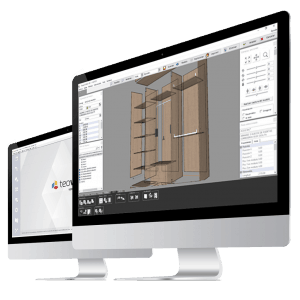
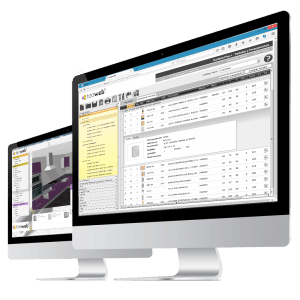
Los diferentes módulos de TeoWin se adaptarán de una forma sencilla a las necesidades de tu negocio.
SOFTWARE VANGUARDISTA
TeoWin es el software líder en el sector del mueble tanto en diseño como en fabricación.







 TeoWin y TeoLive: