Comentariu Literar La Poezia Tu De Grigore Vieru Apr 2026
Tu by Grigore Vieru is not a poem of resolution but one of enduring tension. Through its circular refrain, organic metaphors of branches and blossoms, and the haunting motif of the distant voice, Vieru captures the unique suffering of a love that exists only in the mind. The poem argues that true closeness is not measured in kilometers but in the intensity of inner experience. The lyrical voice does not overcome his pain; he simply learns to inhabit it, finding a bitter solace in the paradox that the one who is far away is, in the geography of the heart, the only one who is truly close.
Beyond sight, Vieru privileges the sense of hearing. The poem opens with an auditory plea: „Tu, care-mi ești așa de-aproape, / De-ți aud glasul în fereastră” („You, who are so close to me, / That I hear your voice in the window”). The voice becomes a haunting, disembodied presence. The speaker does not see the beloved’s face or feel their touch; he only hears a phantom voice carried by the wind or memory. This auditory hallucination intensifies the feeling of absence. The voice is a proof of existence, yet it is untethered from the body, reinforcing the tragedy of the refrain: the beloved is close enough to be heard but too far to be held. comentariu literar la poezia tu de grigore vieru
The most powerful image arrives in the final stanza: „Și parcă plângi, și parcă râzi – / O, zi-i tăcerii mele, crengii” („And you seem to cry, and you seem to laugh – / Oh, tell my silence, my branch”). Here, the beloved’s face is refracted through the speaker’s own emotional instability. The apostrophe to the branch—the very symbol of failed union—reveals a deep loneliness. The speaker is left speaking to a mute natural object, asking it to convey his silence. This is the ultimate paradox of the poem: the beloved’s presence is so strong that the speaker can no longer find his own voice, only a silence that he anthropomorphizes and addresses as a confidant. Tu by Grigore Vieru is not a poem
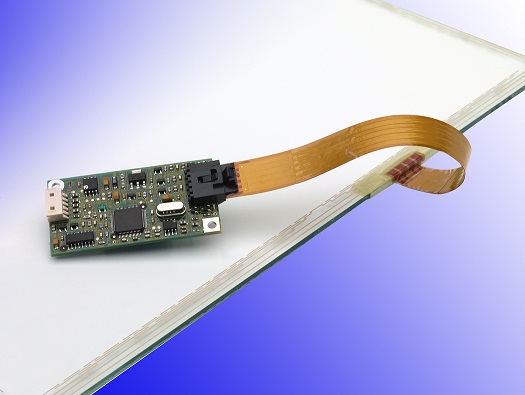 Touch Screen Sensor
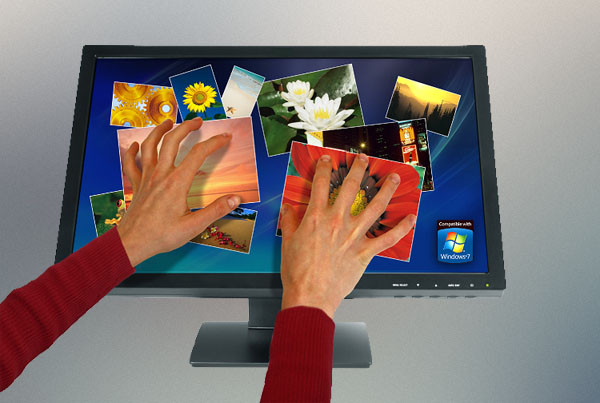 Touch Screen Monitor
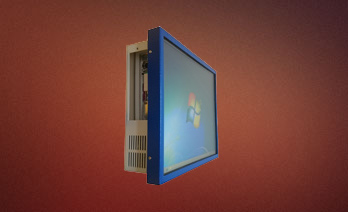 Touch Computer
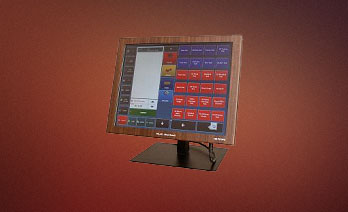 Speciality Display
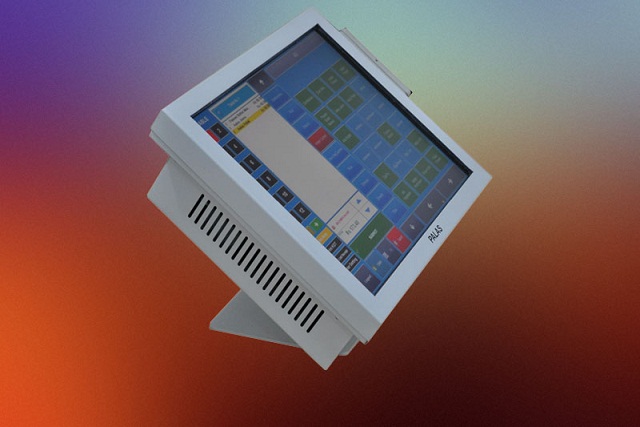 POS System
 Self Ordering System
 Self Service Patient Registration
 Self Service Employee
 Digital Signage
 Software for Factories
 HR Software
 Value Series
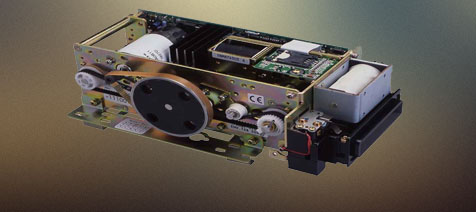 Smartcard Reader
 Thermal Printers
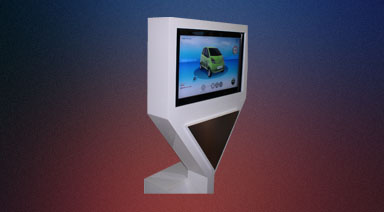 Retail Solution
 Industrial software
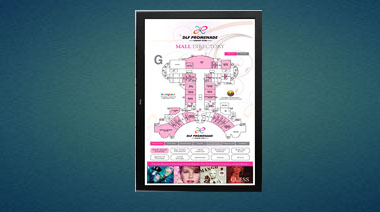 Digital Signage
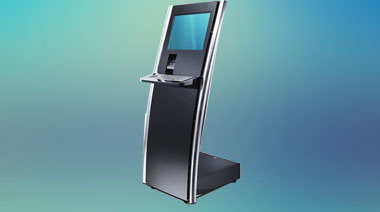 Kiosk
Kiosk
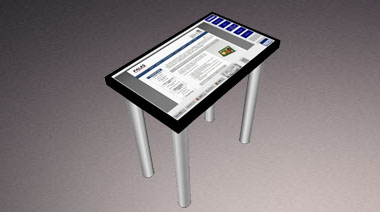 Touch Table