Icom Ic-f110 Programming Software Apr 2026
In conclusion, the Icom IC-F110 programming software is not merely a utility; it is a time capsule. It embodies the transition of LMR radios from field-programmable analog devices to computer-dependent tools, prioritizing security and control over user convenience. Successfully programming an IC-F110 today requires a blend of vintage computing patience, careful software sourcing, and methodical cable crafting. Yet for those who overcome these hurdles, the reward is a durable, high-performance VHF transceiver that continues to serve reliably, decades after it first left the factory—a silent testament to the software that gave it a voice.
Acquiring the correct software for the IC-F110 presents the first significant challenge. Icom, like other LMR manufacturers, traditionally distributed CPS only to authorized dealers and service shops. The official part number is often CS-F110, though later universal clones like CS-F3000 may also support it with the correct firmware version. Today, legitimate copies are difficult to find as the radio is long discontinued. Consequently, many users turn to archived versions on hobbyist forums, used equipment dealers, or less official online sources. Caution is paramount: older DOS-based versions (e.g., for the IC-F110’s original release era) require specific legacy hardware, while Windows versions (e.g., 95/98/XP) can be unstable on modern 64-bit systems. There is no official Icom version for Windows 10 or 11. Users must verify that the software matches both the radio’s firmware version and their intended operating system, as mismatches can lead to corrupted codeplug data or a bricked radio. icom ic-f110 programming software
The primary function of the Icom IC-F110 programming software is to configure the radio’s channelized memory. Unlike amateur radios that allow on-the-fly frequency changes, the IC-F110 operates on pre-defined channels. Using the software, an operator can assign each channel a transmit and receive frequency (within the radio’s VHF range), a transmit power level (typically high or low), a signaling type (such as CTCSS tones or DCS codes for selective calling), and various bandwidth and squelch settings. Beyond basic channel data, the software unlocks deeper configuration options: scan lists, priority channels, time-out timers, busy channel lockout, and even personality settings for external accessories like microphones or siren/PA systems. Without this software, the radio is effectively a locked black box, usable only on its last-programmed settings. In conclusion, the Icom IC-F110 programming software is
The hardware interface is equally critical. The IC-F110 uses a multi-pin accessory connector on its rear panel, not the more common microphone jack found on amateur radios. The official programming cable (e.g., OPC-478 or a clone) converts the radio’s TTL-level serial signals to RS-232 for a computer’s COM port. Because modern laptops lack DB9 serial ports, this typically requires a chain of adapters: USB-to-serial (with a genuine FTDI chip for reliability), then a serial-to-TTL converter that matches the Icom’s pinout. Some aftermarket cables integrate both conversions into a single USB device. However, timing issues are common; the IC-F110 expects precise communication timing, and cheap USB adapters often introduce errors. For the most reliable results, many enthusiasts resurrect an old laptop running native DOS or Windows 98 with a built-in serial port—a testament to the challenges of maintaining legacy radio systems. Yet for those who overcome these hurdles, the
For the modern user, the IC-F110 programming software represents a fascinating paradox. On one hand, it is an obsolete tool—designed for operating systems that have been out of support for decades, requiring specialized hardware and legacy knowledge. On the other hand, it is the indispensable key to unlocking a radio that remains physically robust and perfectly usable for applications like GMRS (with proper licensing), marine monitoring, fire department secondary channels, or off-road vehicle communication. The difficulty of programming acts as a natural filter, ensuring that only dedicated users who understand frequency, tone, and regulatory compliance can put the radio on the air.
The programming process itself, once the environment is correctly set up, is straightforward. The user launches the software, selects the correct COM port, reads the existing codeplug from the radio (saving a backup copy), modifies the channel table or settings in a spreadsheet-like interface, and then writes the new configuration back to the radio’s EEPROM. A critical best practice is to always read and save the existing configuration before making any changes. Because the software offers no “undo” function and many parameters are interdependent (e.g., changing a channel’s signaling may affect scan list behavior), an accidental misconfiguration can disable the radio. After writing, the radio must often be power-cycled to load the new settings.
The Icom IC-F110 is a robust, no-frills mobile transceiver that has long been a staple in commercial, public safety, and industrial communications. Designed primarily for the VHF band, its reputation rests on reliable performance, durable construction, and clear audio. However, like virtually all professional-grade Land Mobile Radio (LMR) equipment from its era, the IC-F110 is not front-panel programmable for its core operating parameters. Instead, it requires dedicated programming software (often abbreviated as CPS, or Cloning Programming Software), a specific interface cable, and a legacy computing environment. Understanding the role, acquisition, and use of this software is essential for anyone looking to deploy, maintain, or repurpose this venerable radio.
IP Power/IP PDU,Module
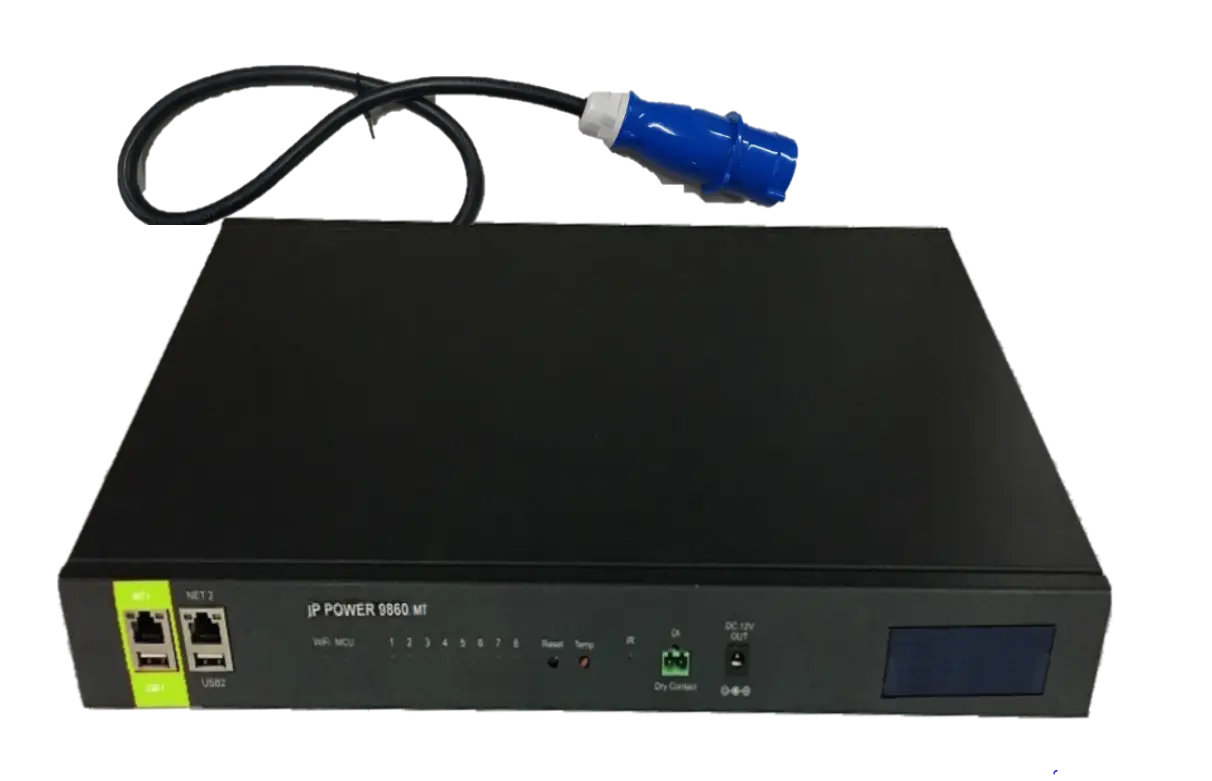
- 9860MT
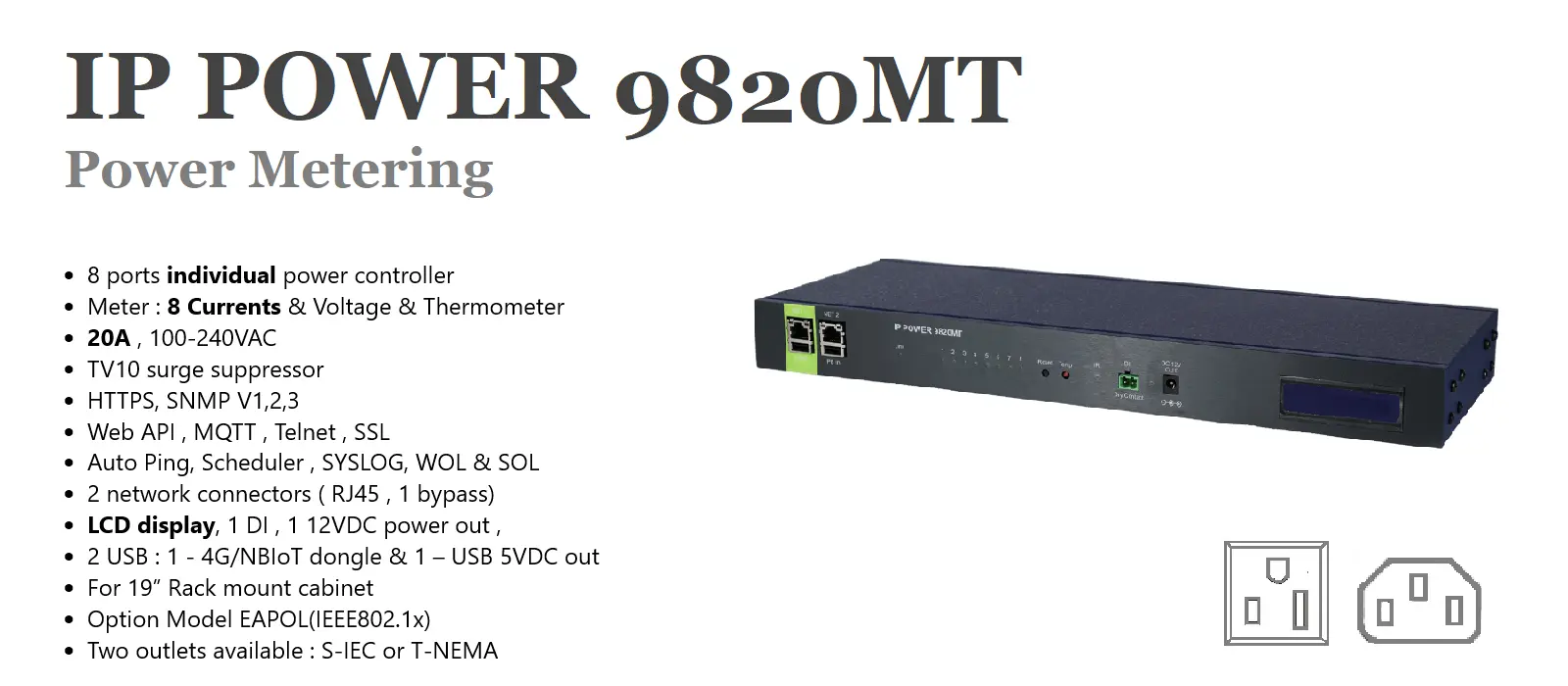
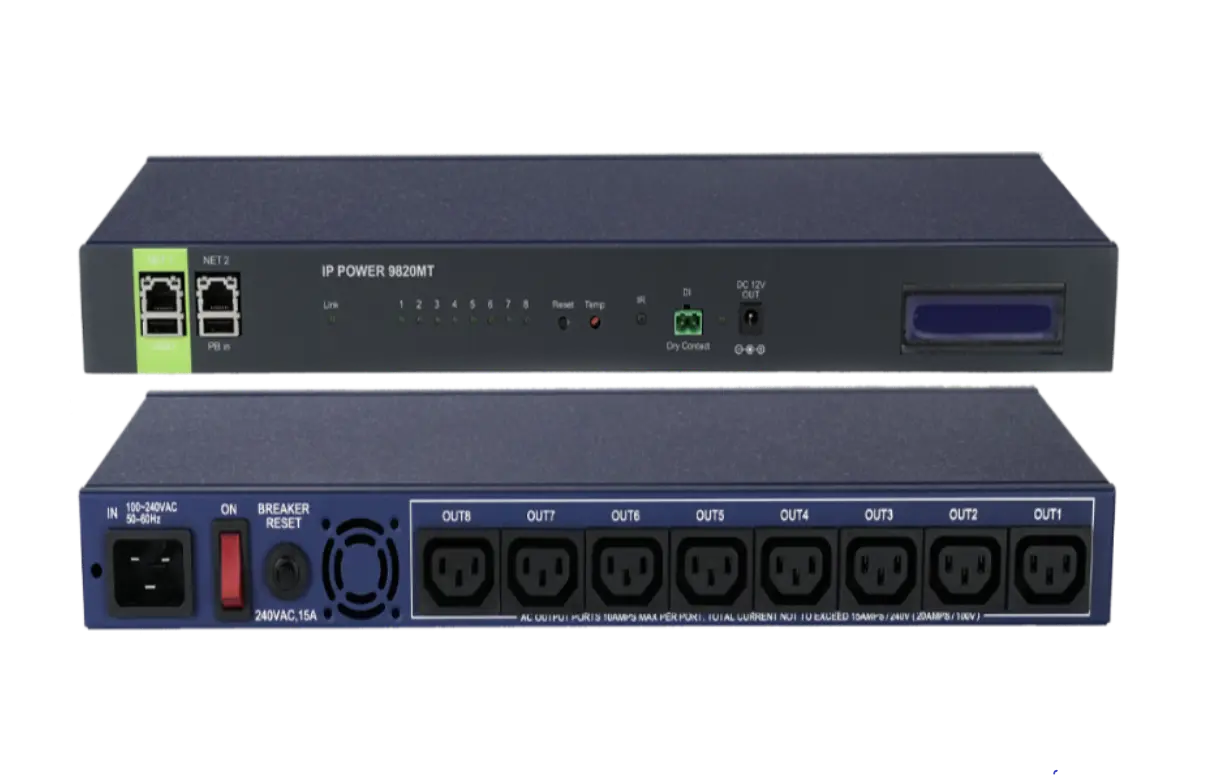
- 9820MT
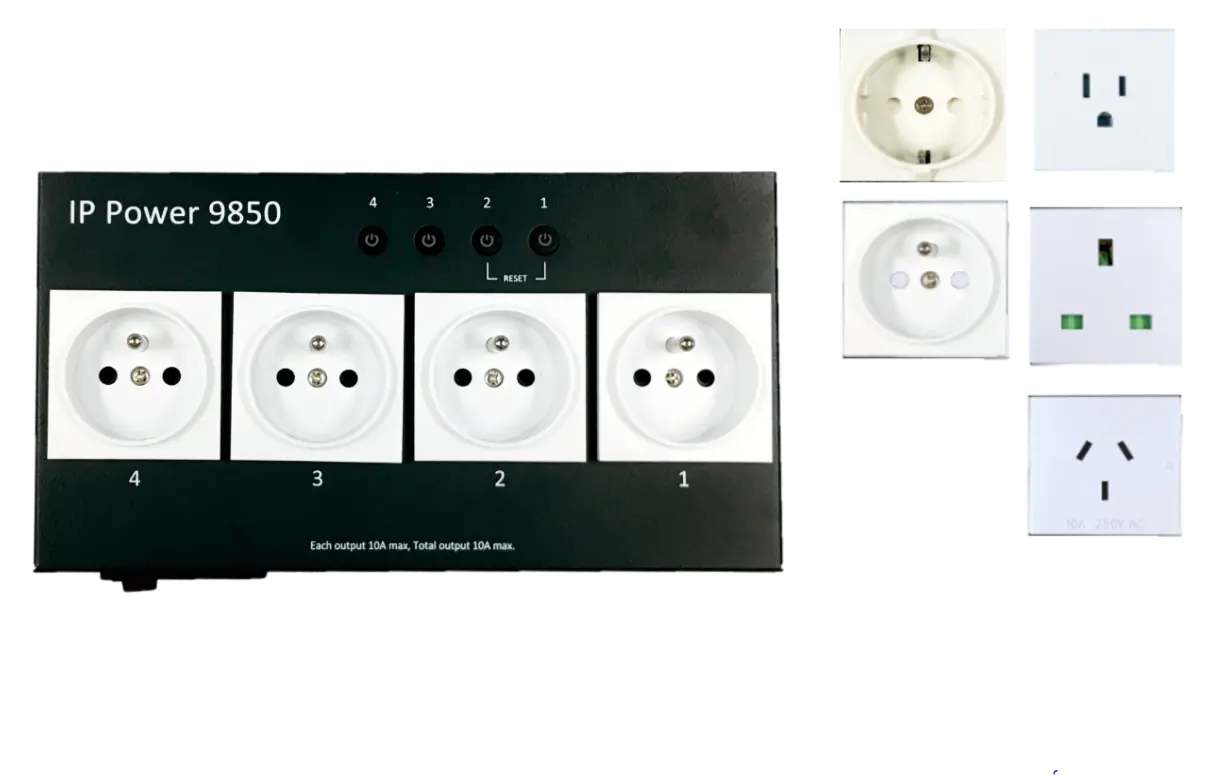
- 9850
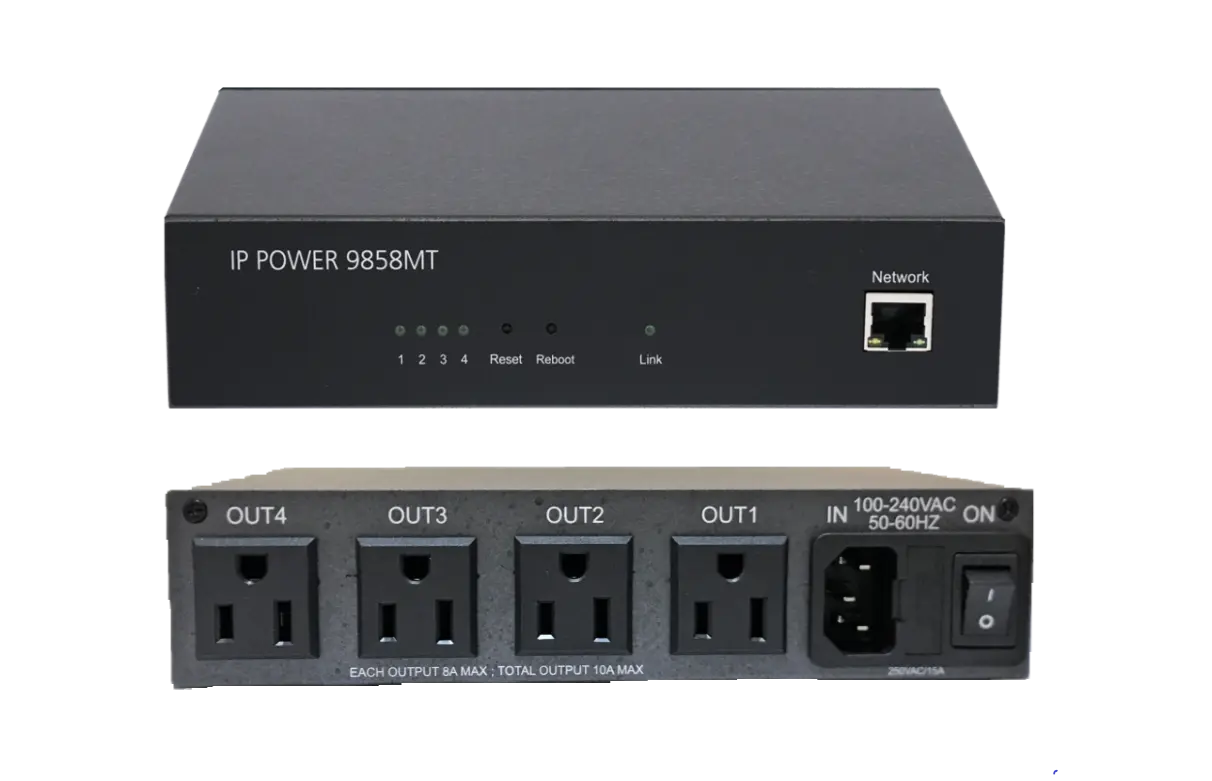
- 9858MT
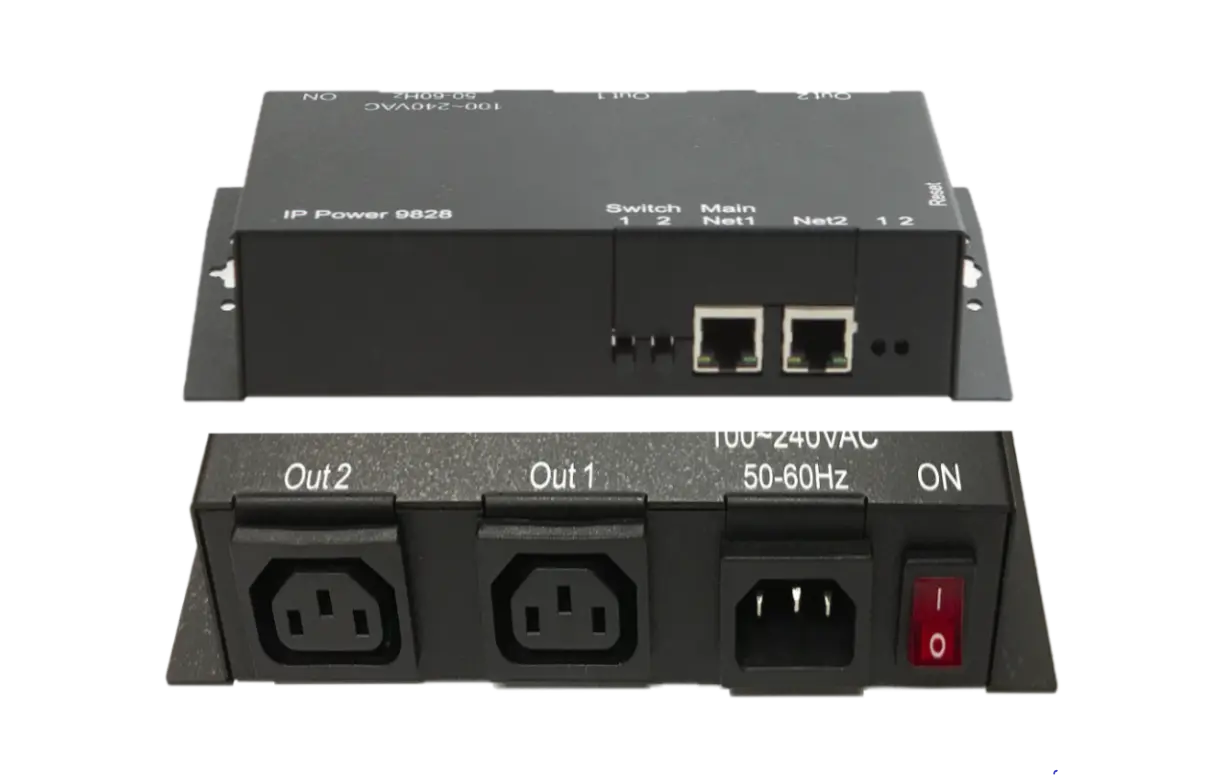
- 9828-P
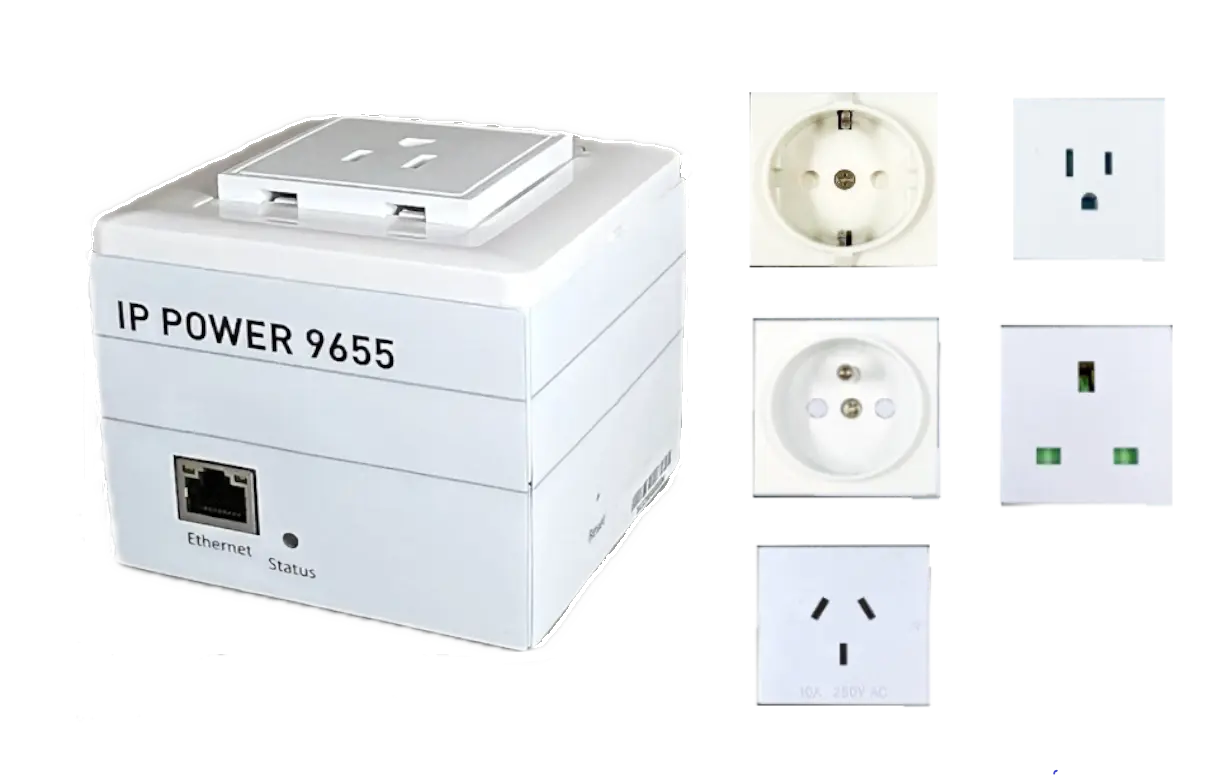
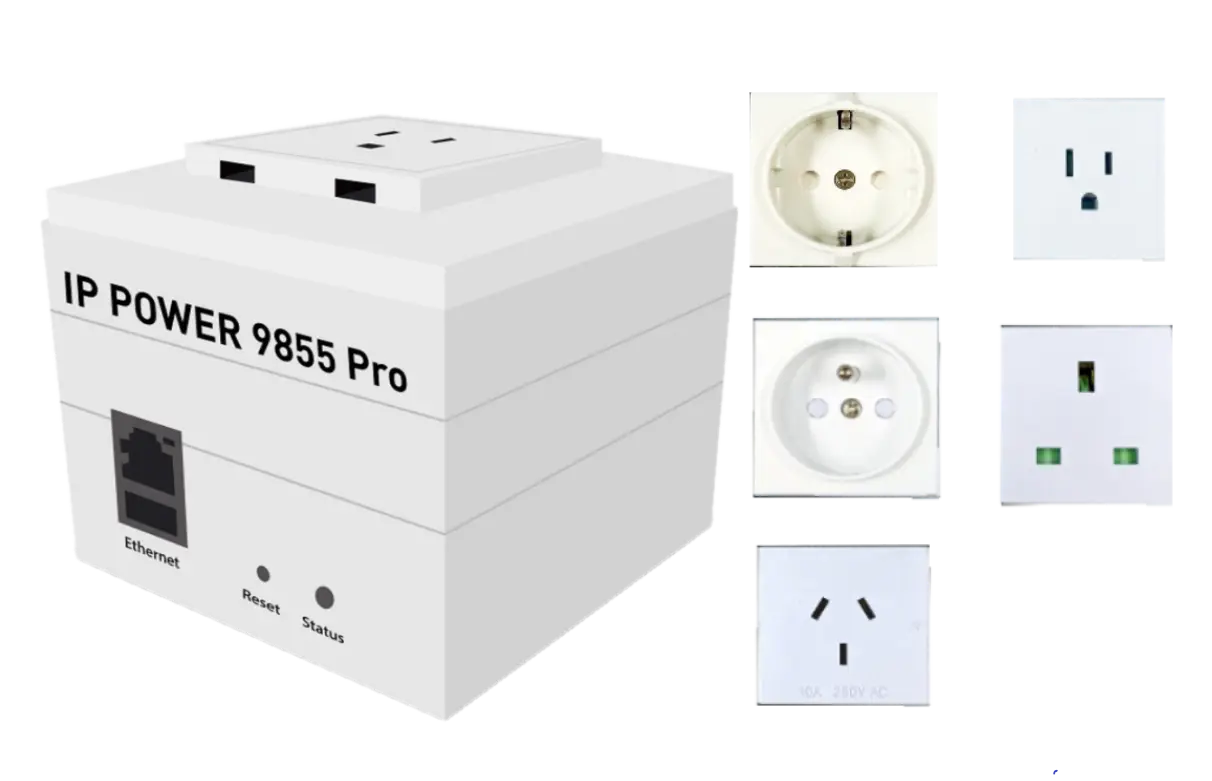
- 9855
- 9855 PRO
- 9825
ODM product
C1040 - 40A
9858WP Waterproof design
9858WP-32A Waterproof design
250VAC 30A Relay wireless cloud controller
24-380VAC 40A SSR wireless cloud controller
440VAC 40A 3way contacter wireless cloud controller
In conclusion, the Icom IC-F110 programming software is not merely a utility; it is a time capsule. It embodies the transition of LMR radios from field-programmable analog devices to computer-dependent tools, prioritizing security and control over user convenience. Successfully programming an IC-F110 today requires a blend of vintage computing patience, careful software sourcing, and methodical cable crafting. Yet for those who overcome these hurdles, the reward is a durable, high-performance VHF transceiver that continues to serve reliably, decades after it first left the factory—a silent testament to the software that gave it a voice.
Acquiring the correct software for the IC-F110 presents the first significant challenge. Icom, like other LMR manufacturers, traditionally distributed CPS only to authorized dealers and service shops. The official part number is often CS-F110, though later universal clones like CS-F3000 may also support it with the correct firmware version. Today, legitimate copies are difficult to find as the radio is long discontinued. Consequently, many users turn to archived versions on hobbyist forums, used equipment dealers, or less official online sources. Caution is paramount: older DOS-based versions (e.g., for the IC-F110’s original release era) require specific legacy hardware, while Windows versions (e.g., 95/98/XP) can be unstable on modern 64-bit systems. There is no official Icom version for Windows 10 or 11. Users must verify that the software matches both the radio’s firmware version and their intended operating system, as mismatches can lead to corrupted codeplug data or a bricked radio.
The primary function of the Icom IC-F110 programming software is to configure the radio’s channelized memory. Unlike amateur radios that allow on-the-fly frequency changes, the IC-F110 operates on pre-defined channels. Using the software, an operator can assign each channel a transmit and receive frequency (within the radio’s VHF range), a transmit power level (typically high or low), a signaling type (such as CTCSS tones or DCS codes for selective calling), and various bandwidth and squelch settings. Beyond basic channel data, the software unlocks deeper configuration options: scan lists, priority channels, time-out timers, busy channel lockout, and even personality settings for external accessories like microphones or siren/PA systems. Without this software, the radio is effectively a locked black box, usable only on its last-programmed settings.
The hardware interface is equally critical. The IC-F110 uses a multi-pin accessory connector on its rear panel, not the more common microphone jack found on amateur radios. The official programming cable (e.g., OPC-478 or a clone) converts the radio’s TTL-level serial signals to RS-232 for a computer’s COM port. Because modern laptops lack DB9 serial ports, this typically requires a chain of adapters: USB-to-serial (with a genuine FTDI chip for reliability), then a serial-to-TTL converter that matches the Icom’s pinout. Some aftermarket cables integrate both conversions into a single USB device. However, timing issues are common; the IC-F110 expects precise communication timing, and cheap USB adapters often introduce errors. For the most reliable results, many enthusiasts resurrect an old laptop running native DOS or Windows 98 with a built-in serial port—a testament to the challenges of maintaining legacy radio systems.
For the modern user, the IC-F110 programming software represents a fascinating paradox. On one hand, it is an obsolete tool—designed for operating systems that have been out of support for decades, requiring specialized hardware and legacy knowledge. On the other hand, it is the indispensable key to unlocking a radio that remains physically robust and perfectly usable for applications like GMRS (with proper licensing), marine monitoring, fire department secondary channels, or off-road vehicle communication. The difficulty of programming acts as a natural filter, ensuring that only dedicated users who understand frequency, tone, and regulatory compliance can put the radio on the air.
The programming process itself, once the environment is correctly set up, is straightforward. The user launches the software, selects the correct COM port, reads the existing codeplug from the radio (saving a backup copy), modifies the channel table or settings in a spreadsheet-like interface, and then writes the new configuration back to the radio’s EEPROM. A critical best practice is to always read and save the existing configuration before making any changes. Because the software offers no “undo” function and many parameters are interdependent (e.g., changing a channel’s signaling may affect scan list behavior), an accidental misconfiguration can disable the radio. After writing, the radio must often be power-cycled to load the new settings.
The Icom IC-F110 is a robust, no-frills mobile transceiver that has long been a staple in commercial, public safety, and industrial communications. Designed primarily for the VHF band, its reputation rests on reliable performance, durable construction, and clear audio. However, like virtually all professional-grade Land Mobile Radio (LMR) equipment from its era, the IC-F110 is not front-panel programmable for its core operating parameters. Instead, it requires dedicated programming software (often abbreviated as CPS, or Cloning Programming Software), a specific interface cable, and a legacy computing environment. Understanding the role, acquisition, and use of this software is essential for anyone looking to deploy, maintain, or repurpose this venerable radio.
About us
News
Events
Milestone
Contact us
Add Line
Youtube
𝕏 X(Twitter)