Bolid Application
Impostora Vietsub Direct
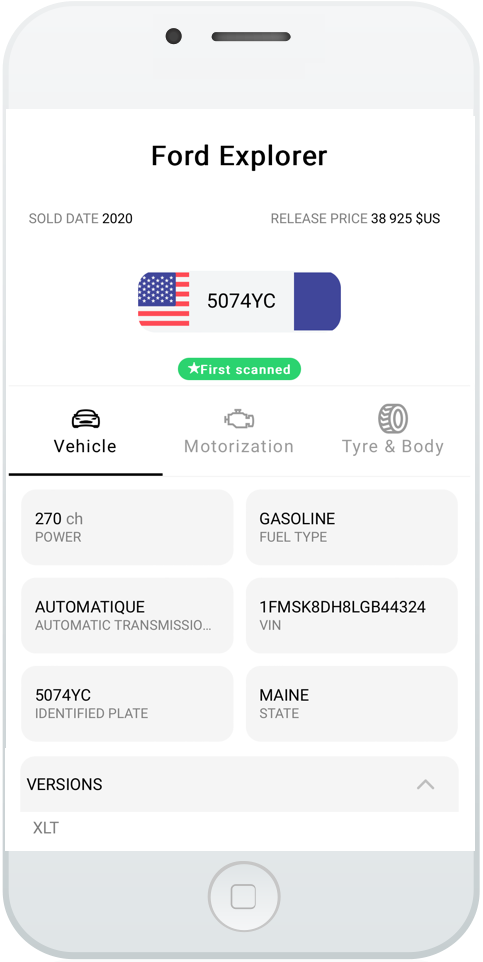
Available for iOS and Android, this app is dedicated to automobiles and will be very useful for identifying the features of any vehicle! From a photo or a license plate, Bolid allows you to check a vehicle's technical data in just a few seconds:
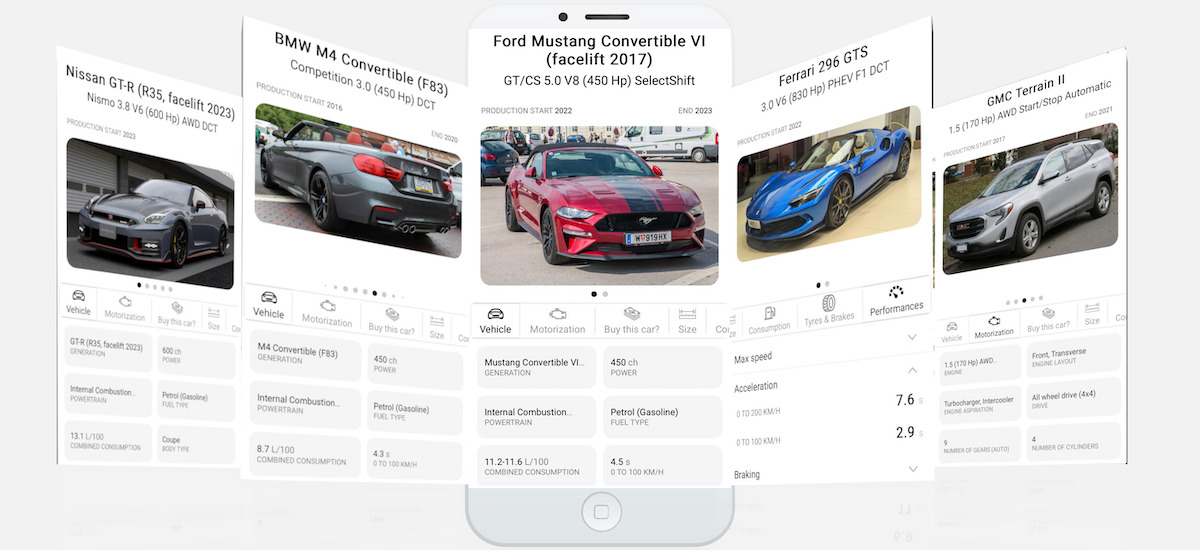
The app also contains technical specifications and performances of over 50,000 registered vehicles! Find rankings of cars by performance category (0 to 100 km/h, 0 to 200 km/h, etc.)
With a photo, get all the information (model, year, price...) of a vehicle.
Verify the model when purchasing a used vehicle.
Search your cars among thousands of automobile references.
Display rankings of vehicle performances.
Capture exceptional rare models.
Explore thousands of models from 1930 to the present day.
Nhìn lại, Impostora không phải là một tác phẩm nghệ thuật vĩ đại. Cốt truyện lặp lại, cao trào dễ đoán. Nhưng bản lồng tiếng Việt là một kiệt tác của chuyển ngữ văn hóa. Nó chứng minh rằng một câu chuyện về kẻ nói dối có thể trở thành tấm gương trung thực nhất cho những khát khao bị kìm nén của cả một thế hệ. Trong một khoảnh khắc ngắn ngủi, huy hoàng, Việt Nam đã quên rằng diễn viên đang nói tiếng Tagalog. Họ đang nói tiếng Việt. Họ là kẻ mạo danh của chúng ta.
Vậy tại sao “kẻ mạo danh” đặc biệt này lại ăn sâu vào lòng khán giả Việt đến vậy? impostora vietsub
In the golden age of stolen television—when antennas crackled and families huddled around boxy CRT screens—Southeast Asia shared a secret language. It wasn't English or Mandarin. It was the voice of the local dubber. For Vietnamese audiences of the early 2010s, no foreign drama embodied this magic quite like the Filipino series Impostora , known in Vietnam simply as Cô Nàng Lắm Chiêu (The Scheming Lady). Nhìn lại, Impostora không phải là một tác
Finally, the fan community. Because Impostora aired at odd hours (often 2 PM on a weekday), teenagers would record episodes on VHS or later, low-resolution MP4 files. They traded these files on USB sticks under the guise of “homework.” Subtitles were unnecessary because the Vietsub was already embedded in the audio. This created a closed loop of fandom: you either watched Impostora or you were left out of lunch-table conversations. Nó chứng minh rằng một câu chuyện về
First, the voice acting. Unlike the flat, robotic dubs of the past, the Vietnamese team for Impostora gave the characters a raw, emotional edge. The antagonist—played by the fierce Aljur Abrenica—was voiced with a gravelly, sarcastic tone that made him more terrifying than the original. The lead actress’s internal monologues were translated not literally, but culturally. When she said, “I will survive,” the dubber changed it to the Vietnamese proverb, “Còn nước còn tát” (While there’s water, keep scooping—meaning never give up until the very end). This localization turned a foreign soap opera into something that felt eerily Vietnamese.
Second, the aesthetic of betrayal. Vietnamese audiences have a deep cultural memory of “the other woman” (the tiểu tam ), but Impostora offered a twist: the villain was the protagonist. For a culture raised on clear moral binaries, watching a scheming impostor lie, cheat, and claw her way to the top was cathartic. It was a guilty pleasure that questioned Confucian values of honesty and face-saving.
Đầu tiên là lồng tiếng. Không như những bản dịch máy móc, vô hồn trước đây, đội ngũ của Imostora đã thổi vào nhân vật một cảm xúc thô ráp, đầy góc cạnh. Nhân vật phản diện (Aljur Abrenica) được lồng giọng khàn khàn, mỉa mai, khiến hắn đáng sợ hơn cả bản gốc. Giọng nội tâm của nữ chính không được dịch sát nghĩa, mà được “đạo diễn” lại. Khi cô ấy nói "Tôi sẽ sống sót", người lồng tiếng đã đổi thành câu tục ngữ “Còn nước còn tát” . Sự bản địa hóa này đã biến bộ phim telenovela ngoại quốc thành một thứ gì đó rất Việt Nam.