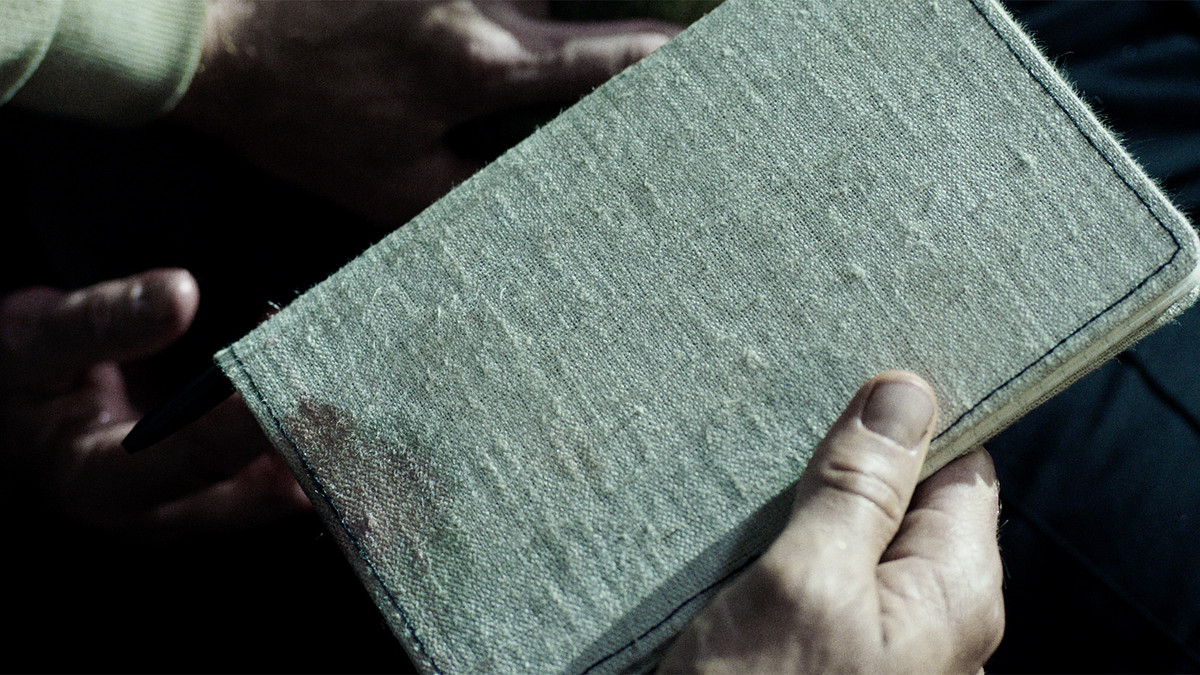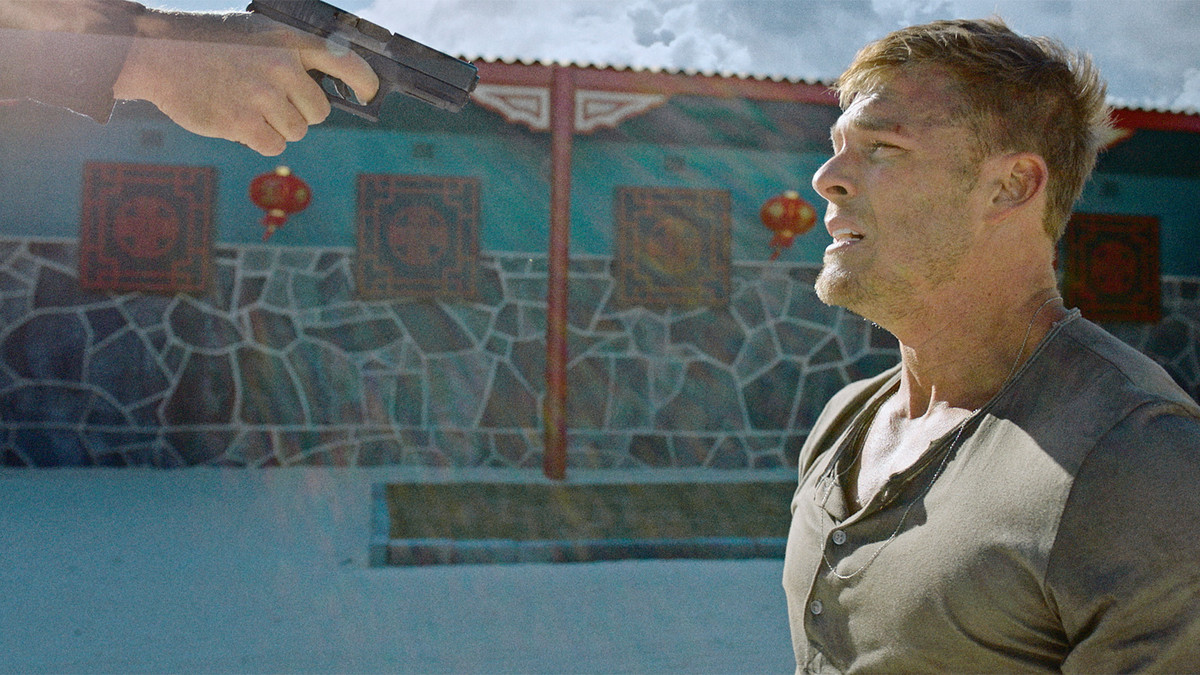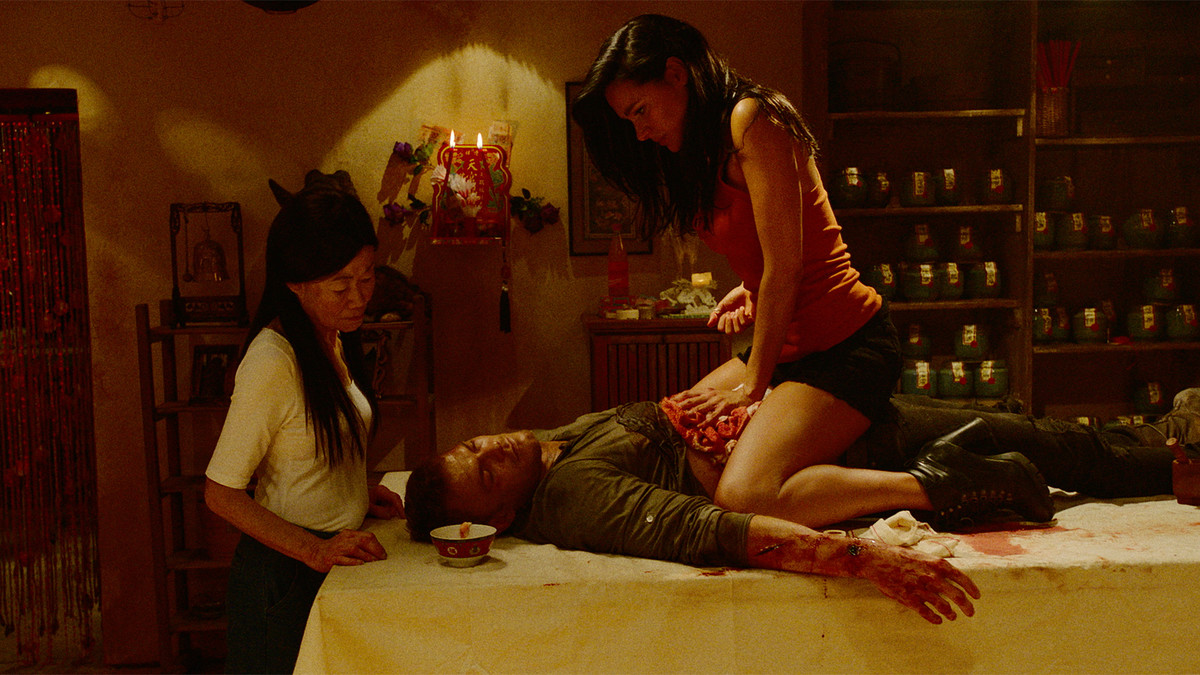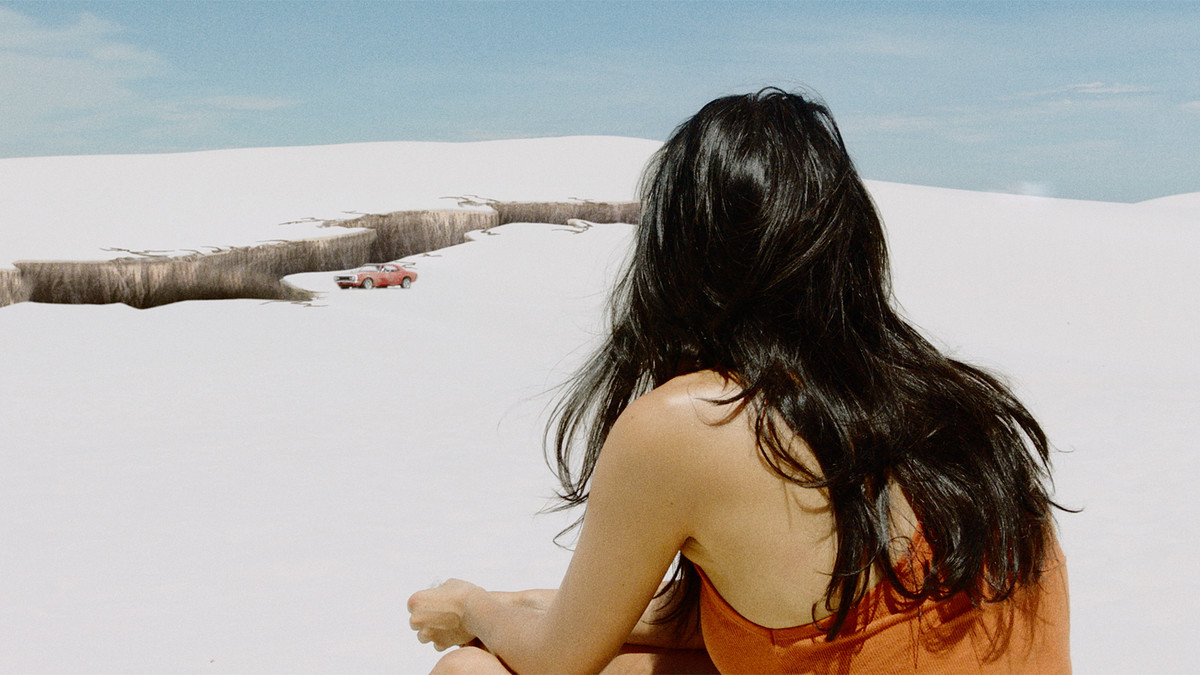
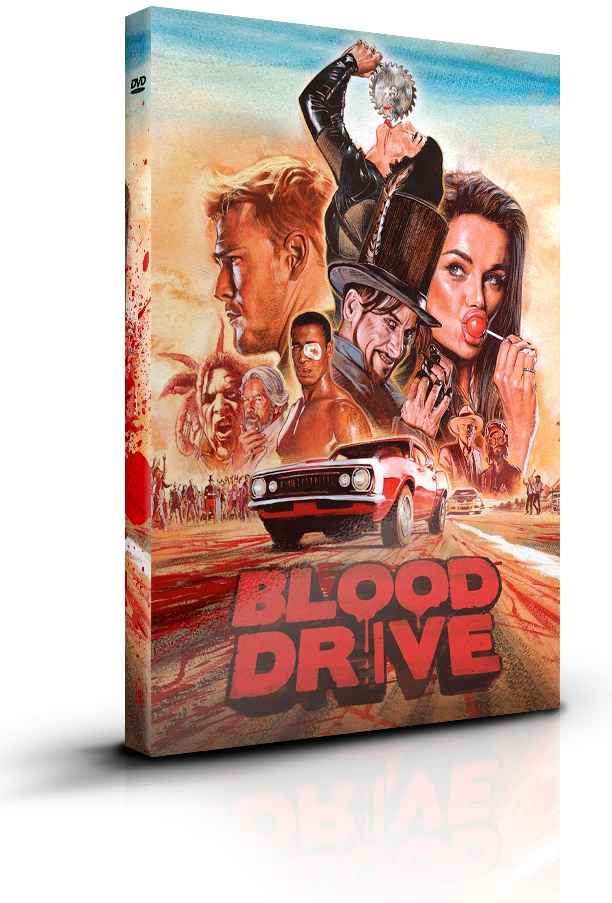
Blood Drive


About Blood Drive

---- Morphological Variability


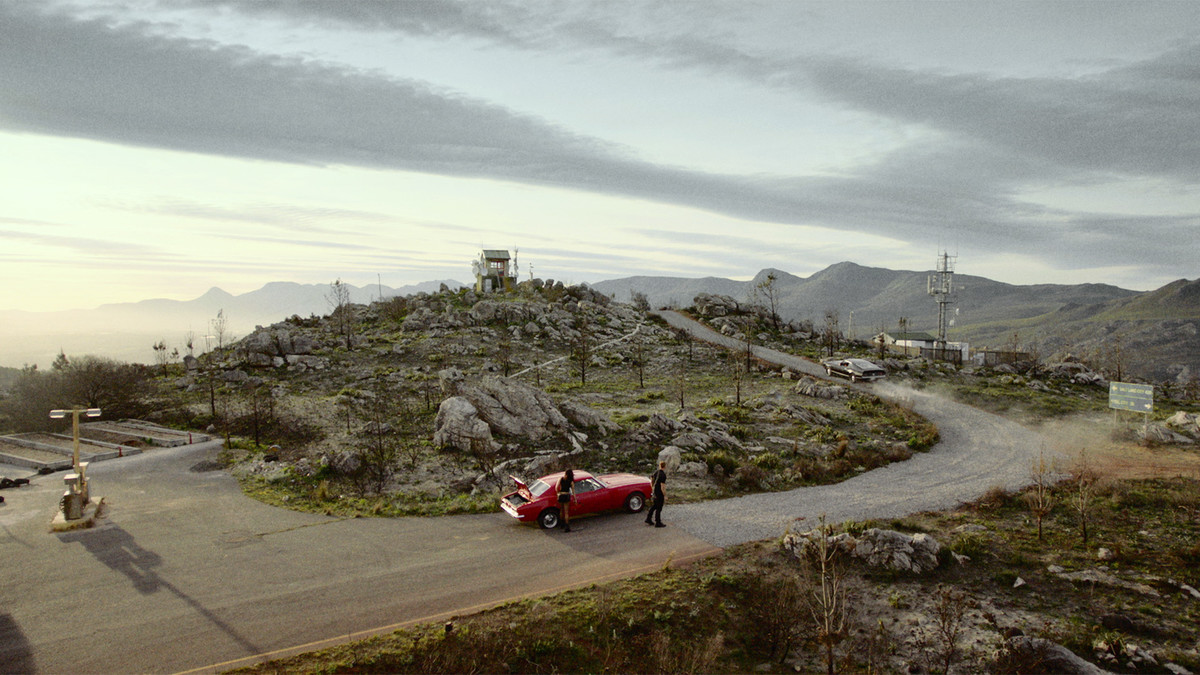
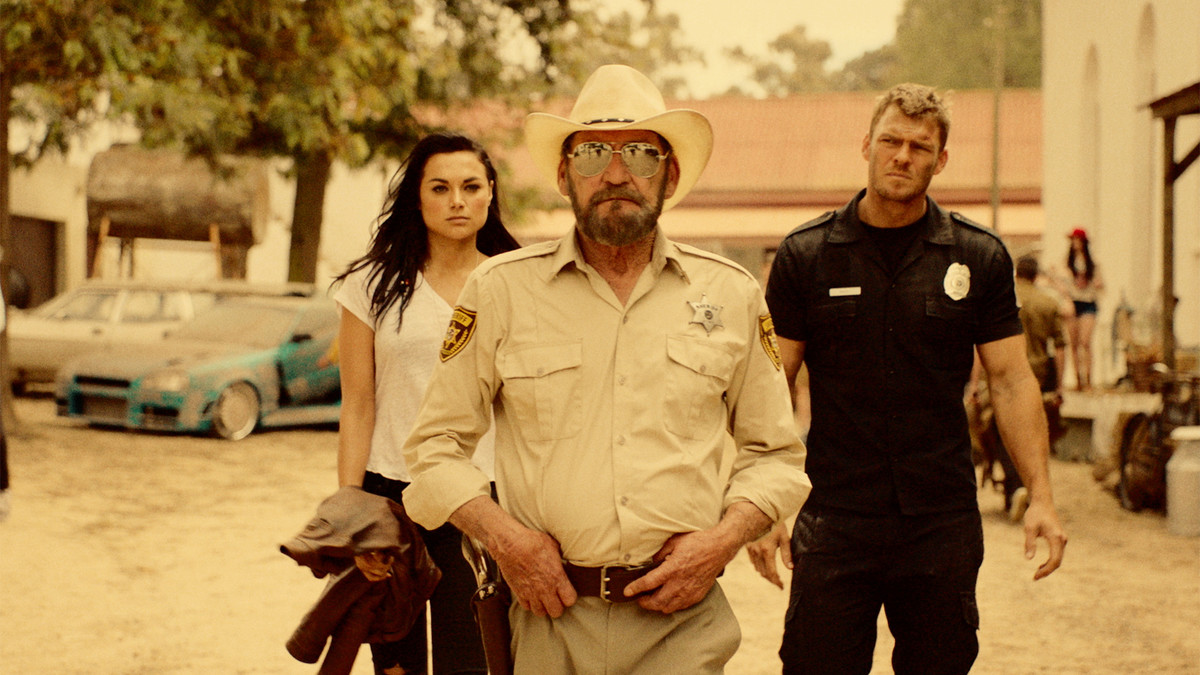
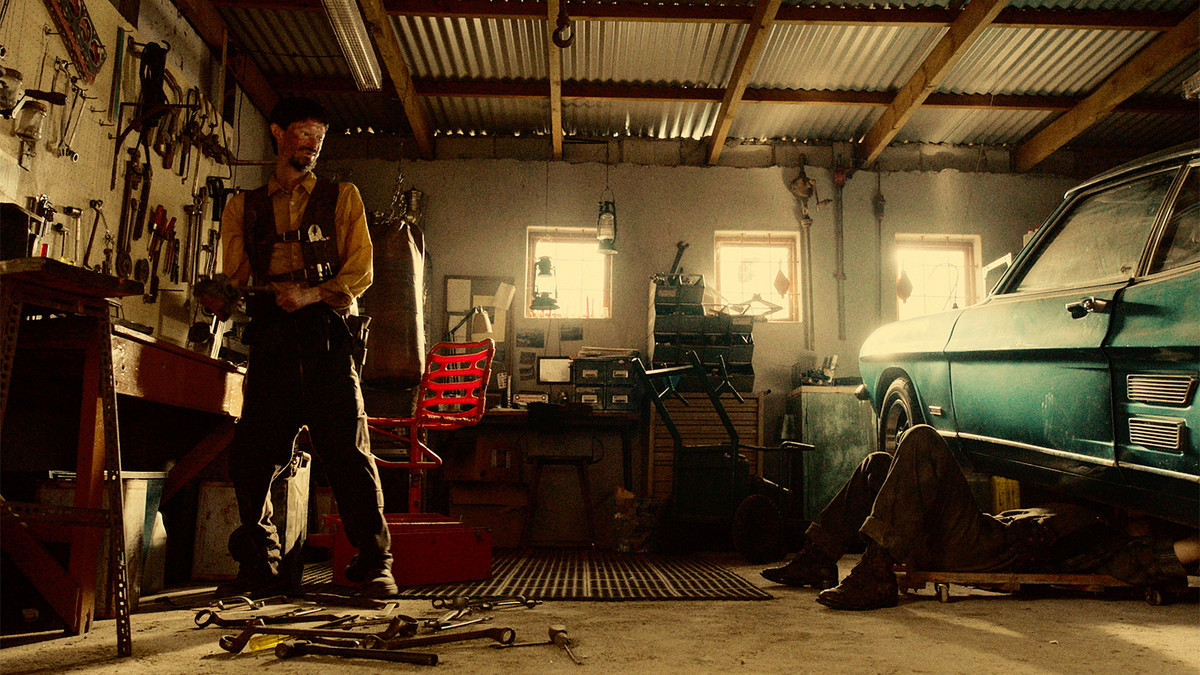
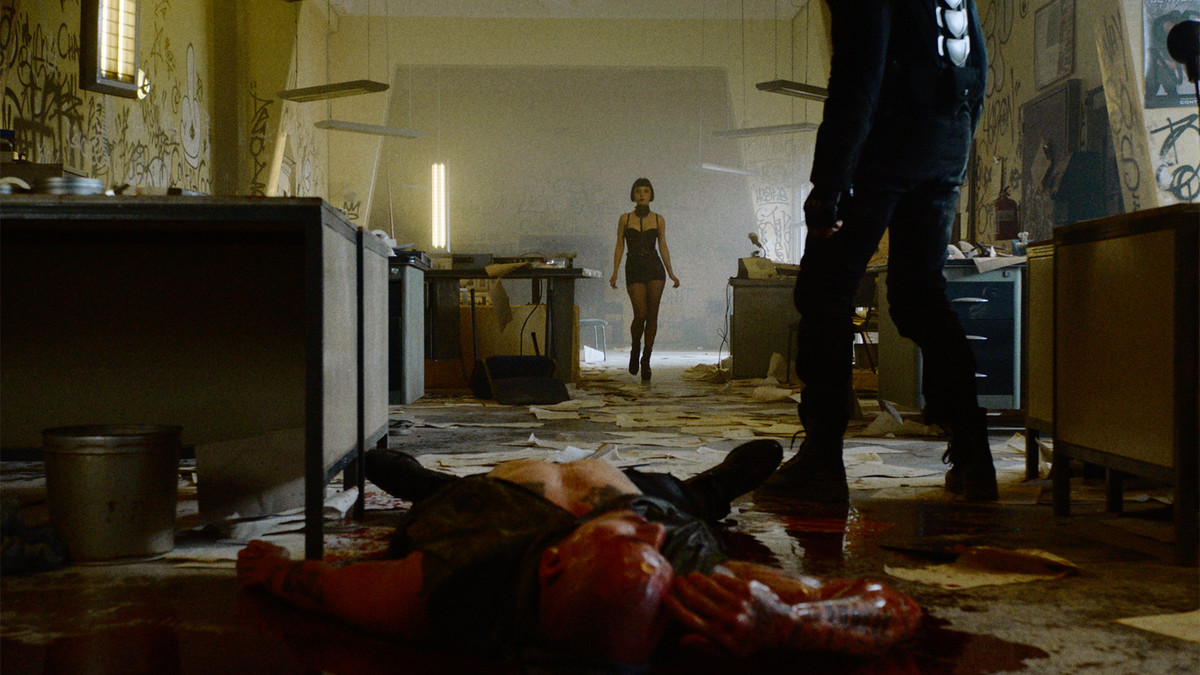
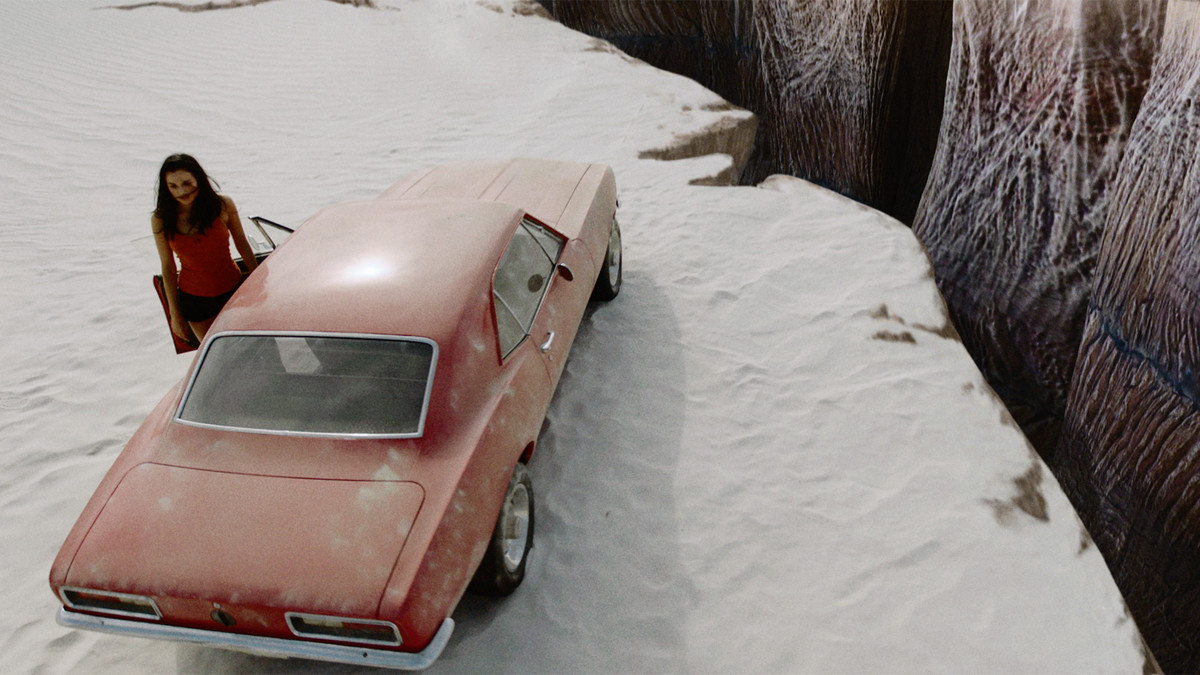
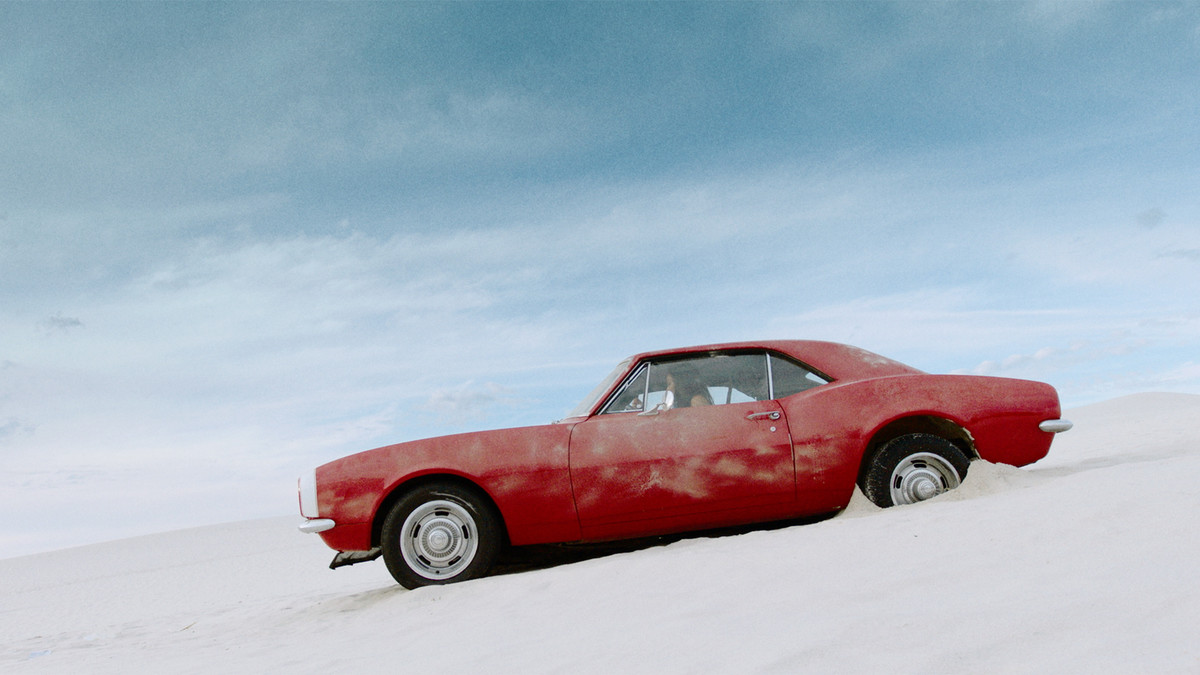
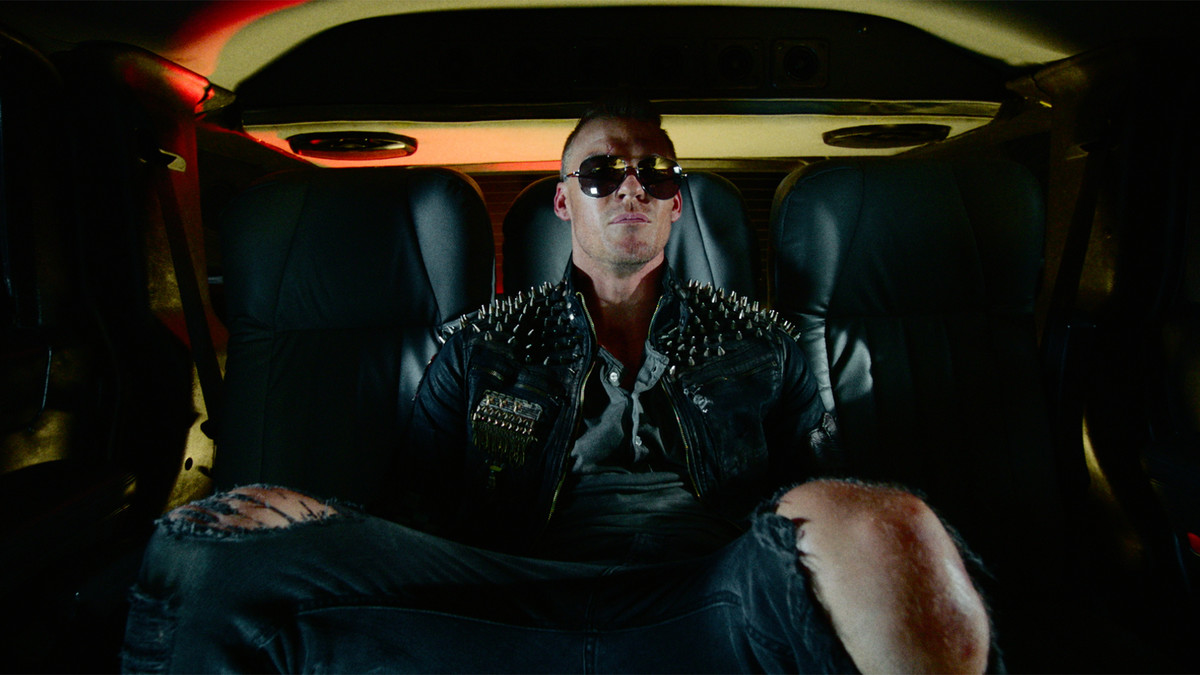
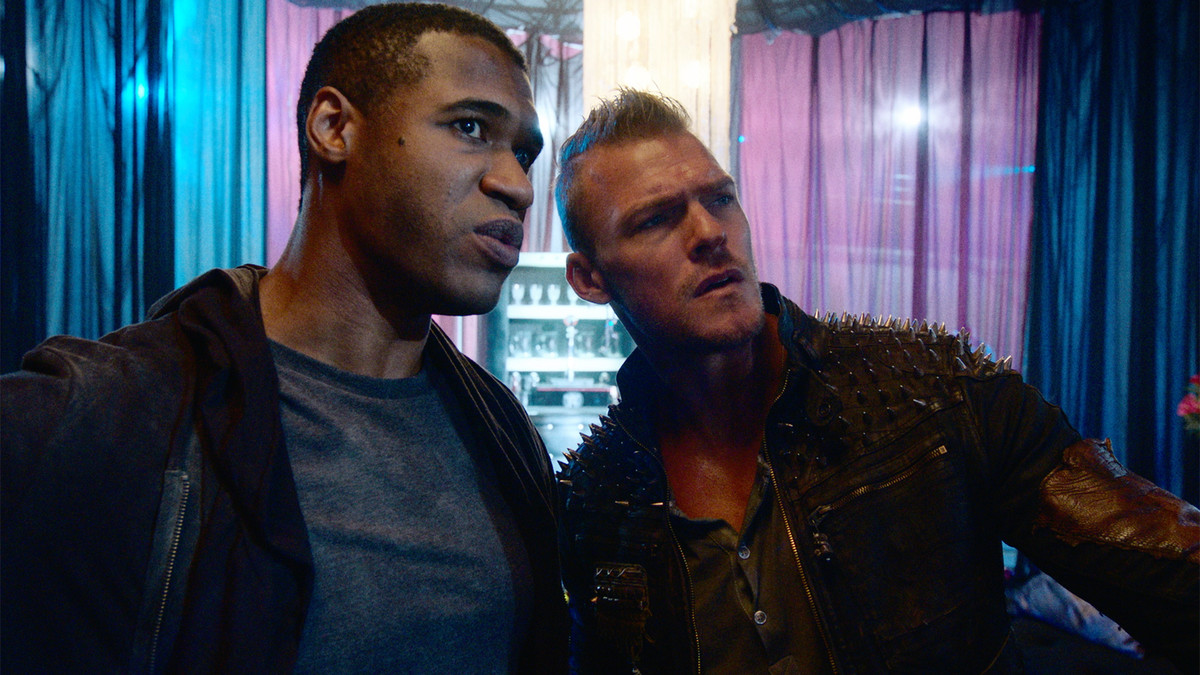
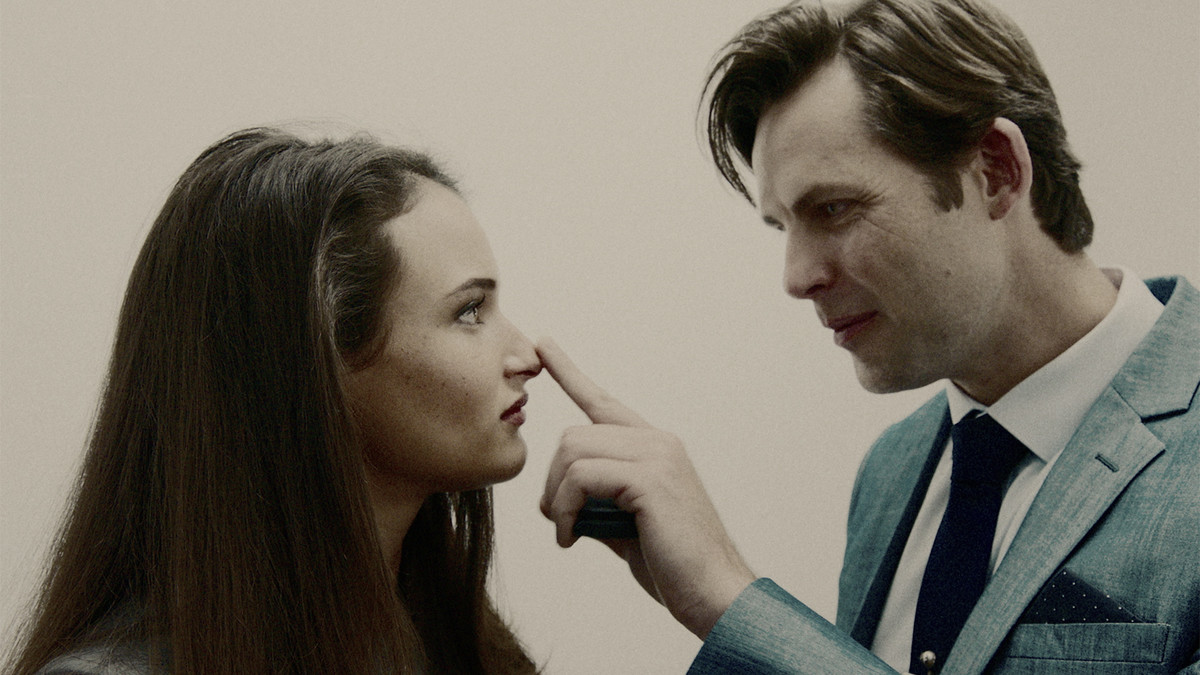
Los Angeles 1999 - The Future: where water is a scarce as oil, and climate change keeps the temperature at a cool 115 in the shade.

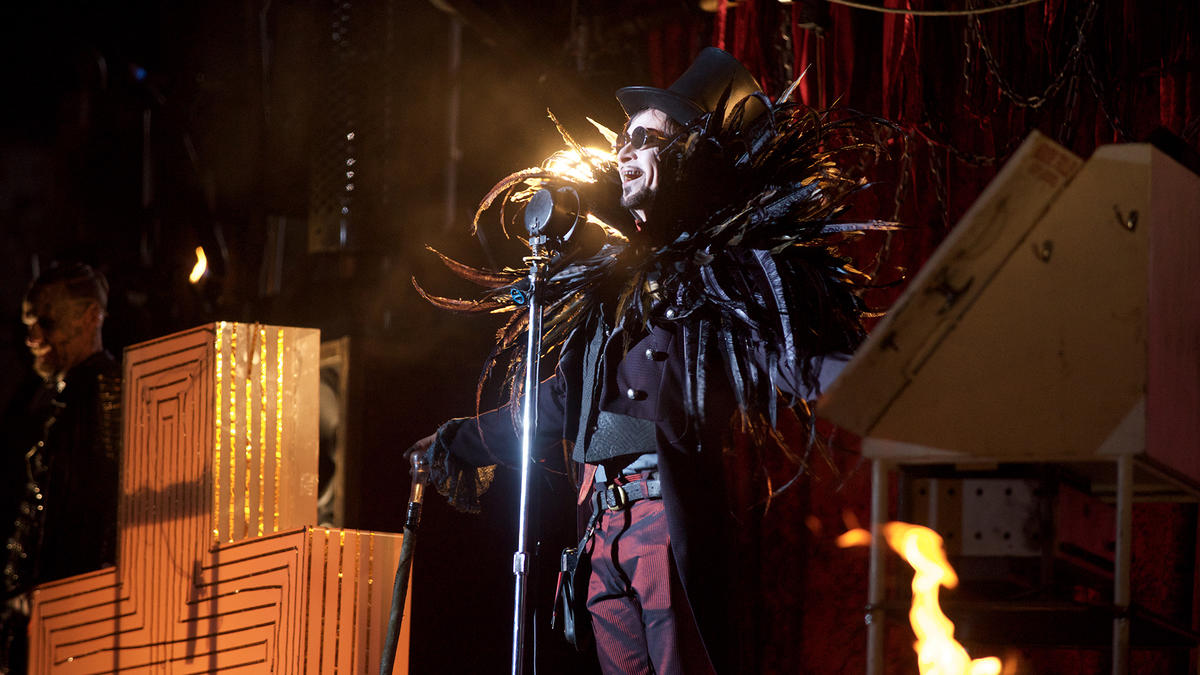
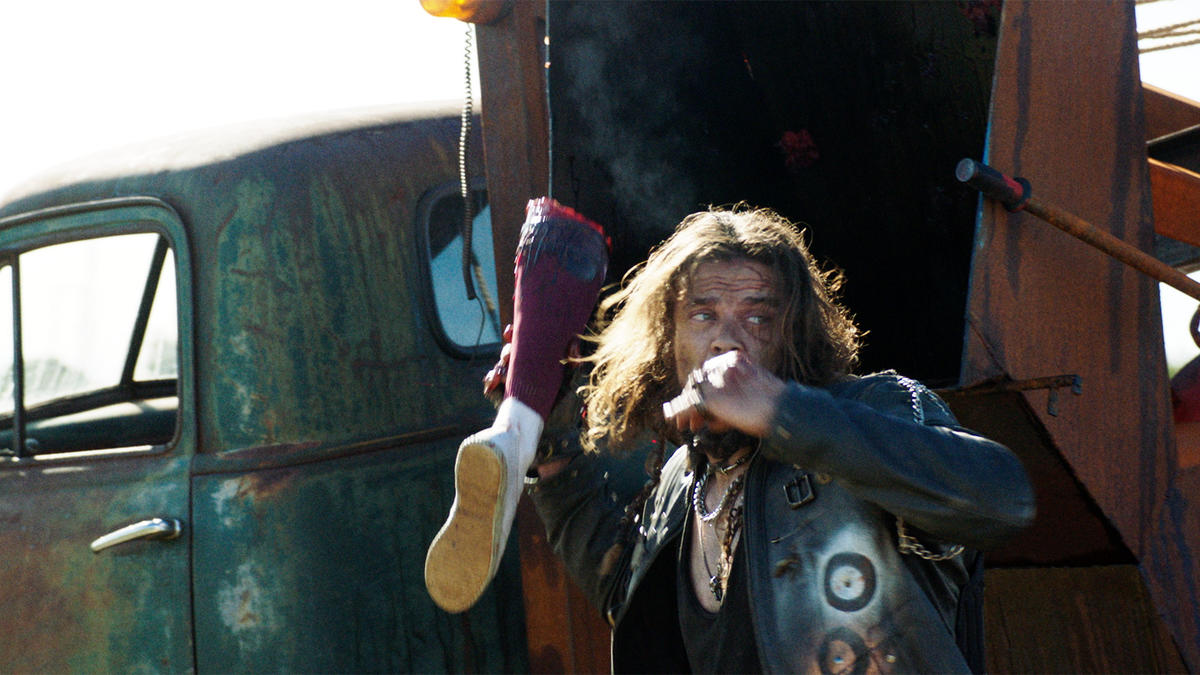
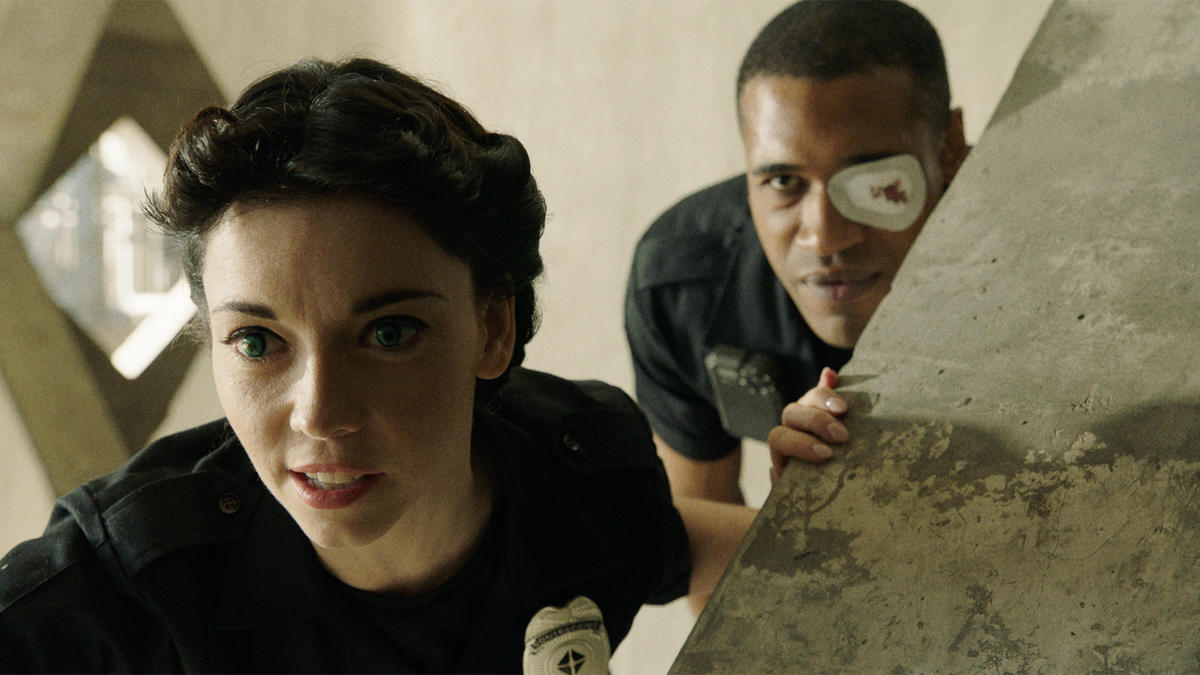
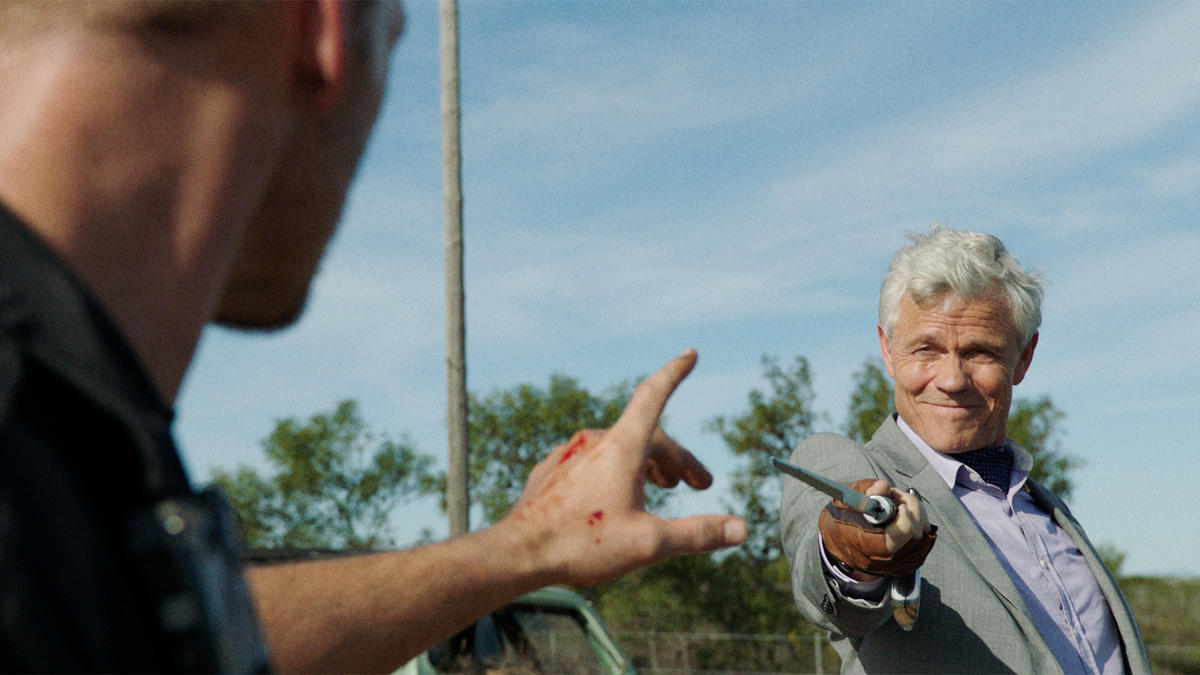
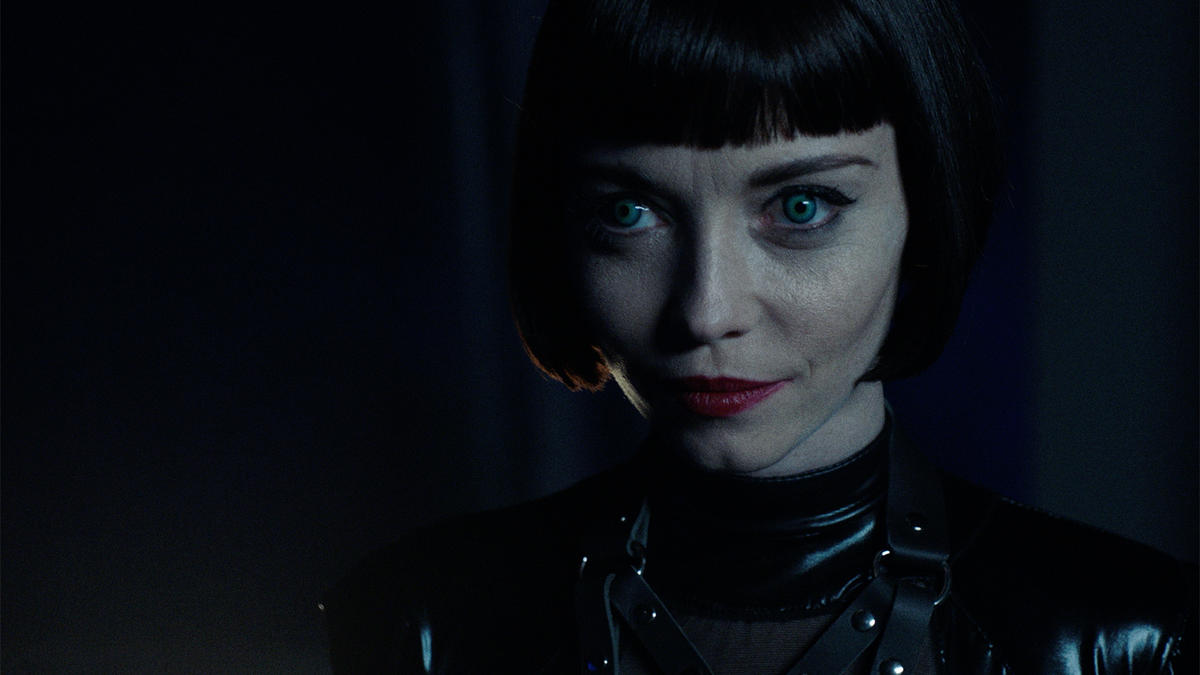
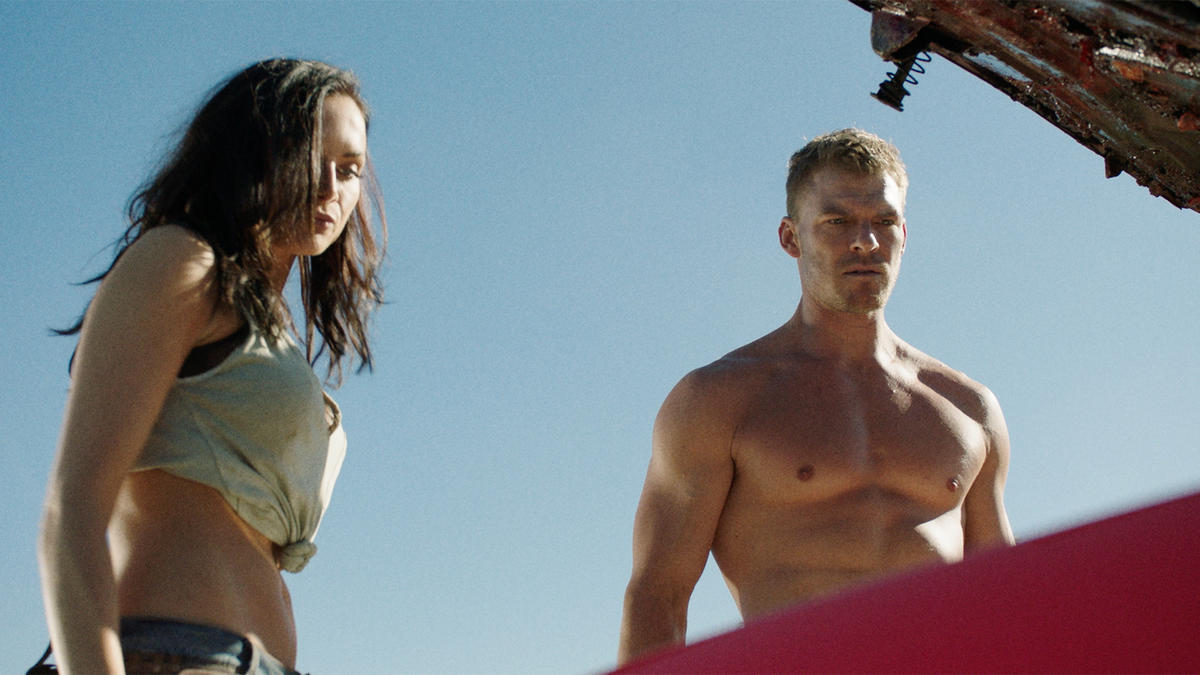
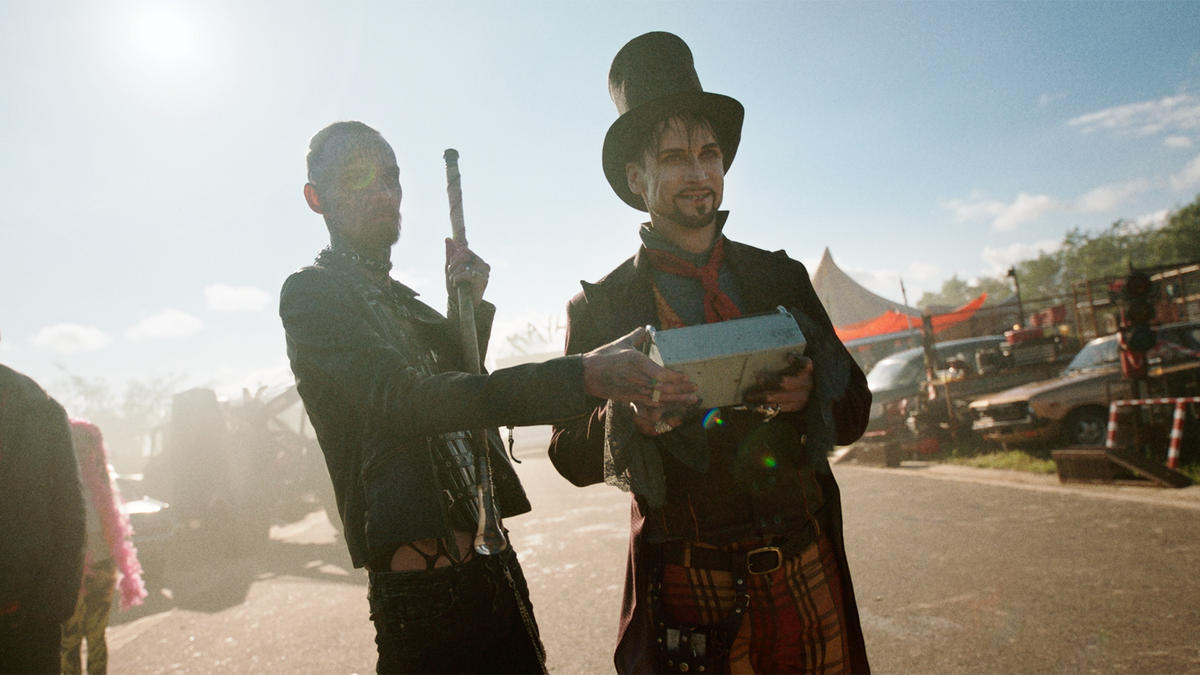
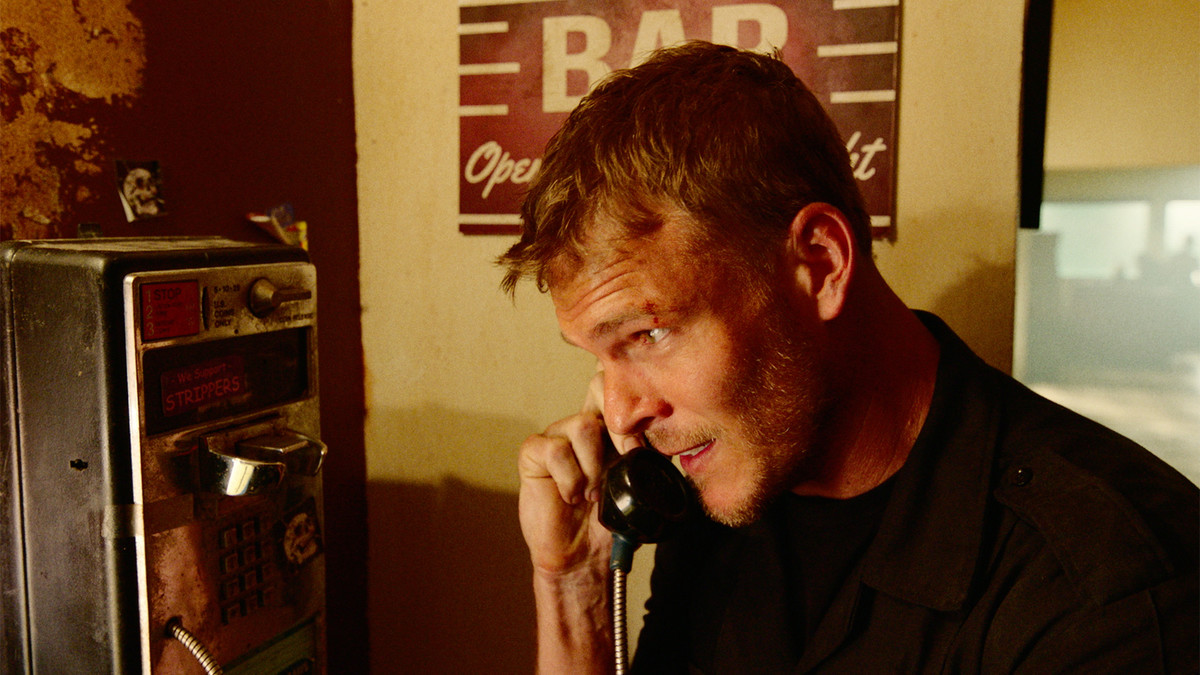
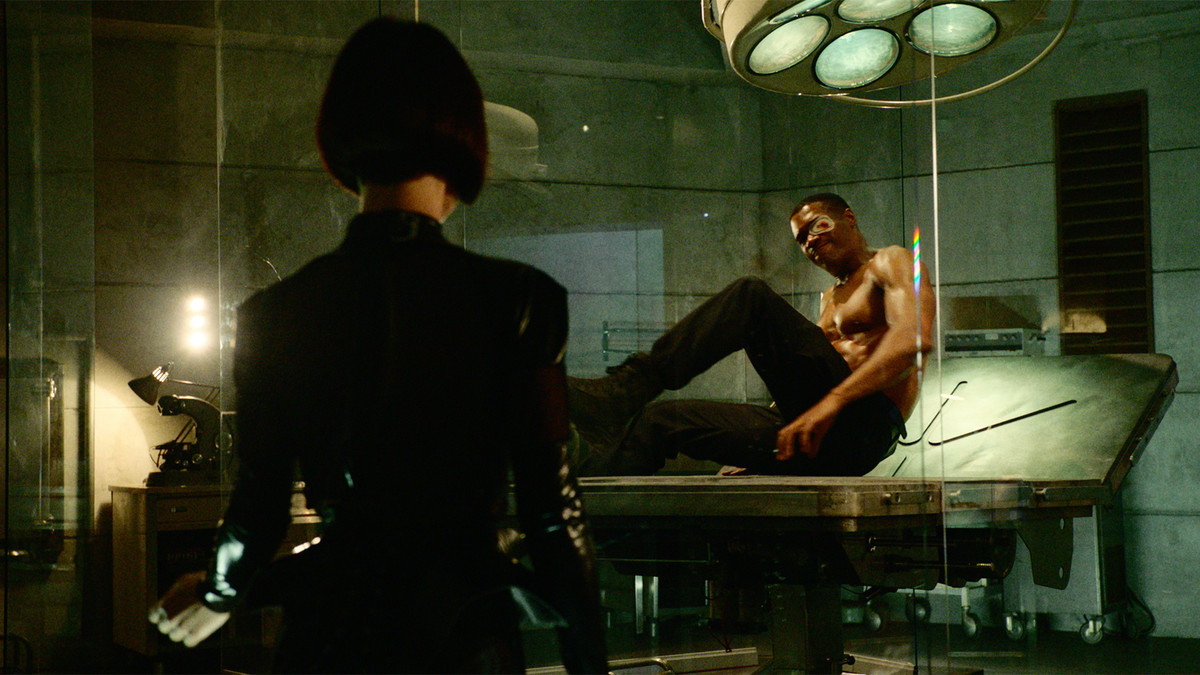
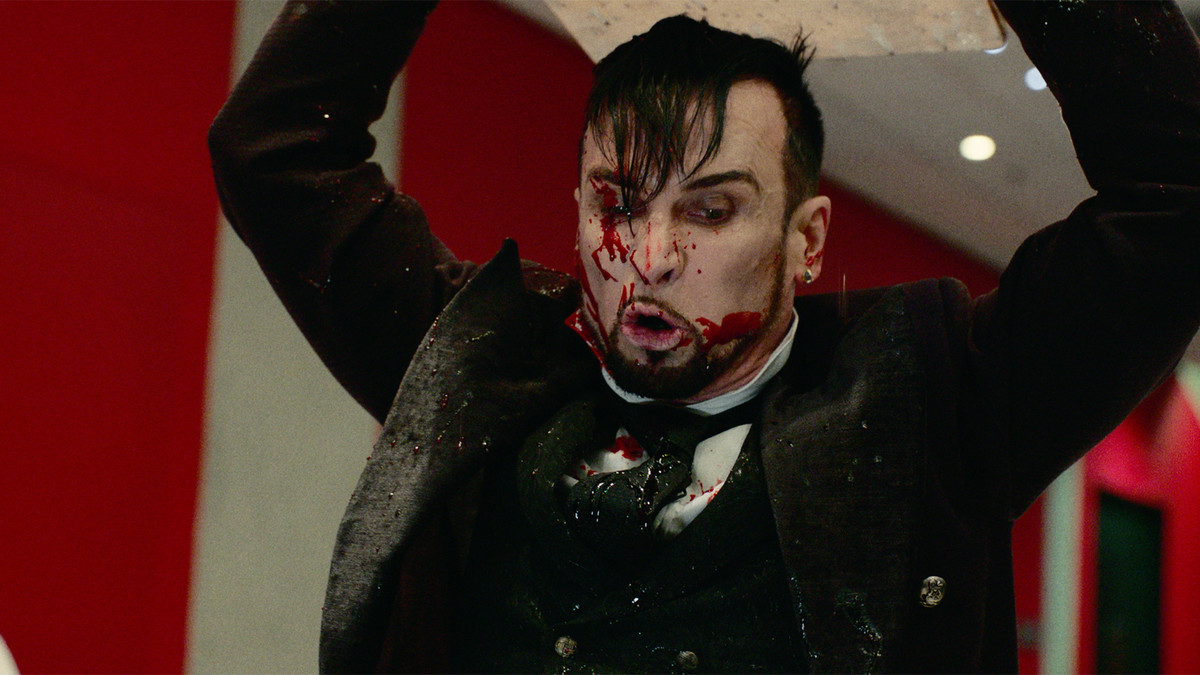
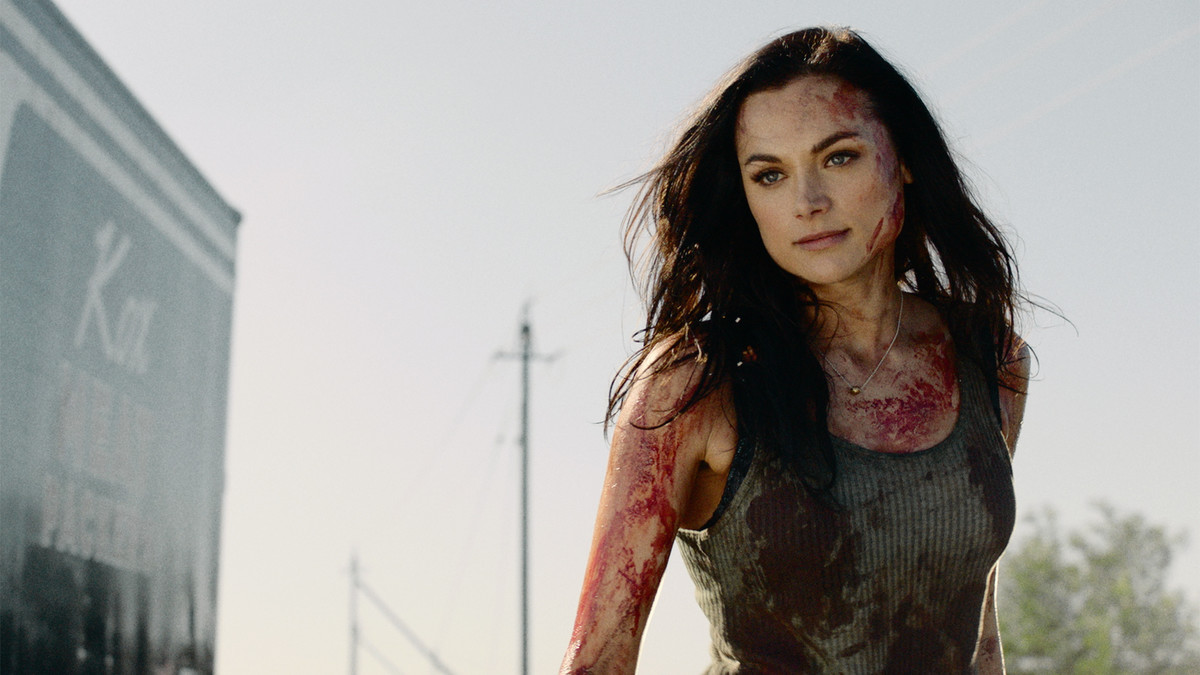
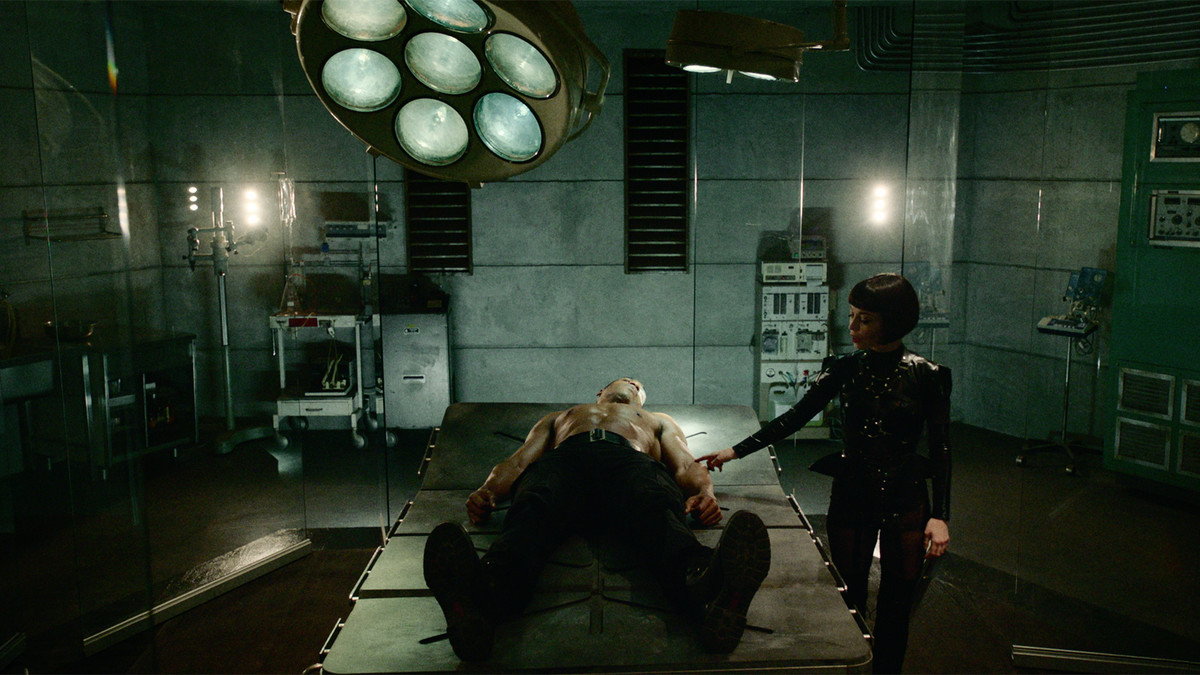
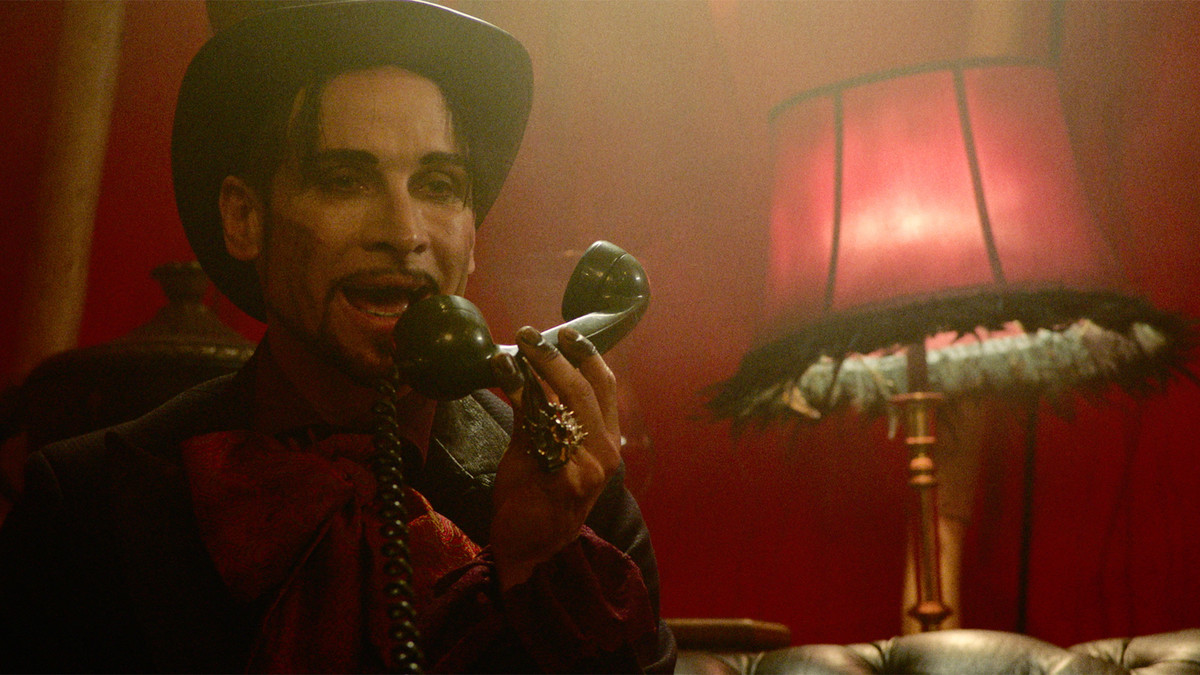
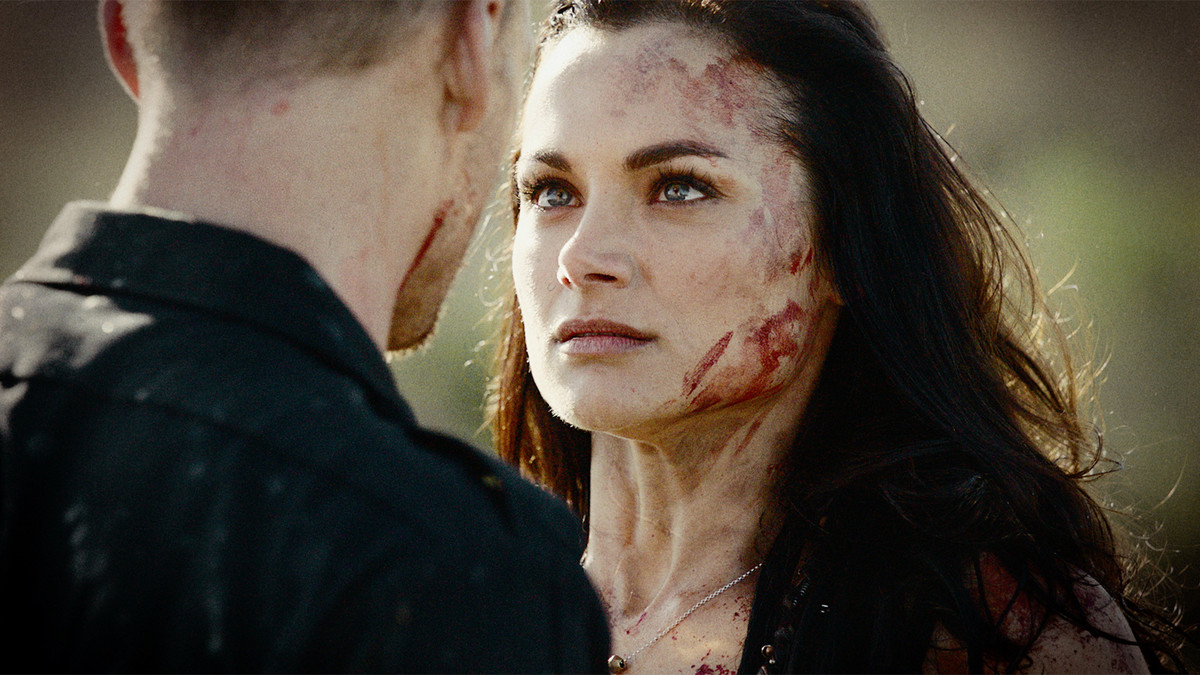
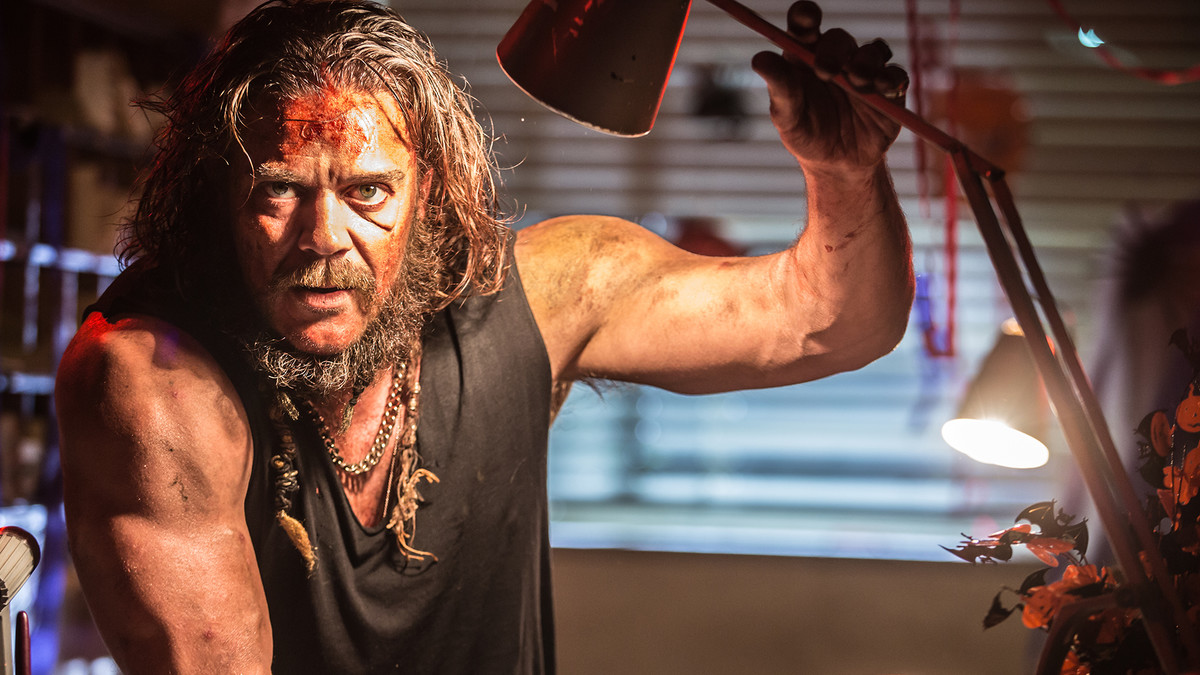
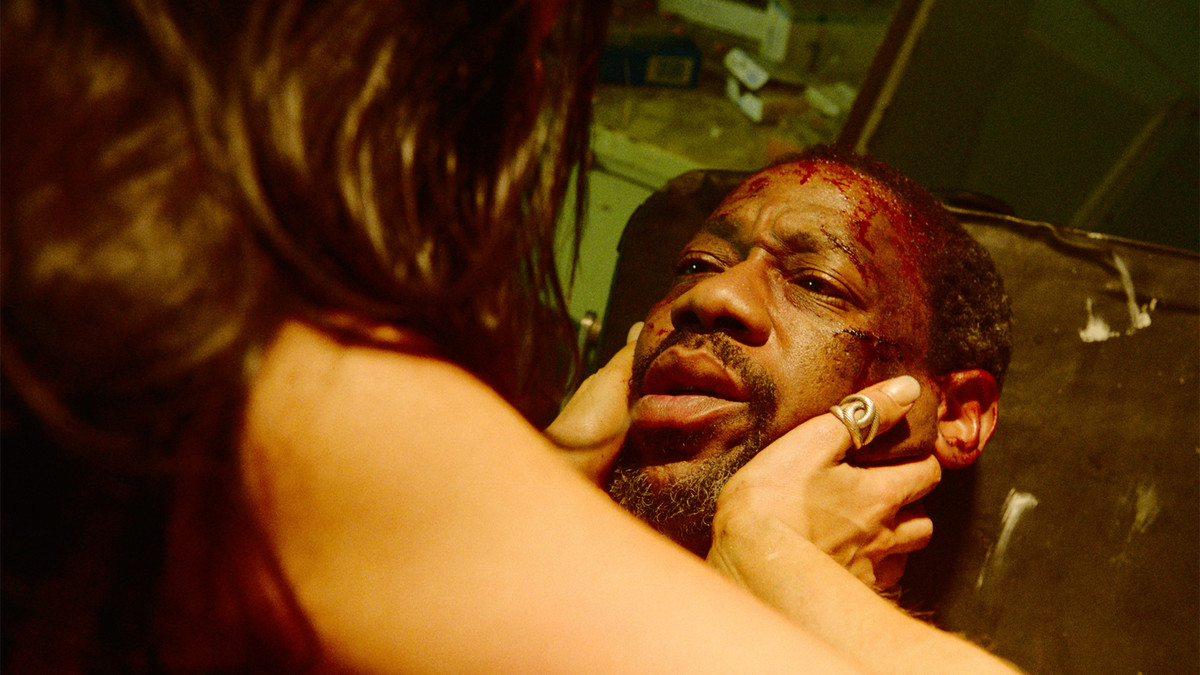
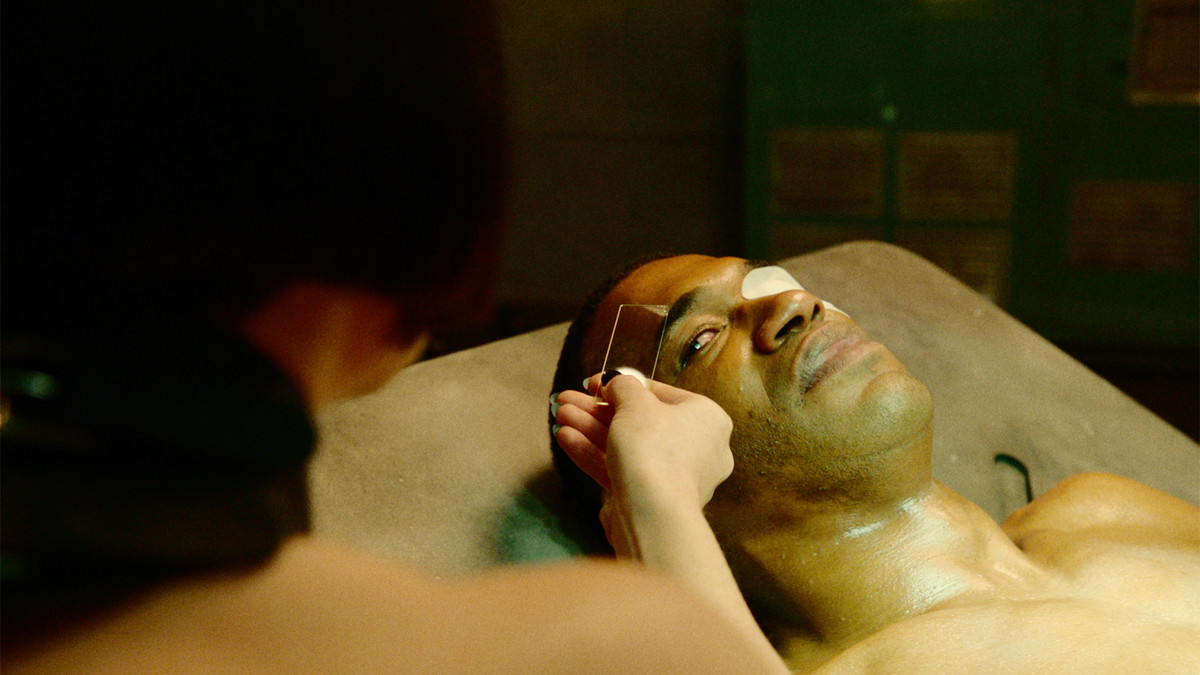
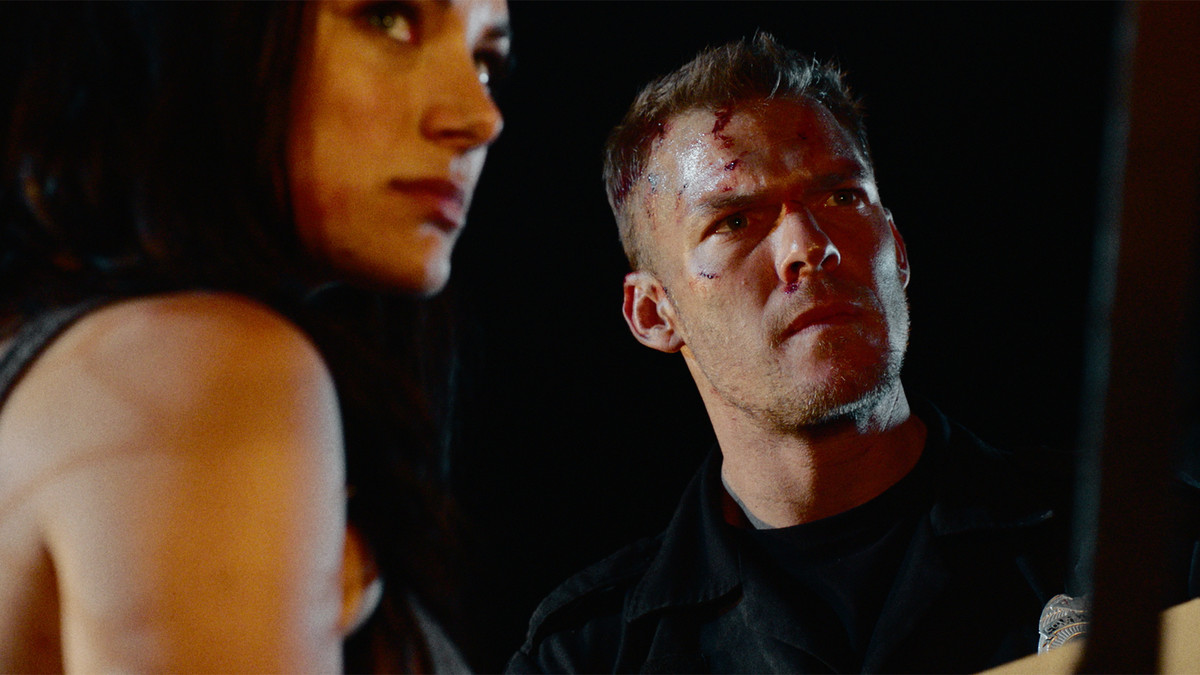
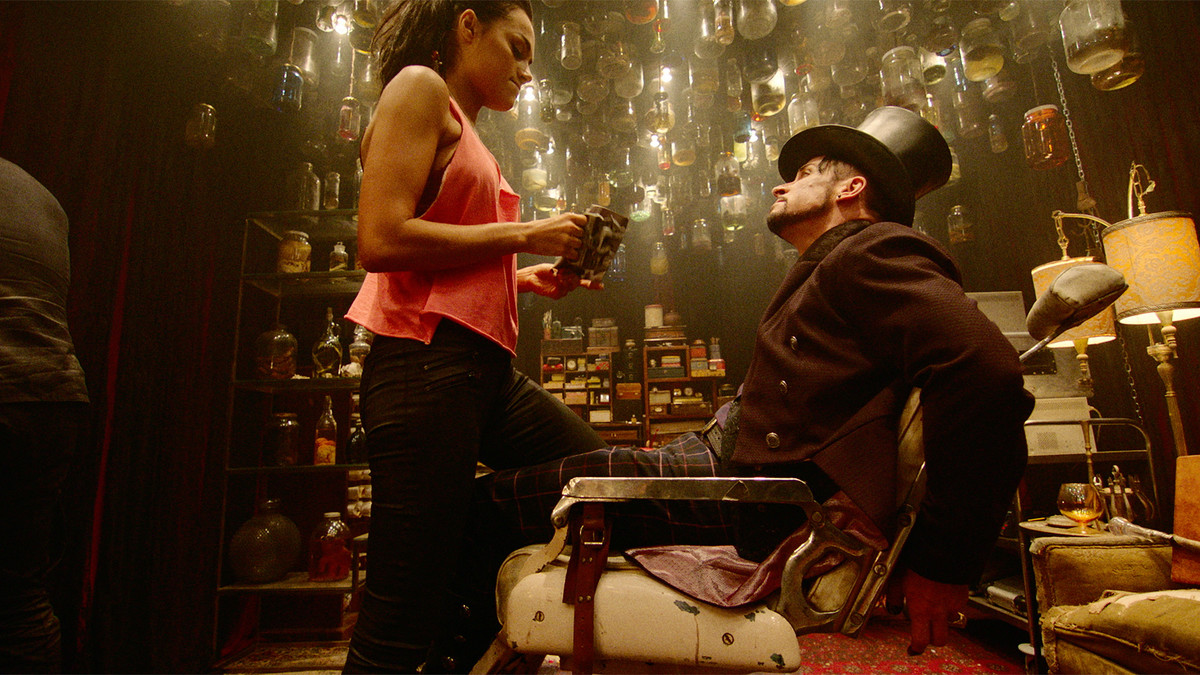
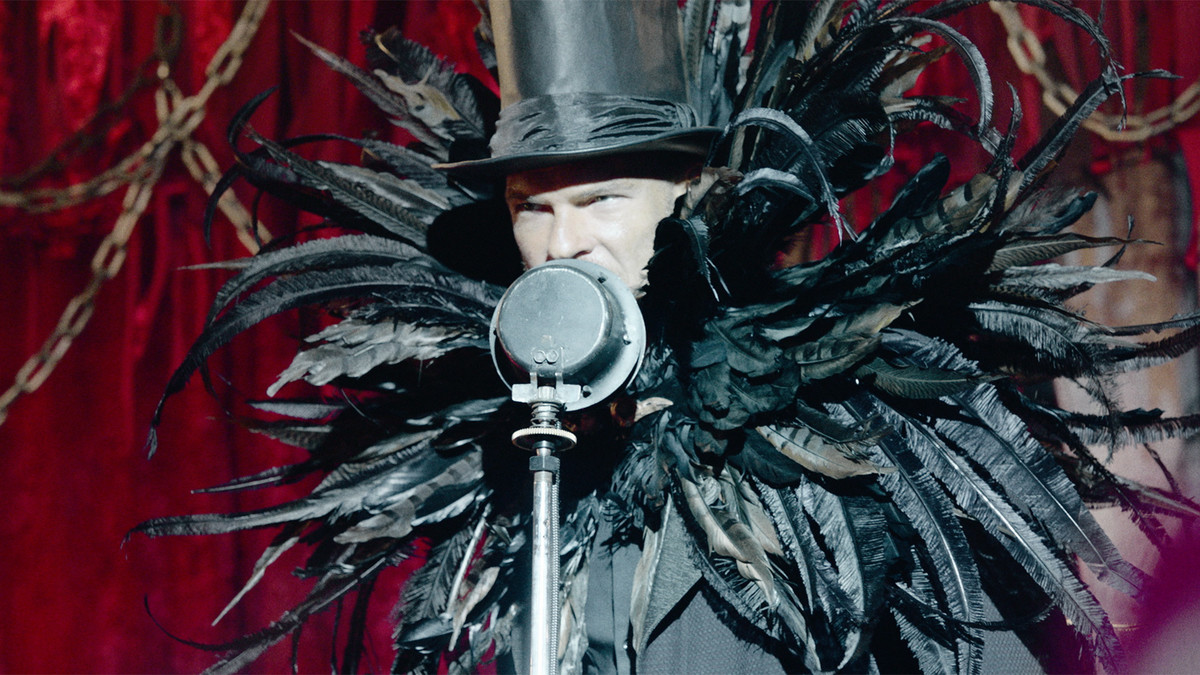
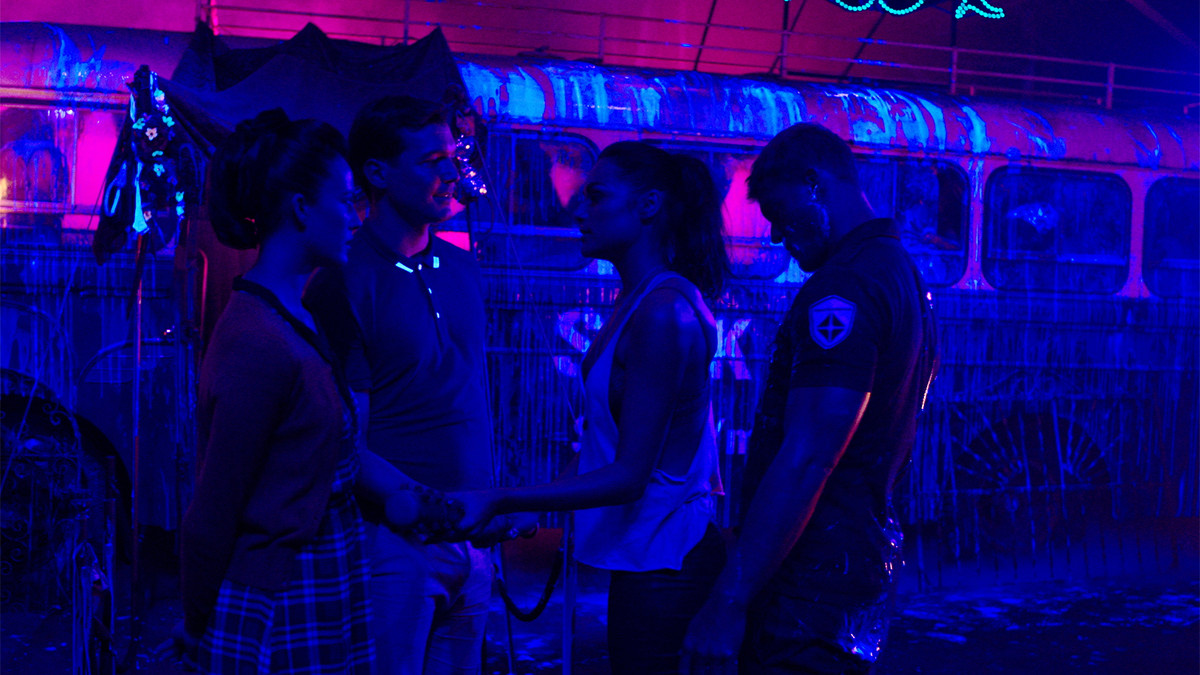
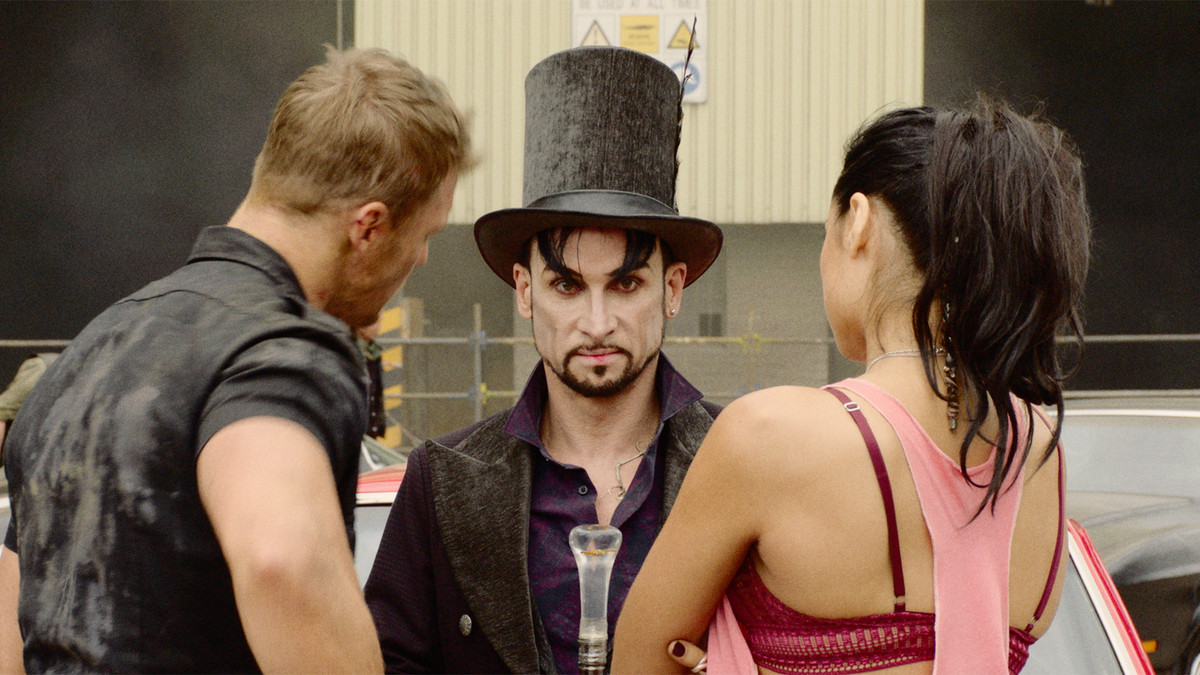
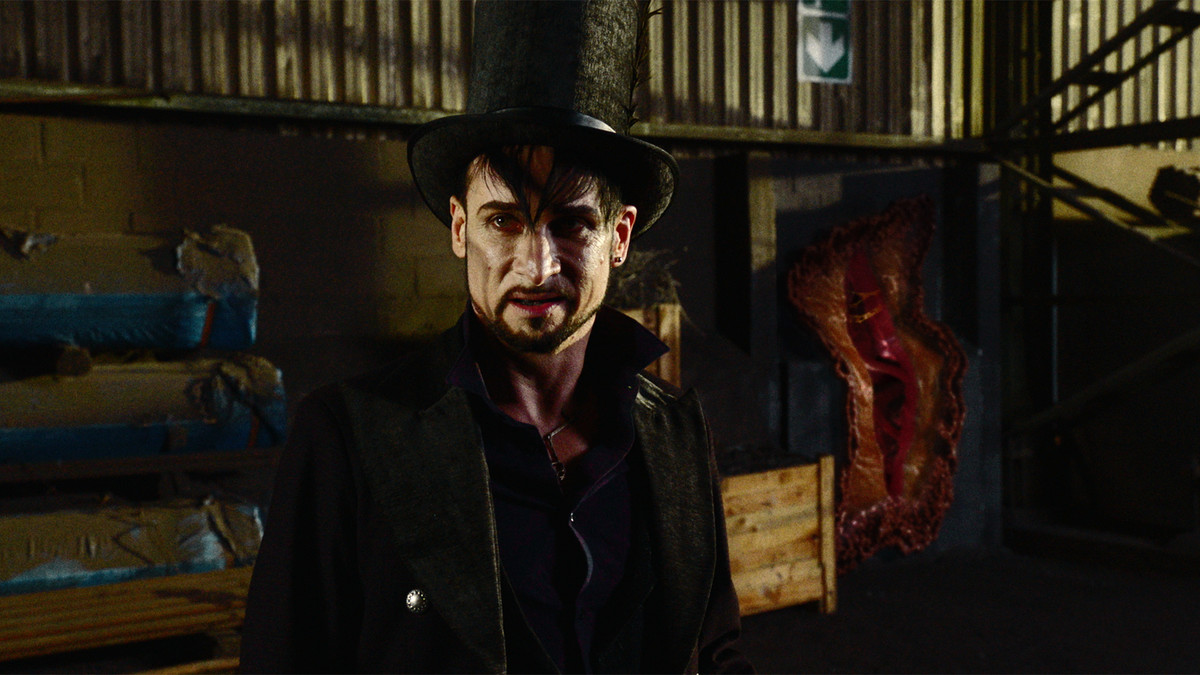
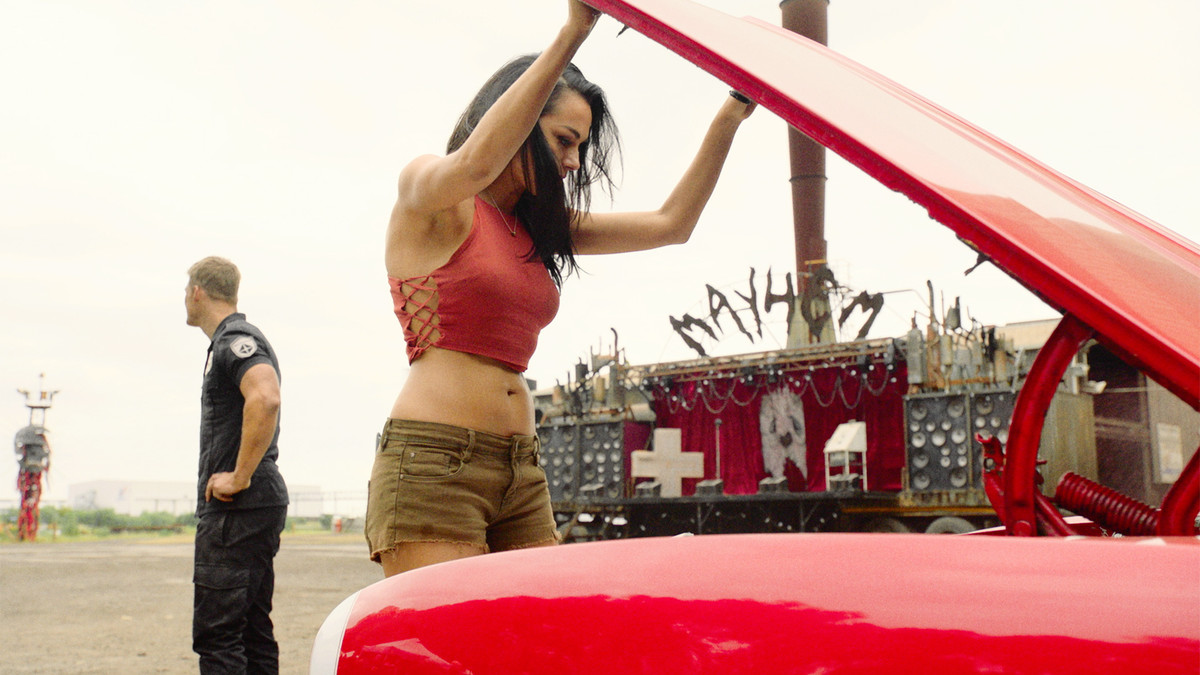
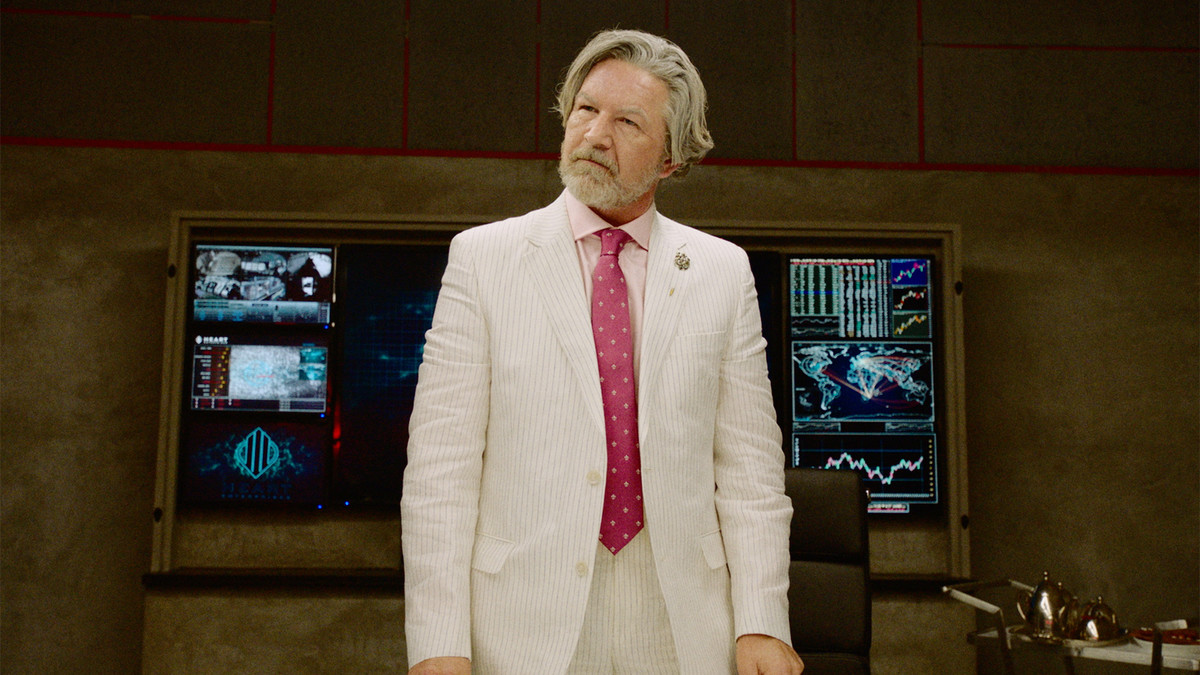
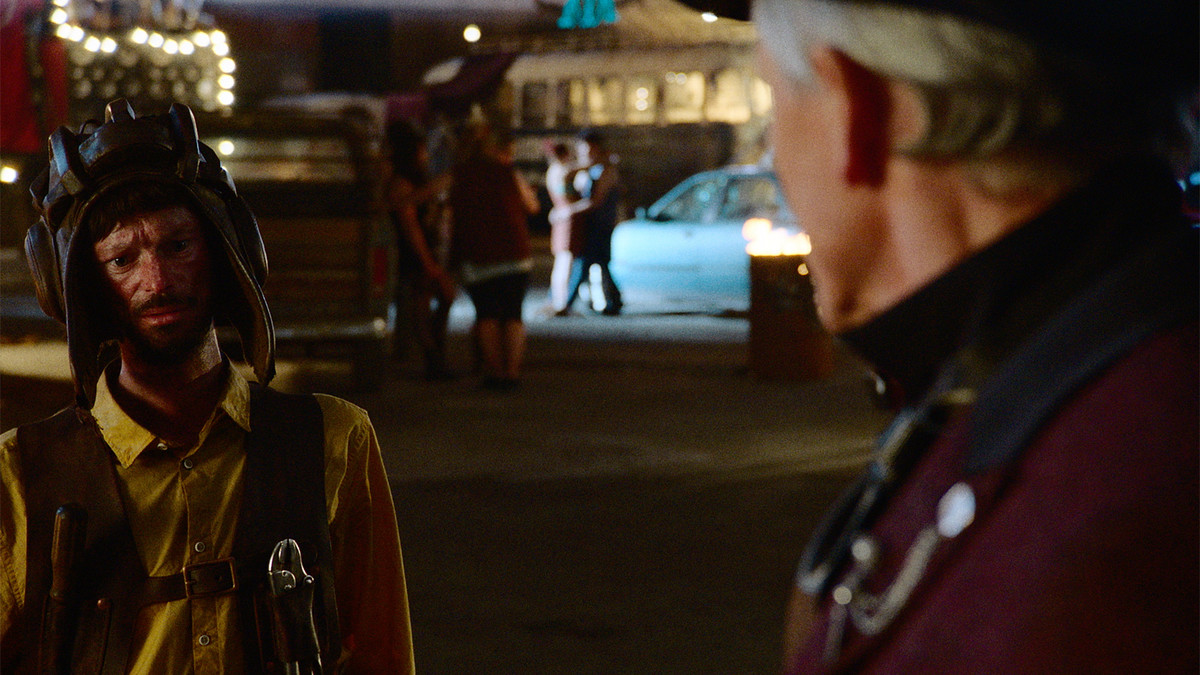
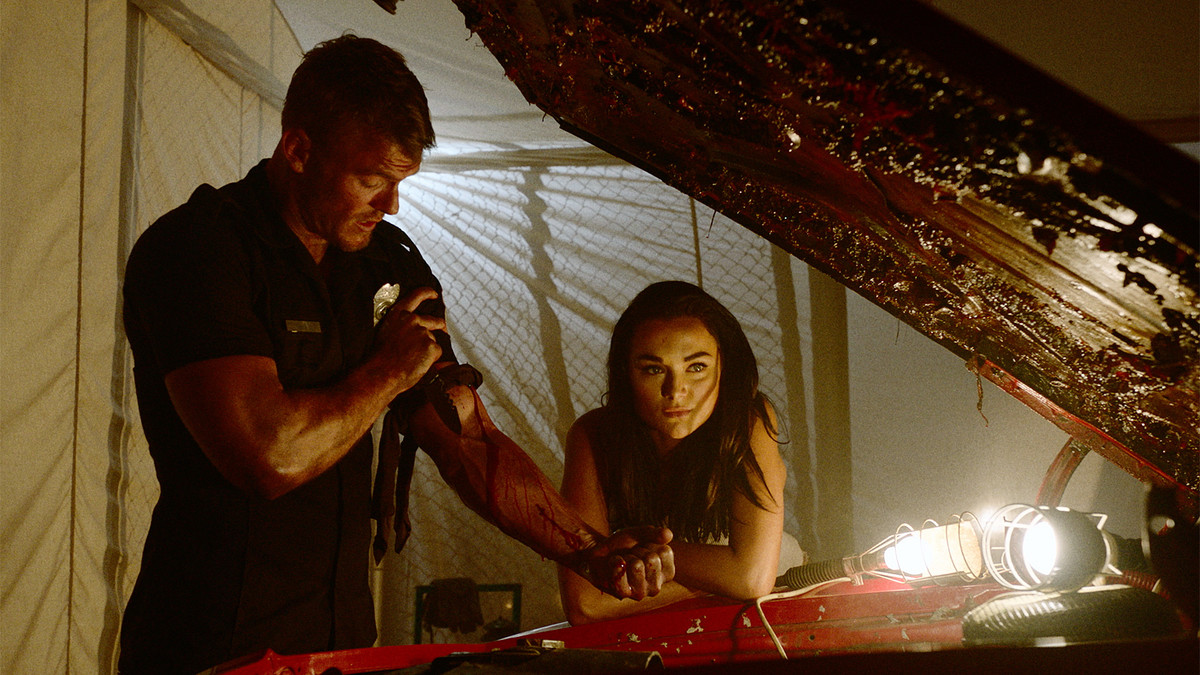
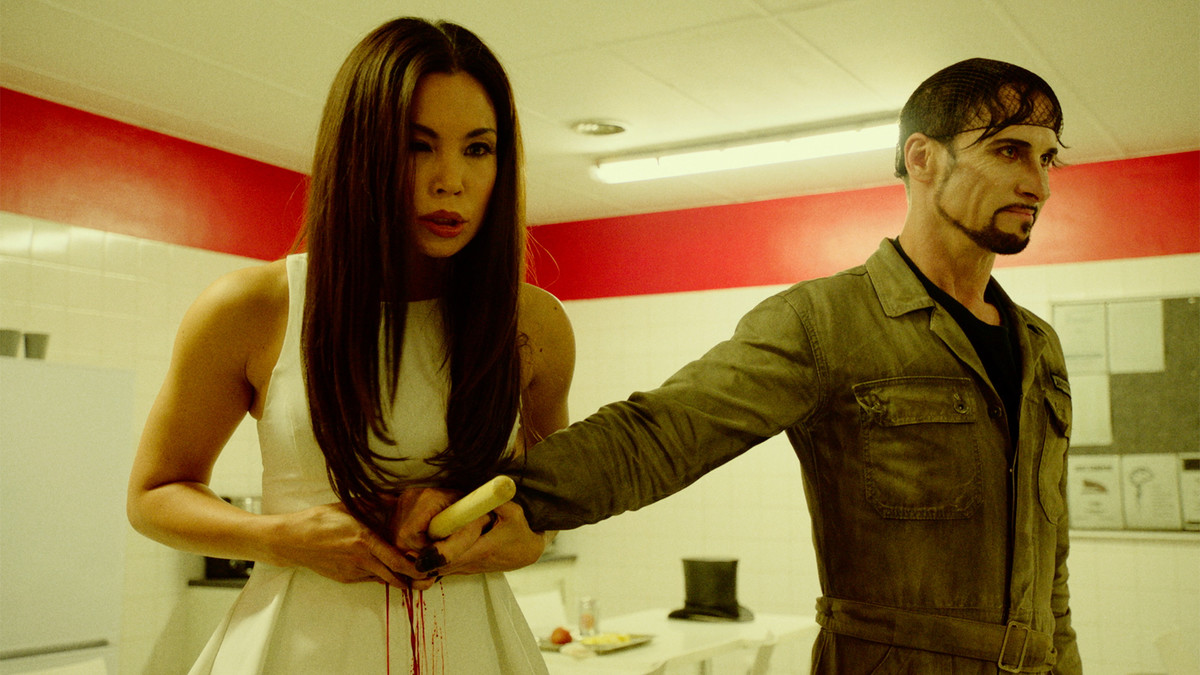
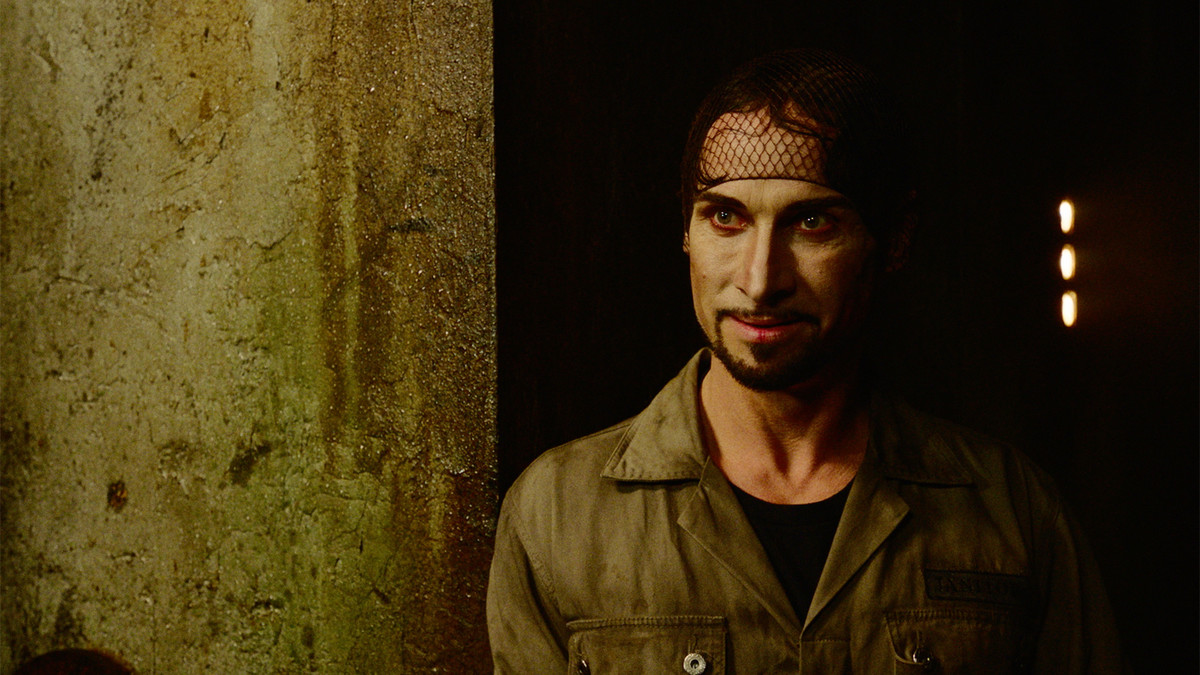
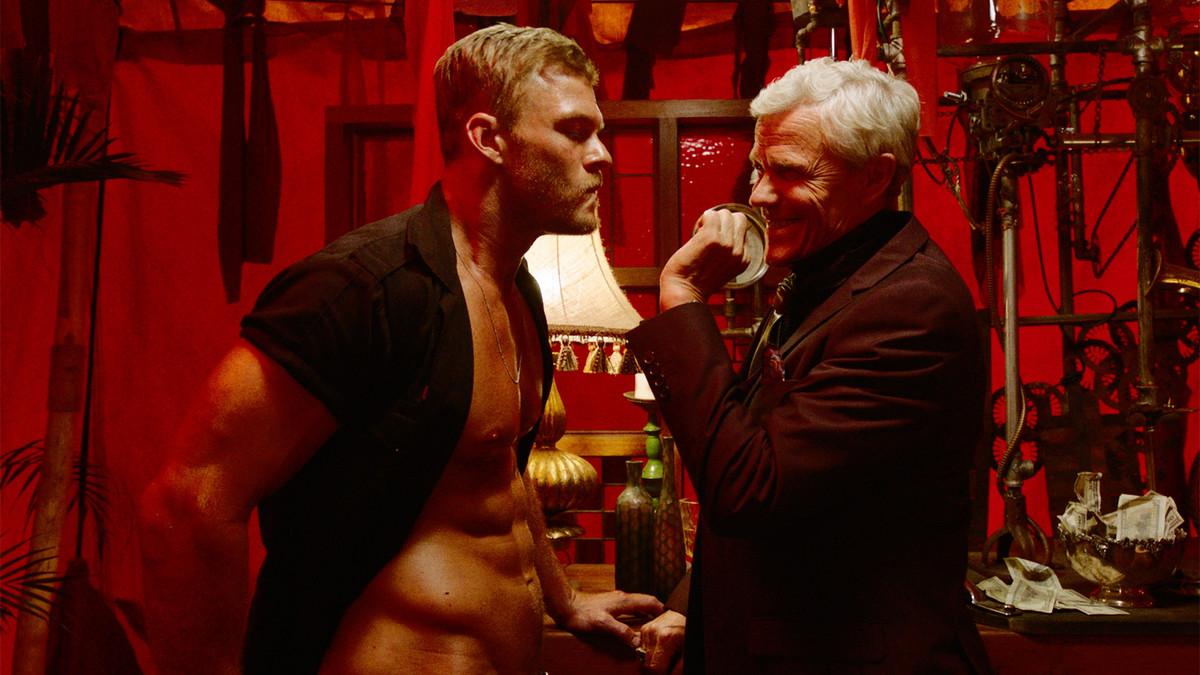
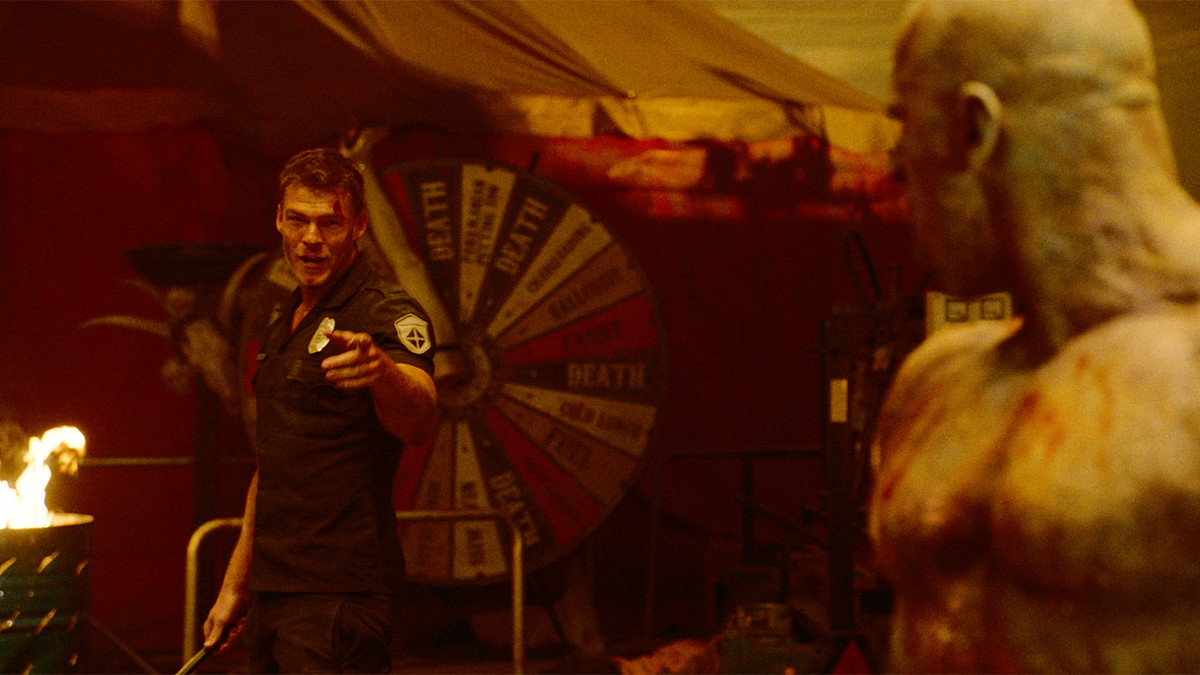
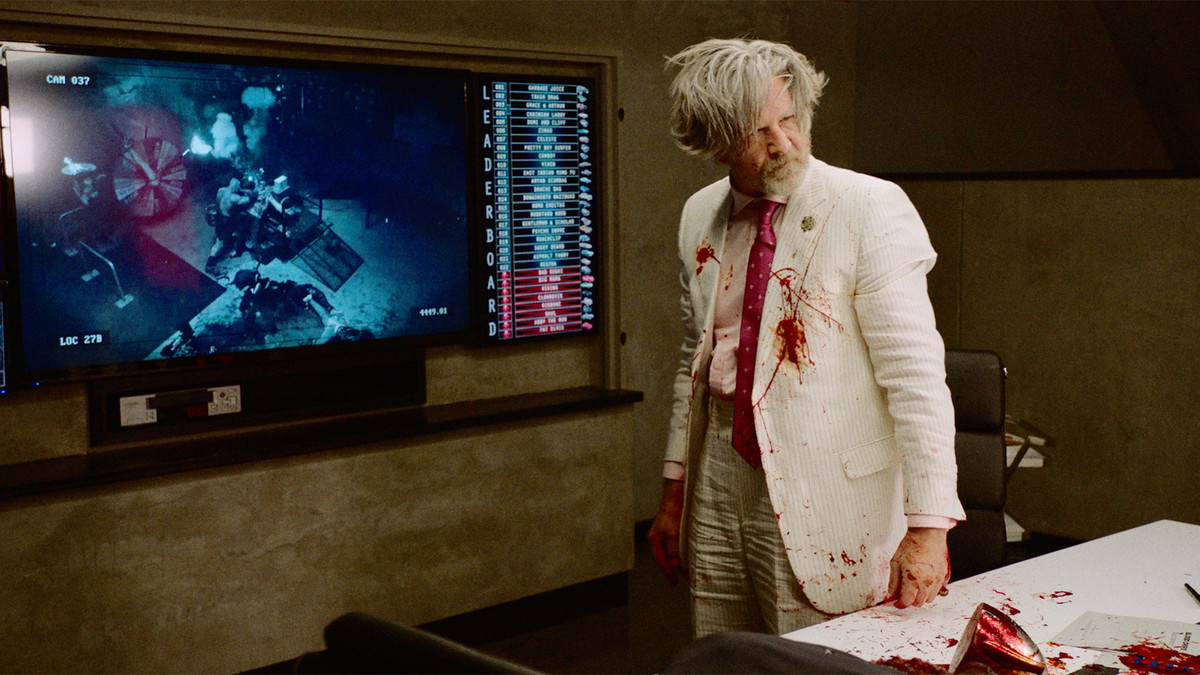
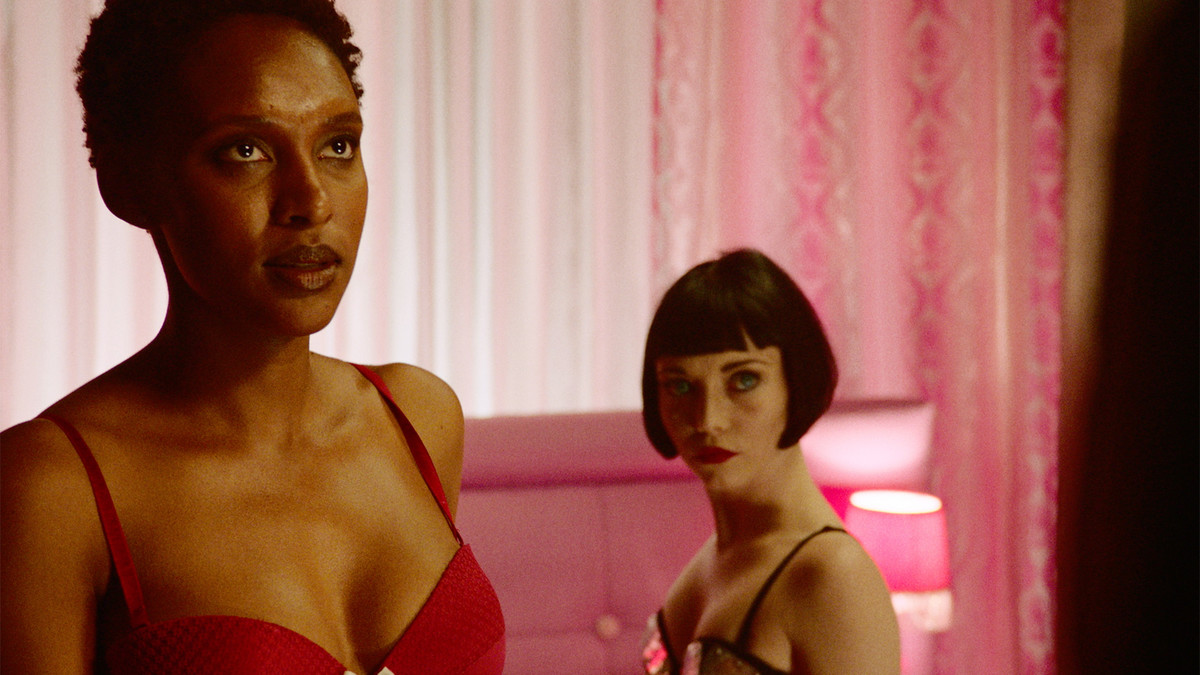
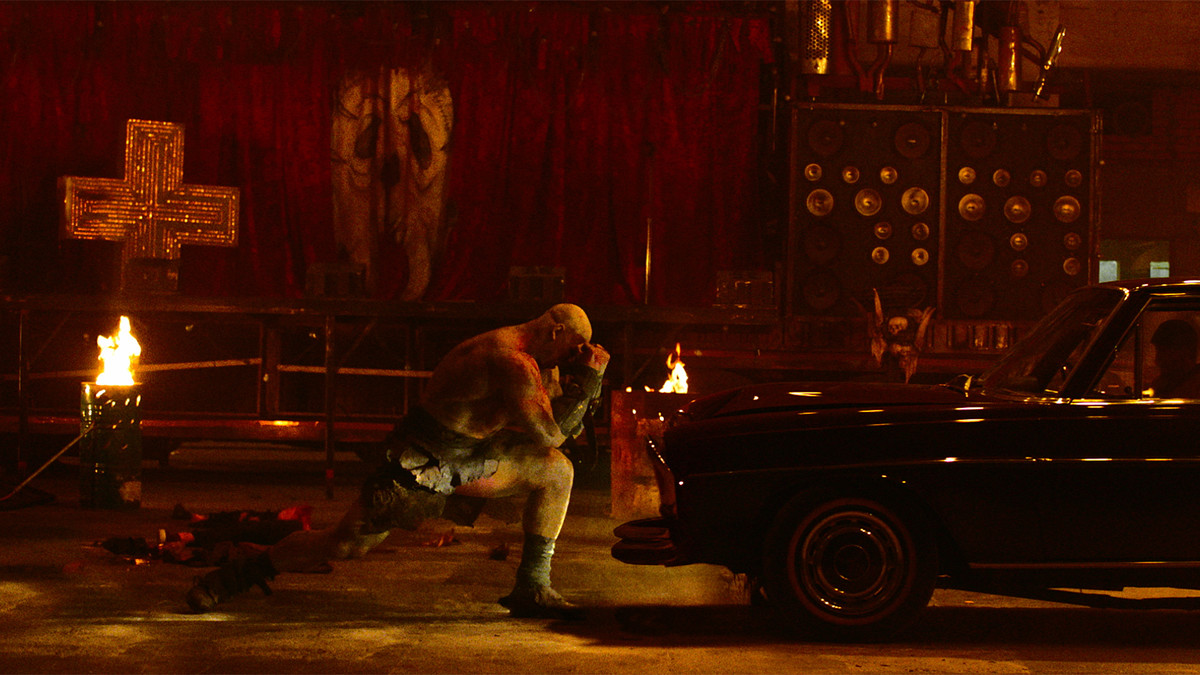
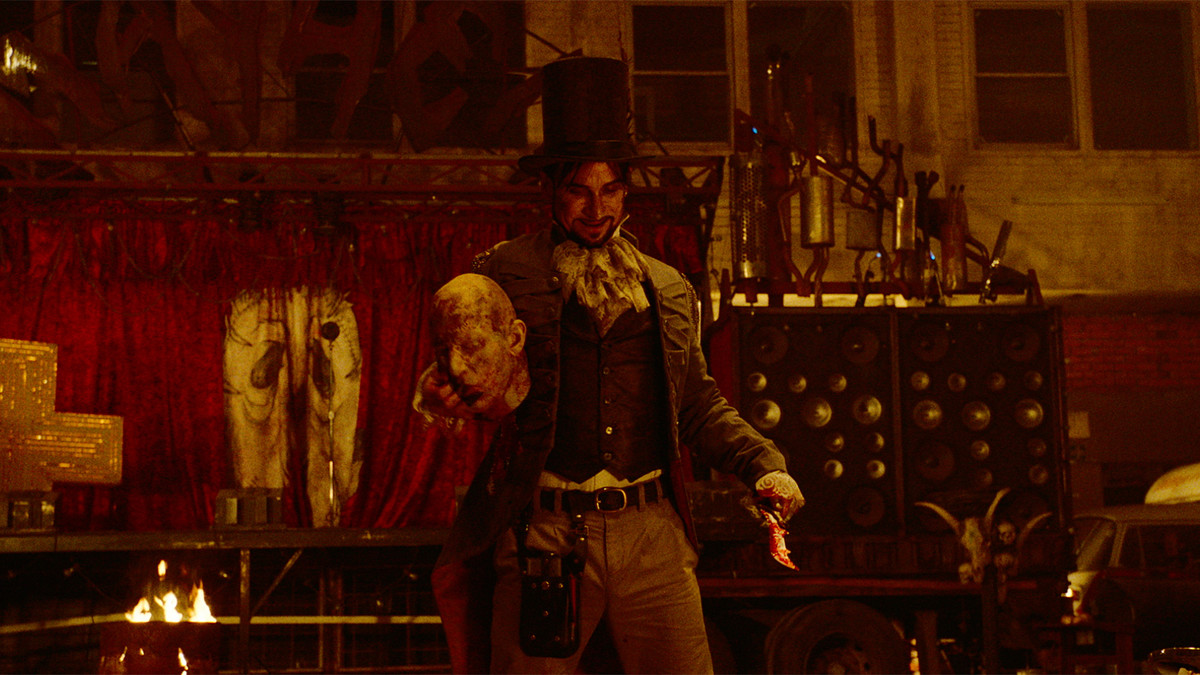
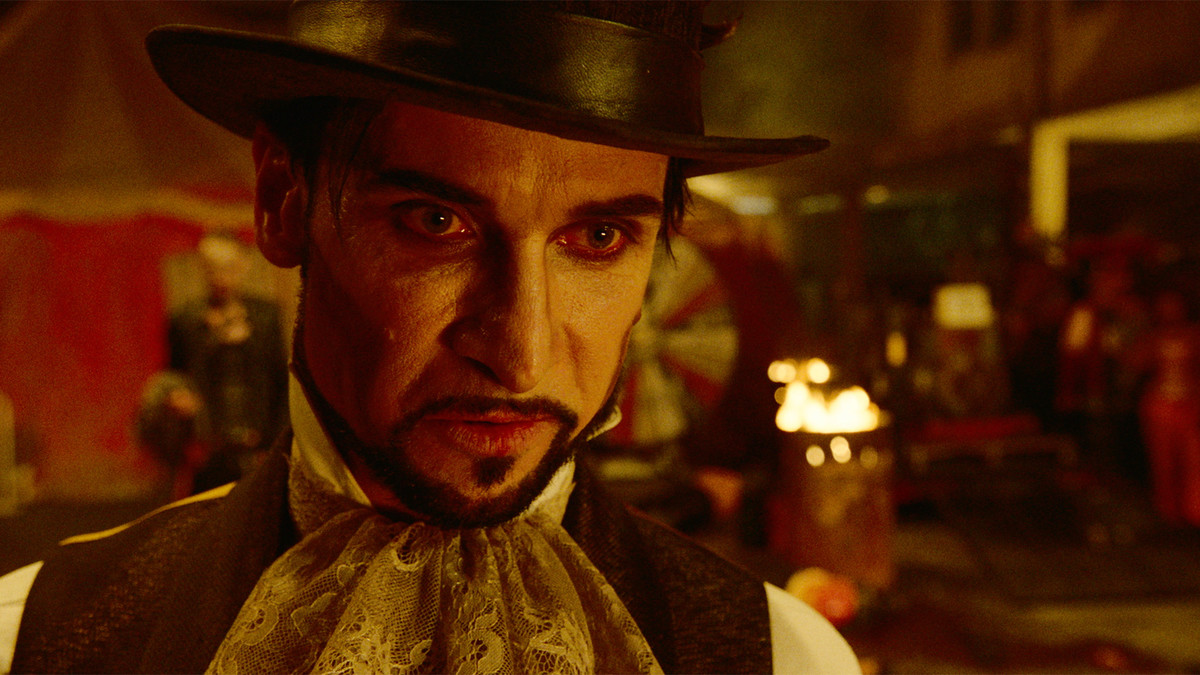
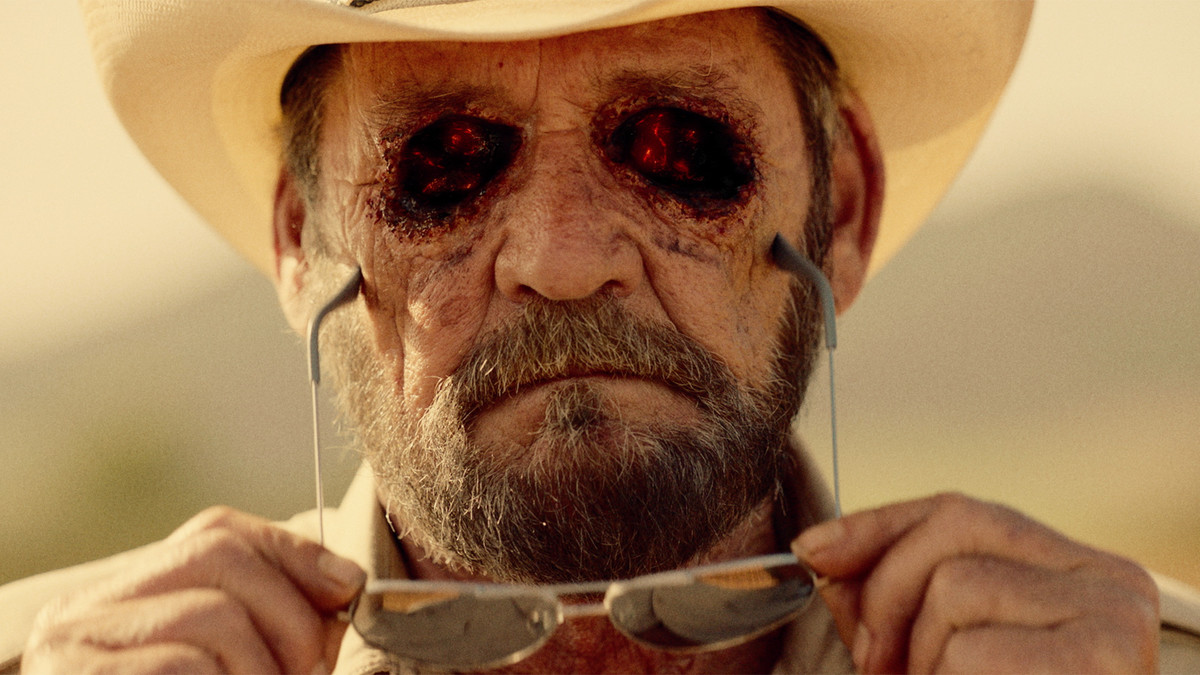
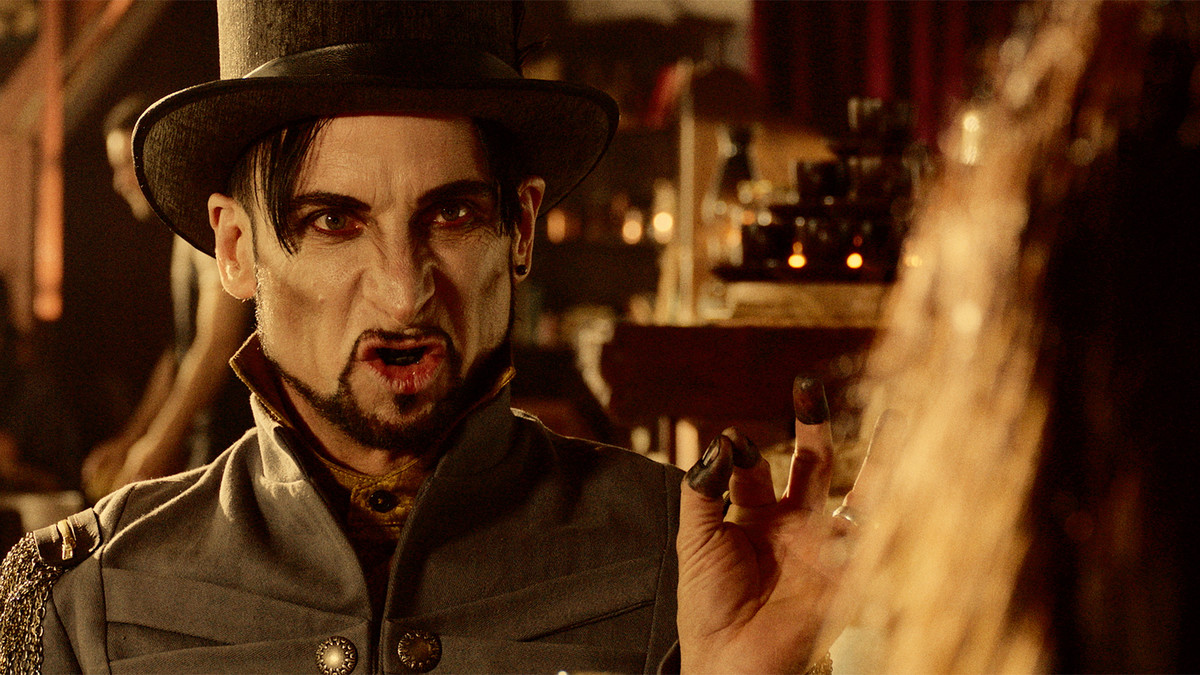
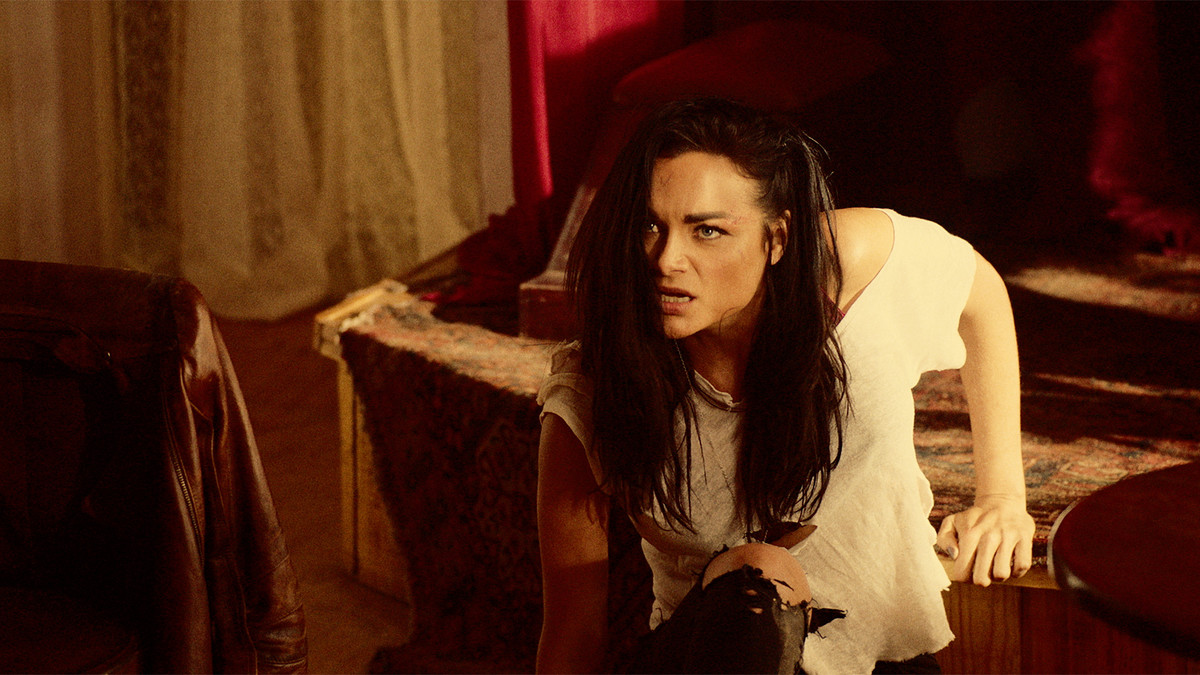
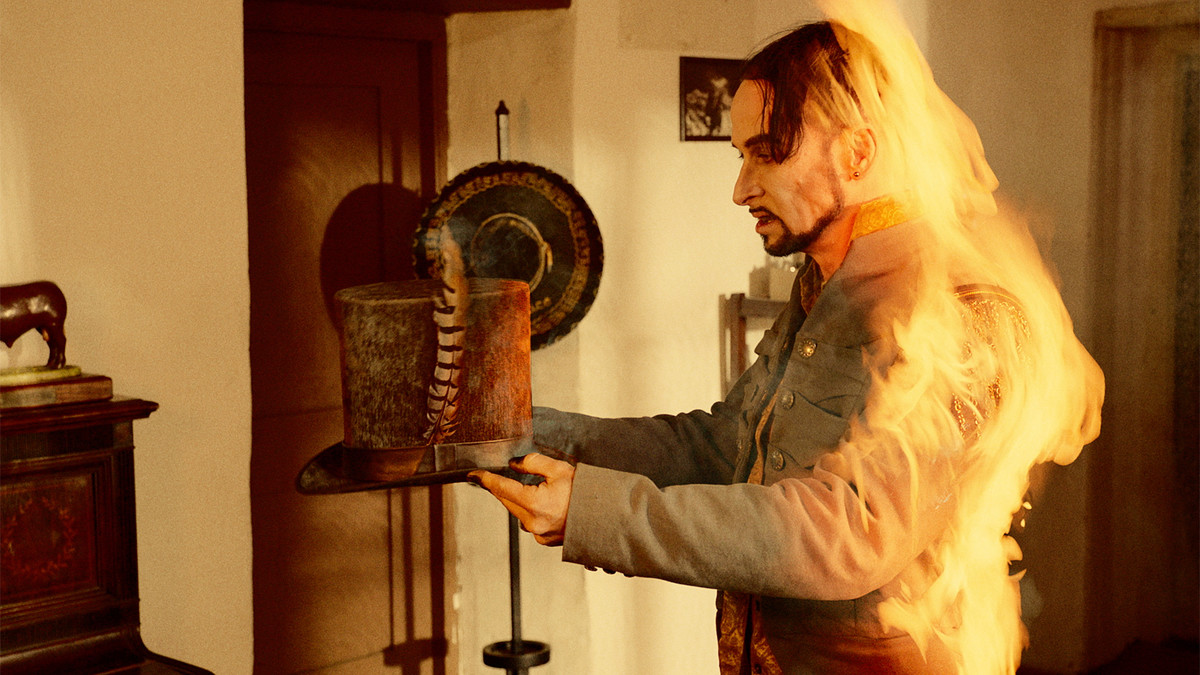
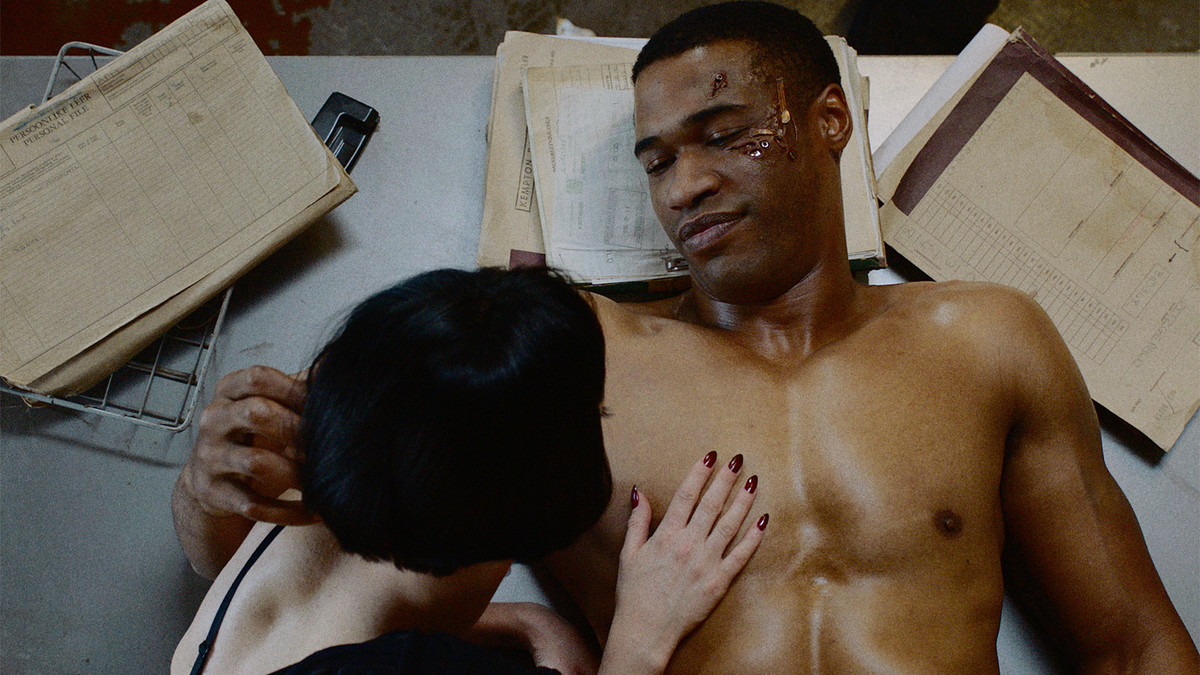
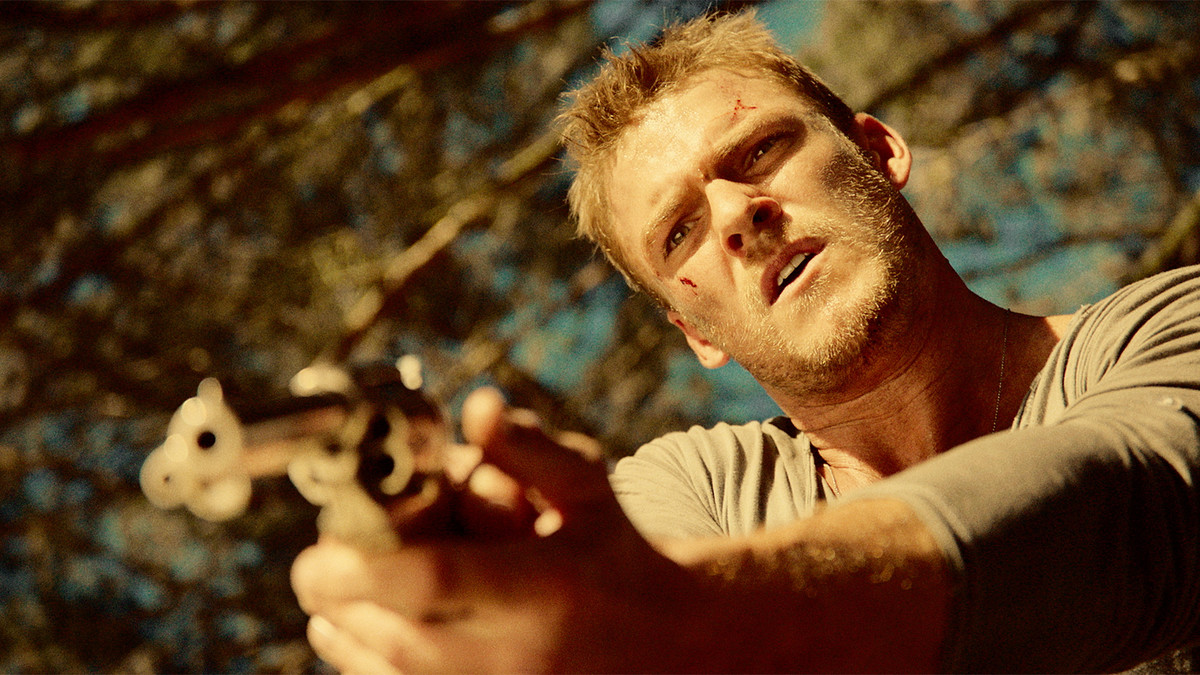
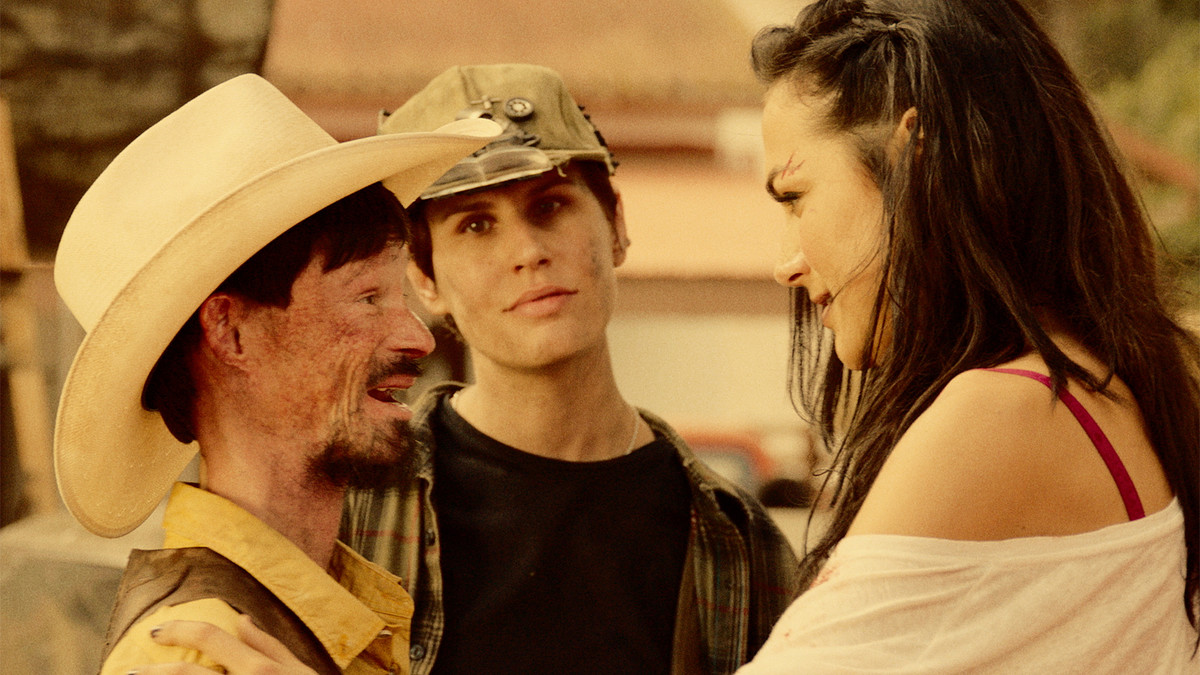
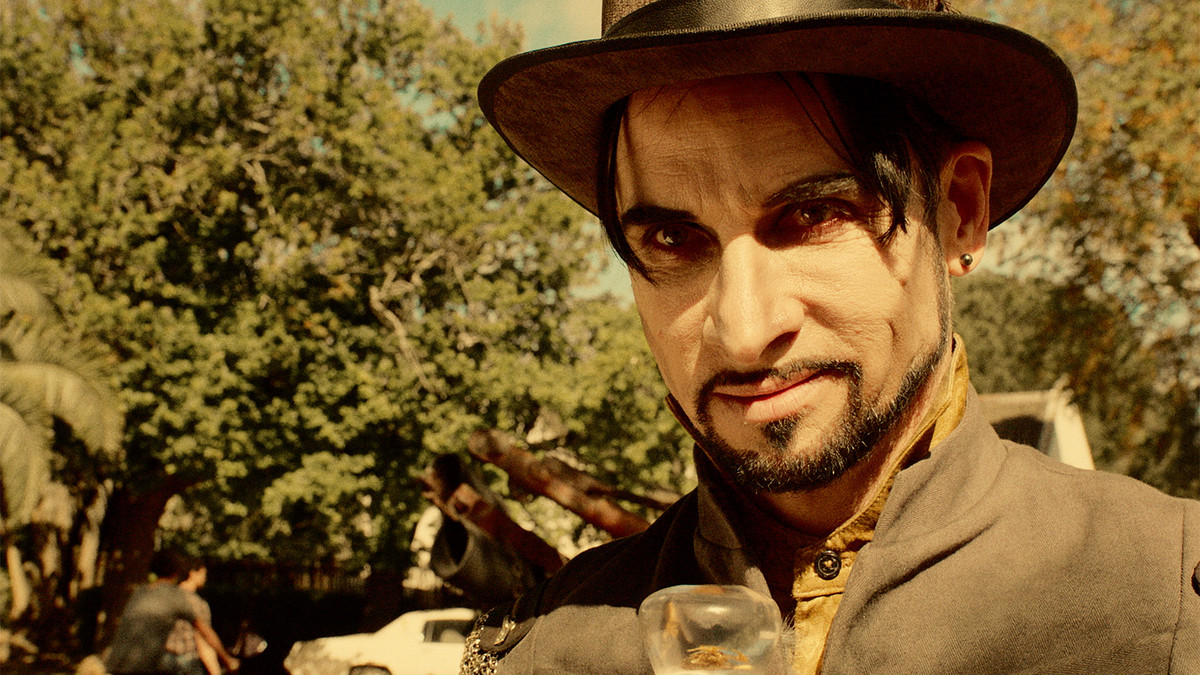
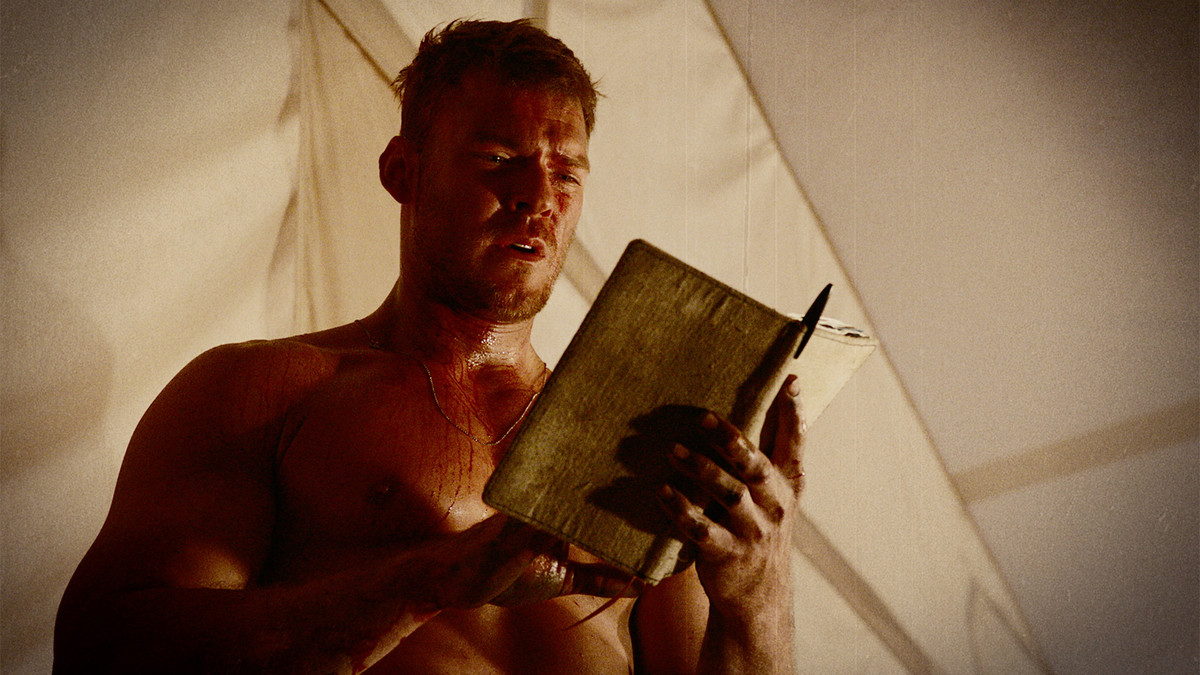
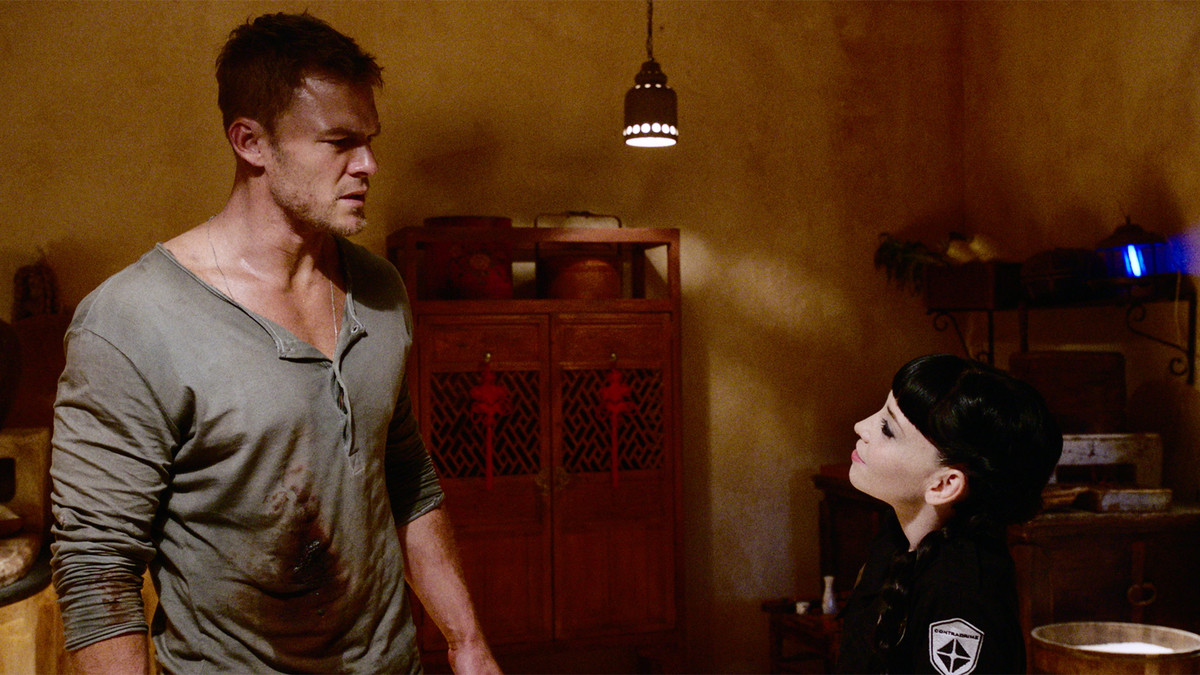
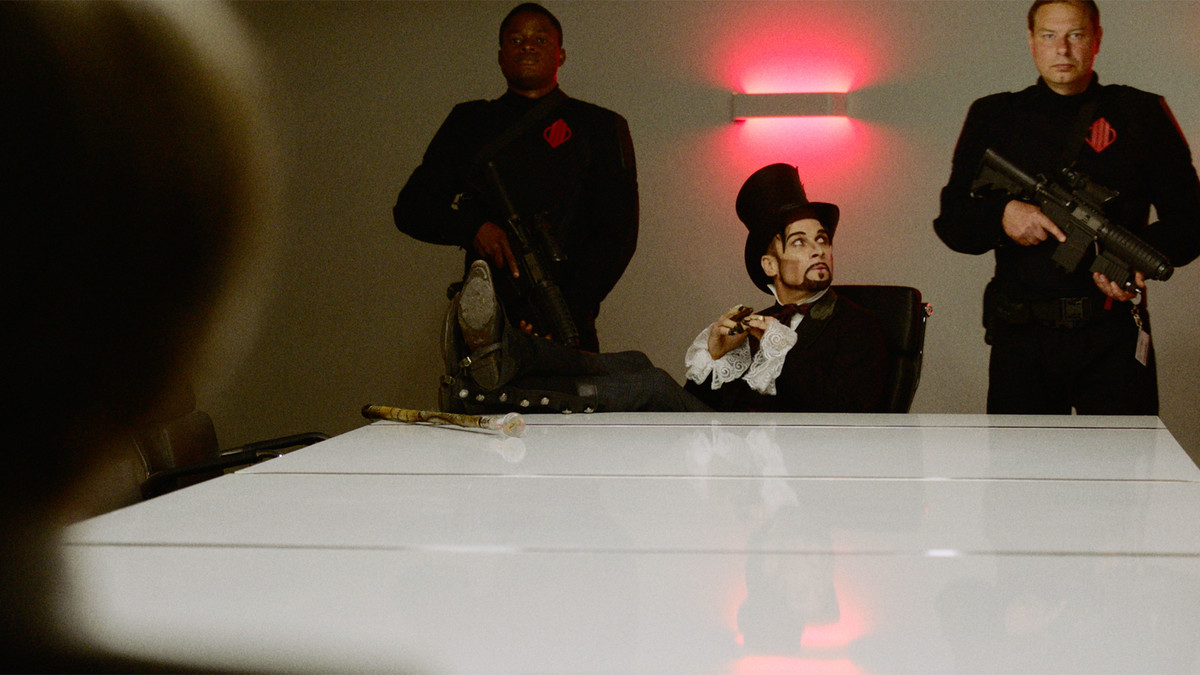
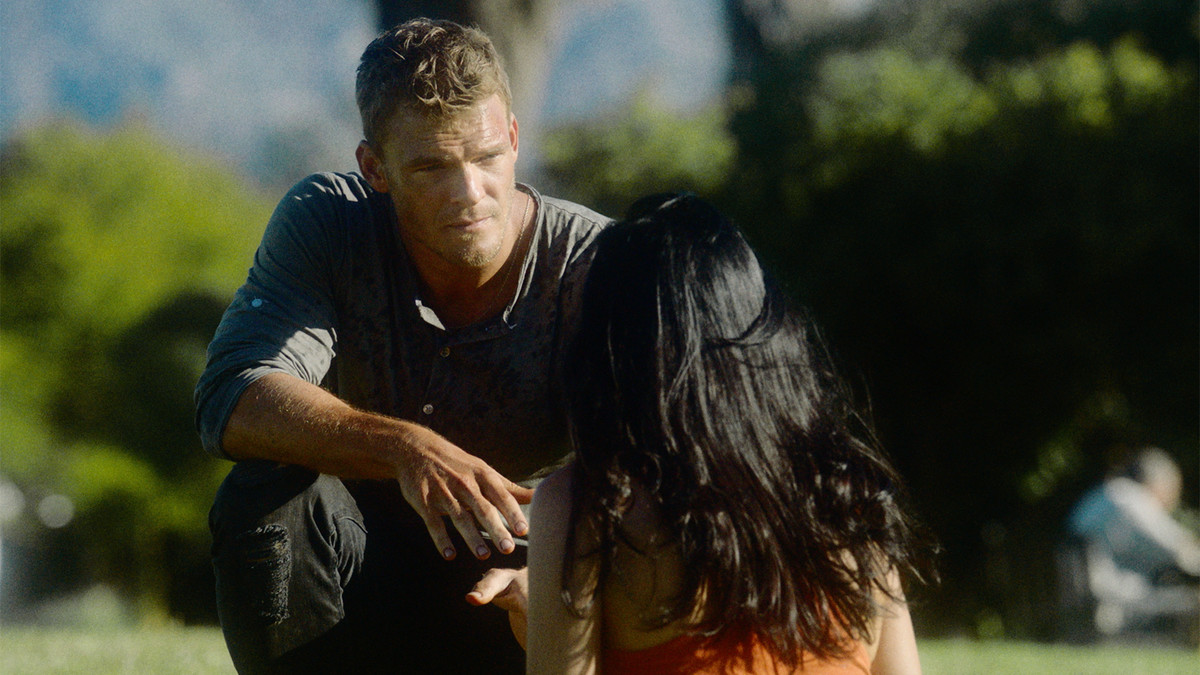
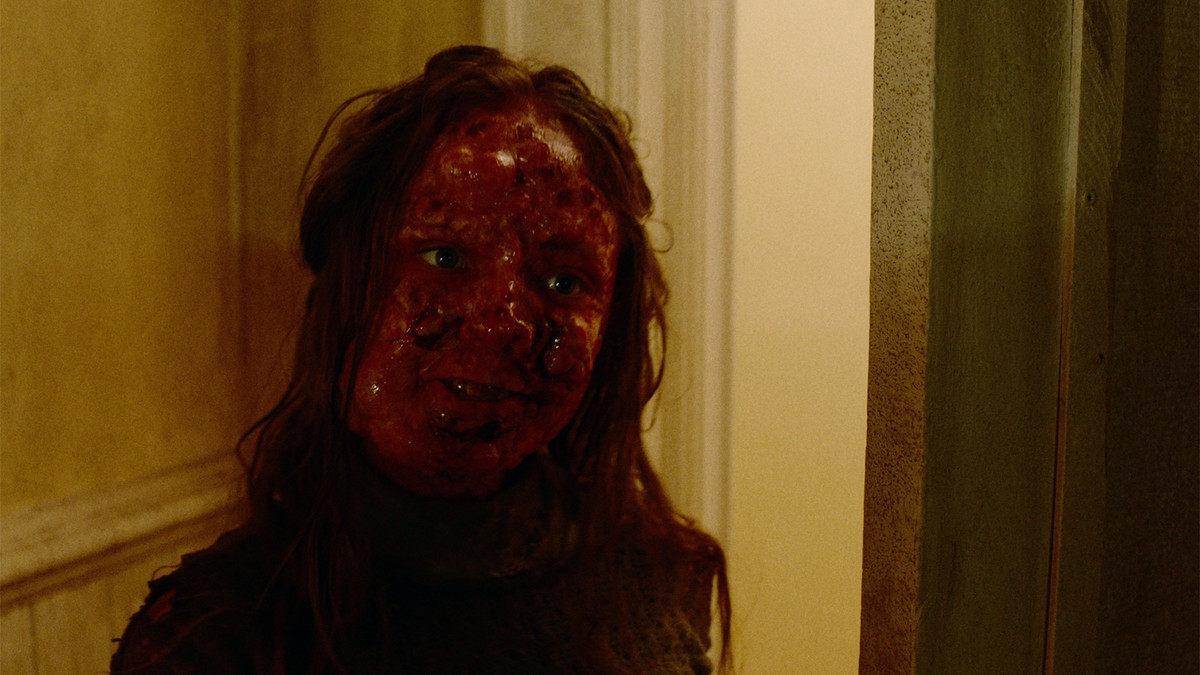
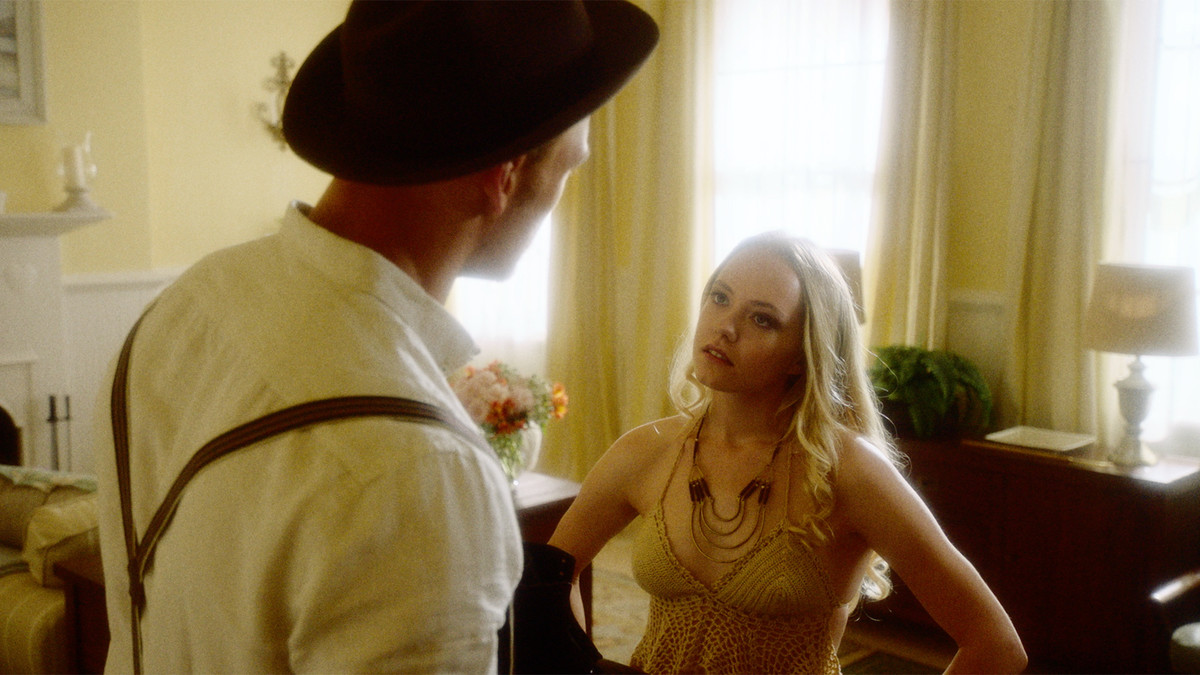
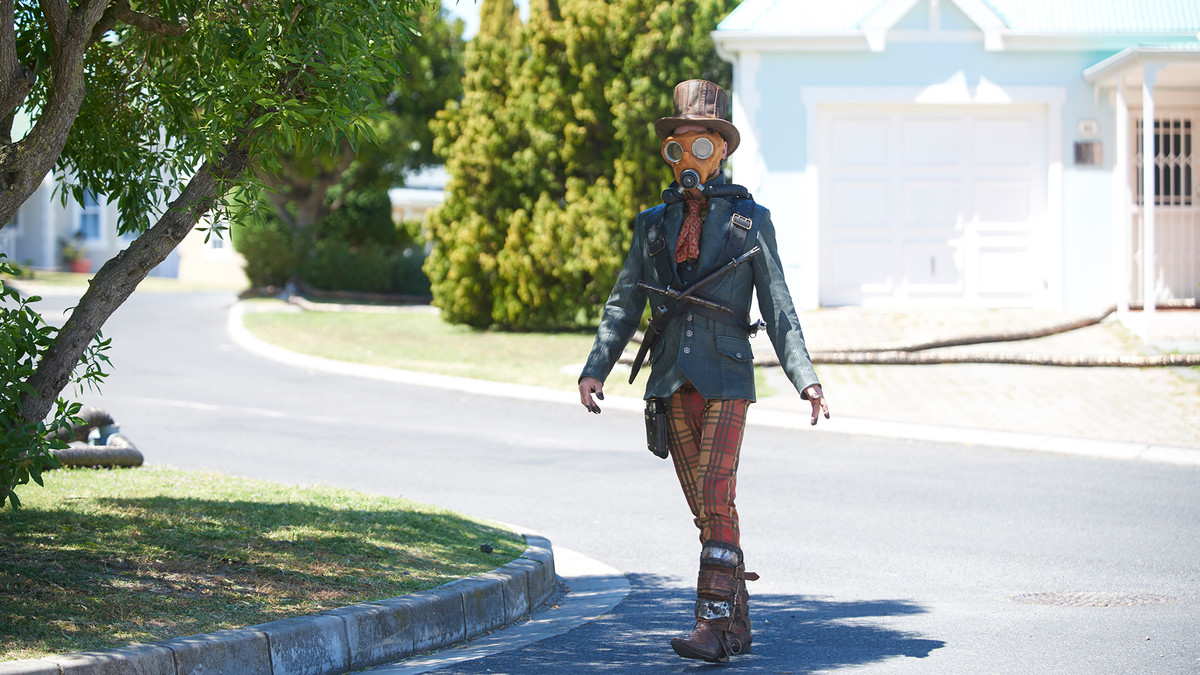
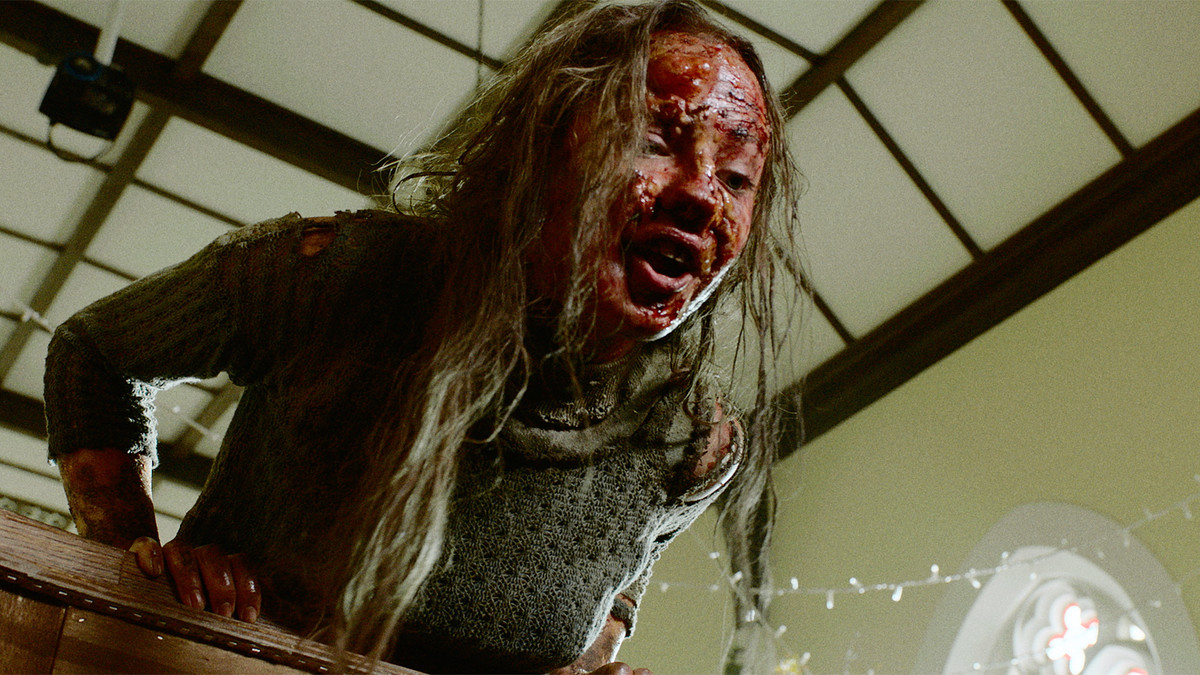
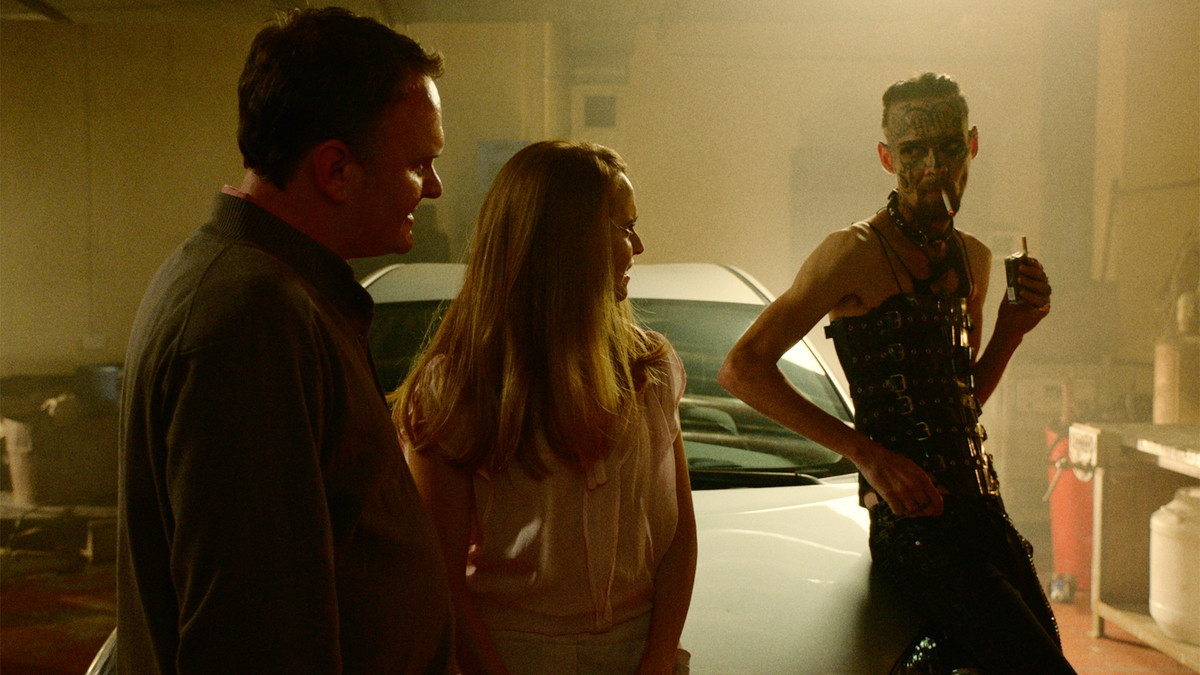
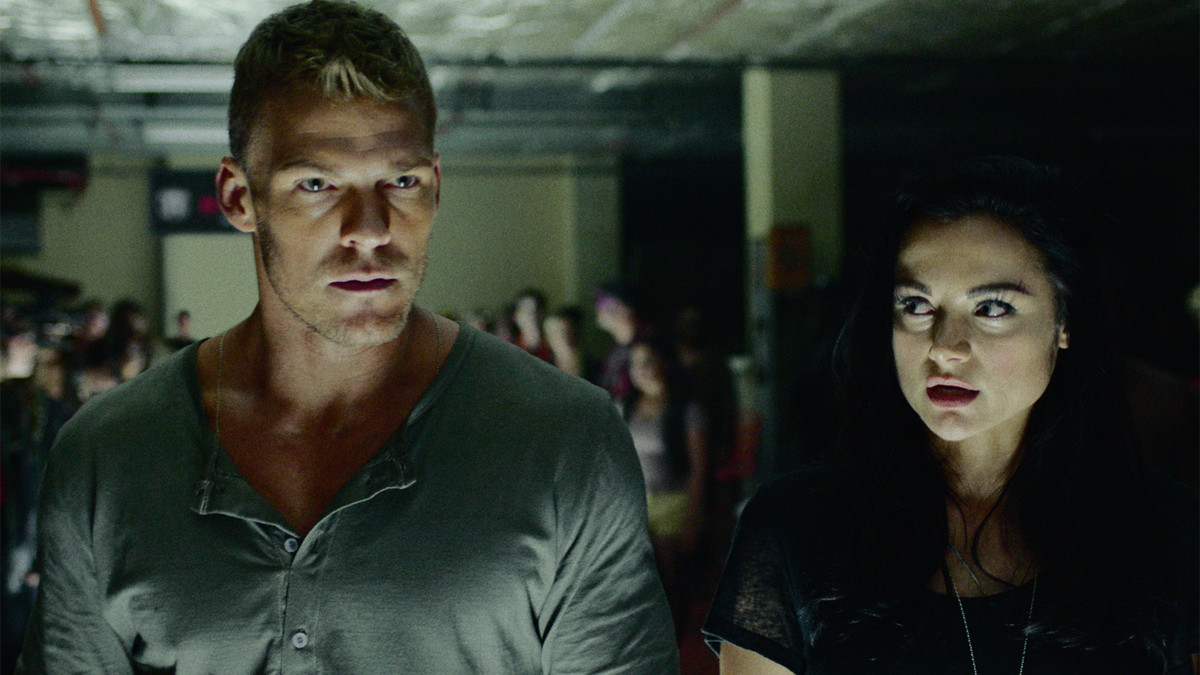
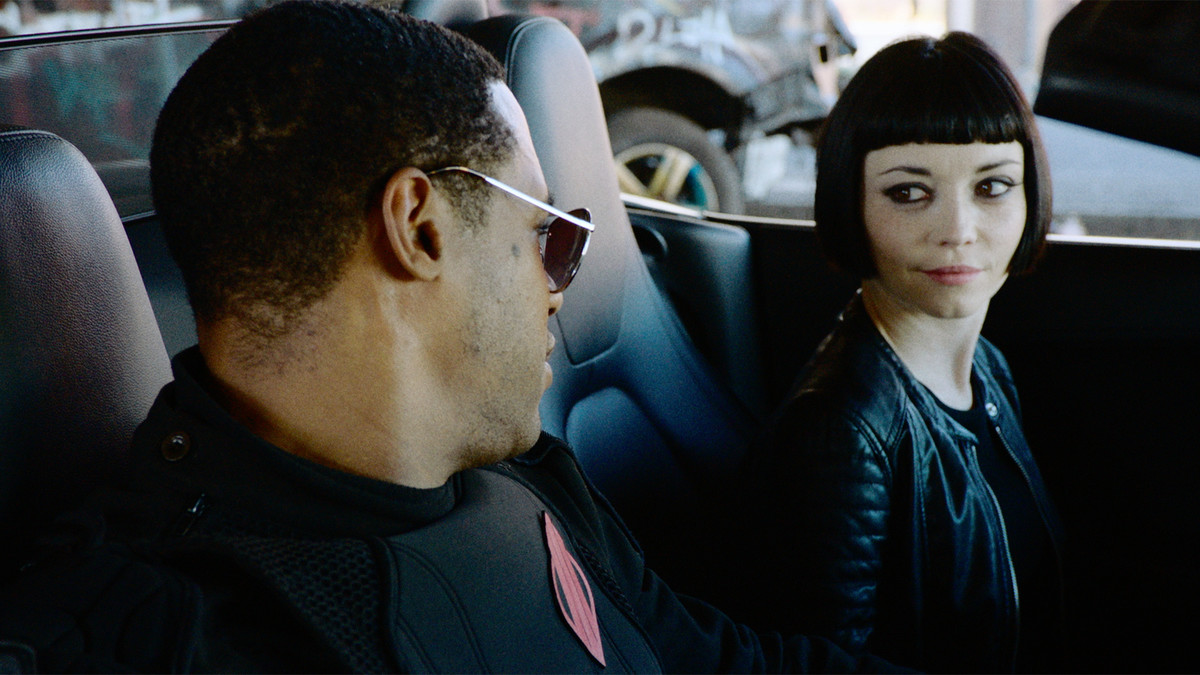
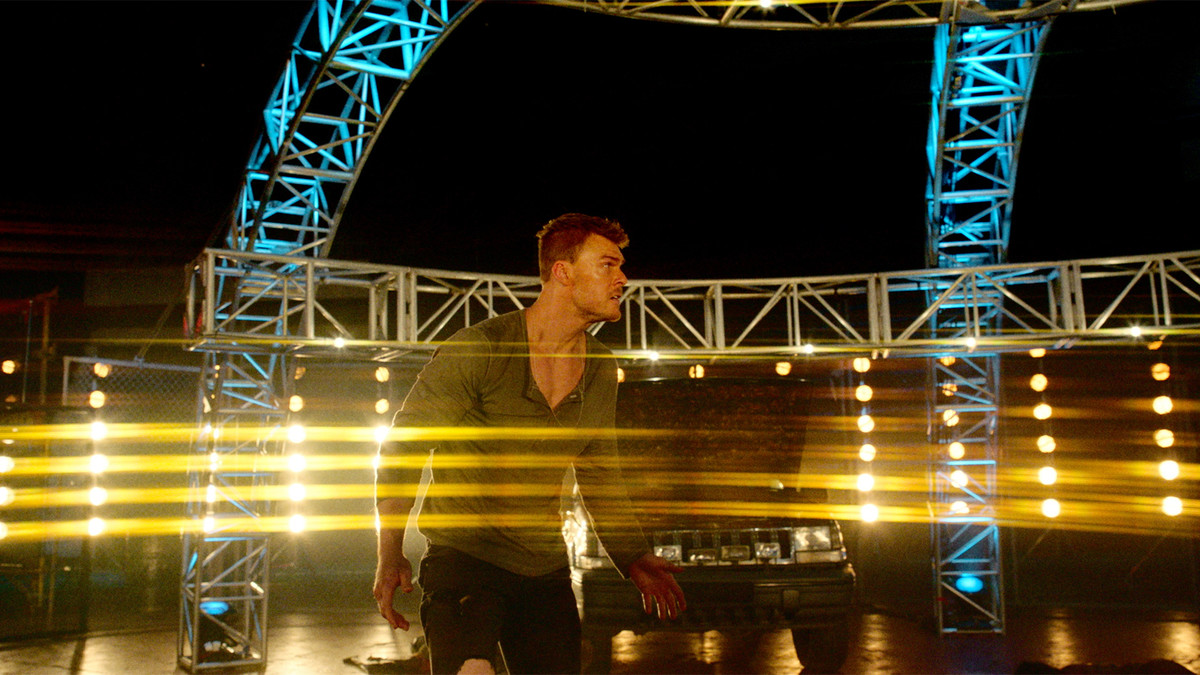
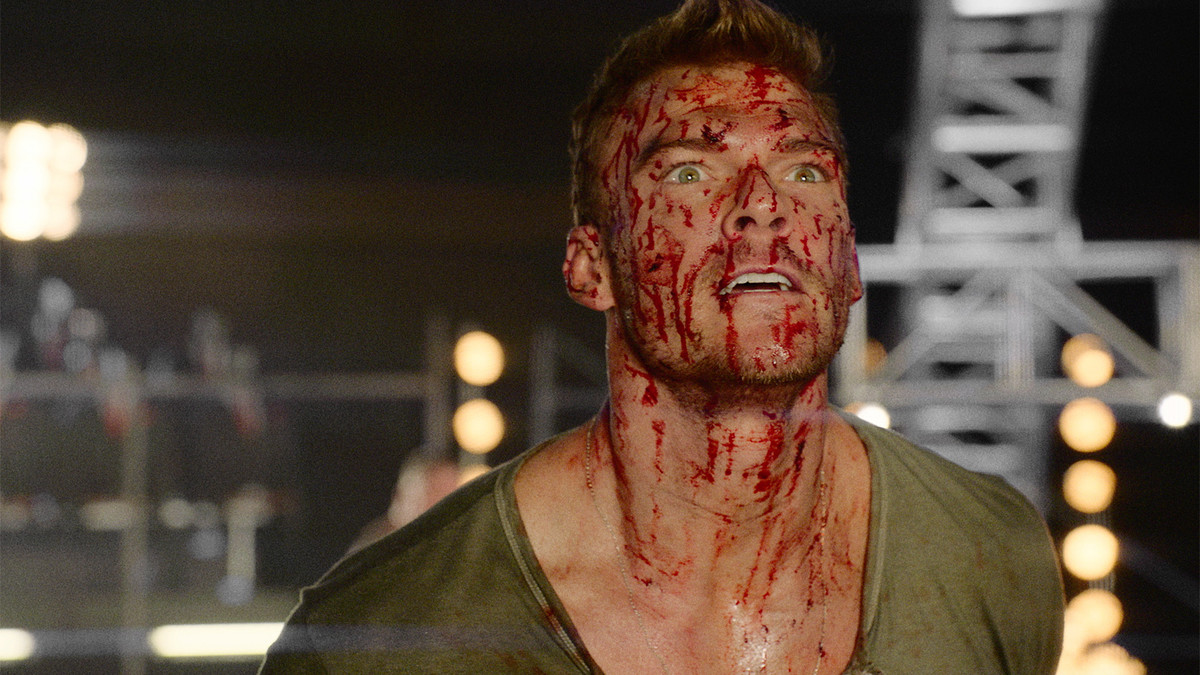
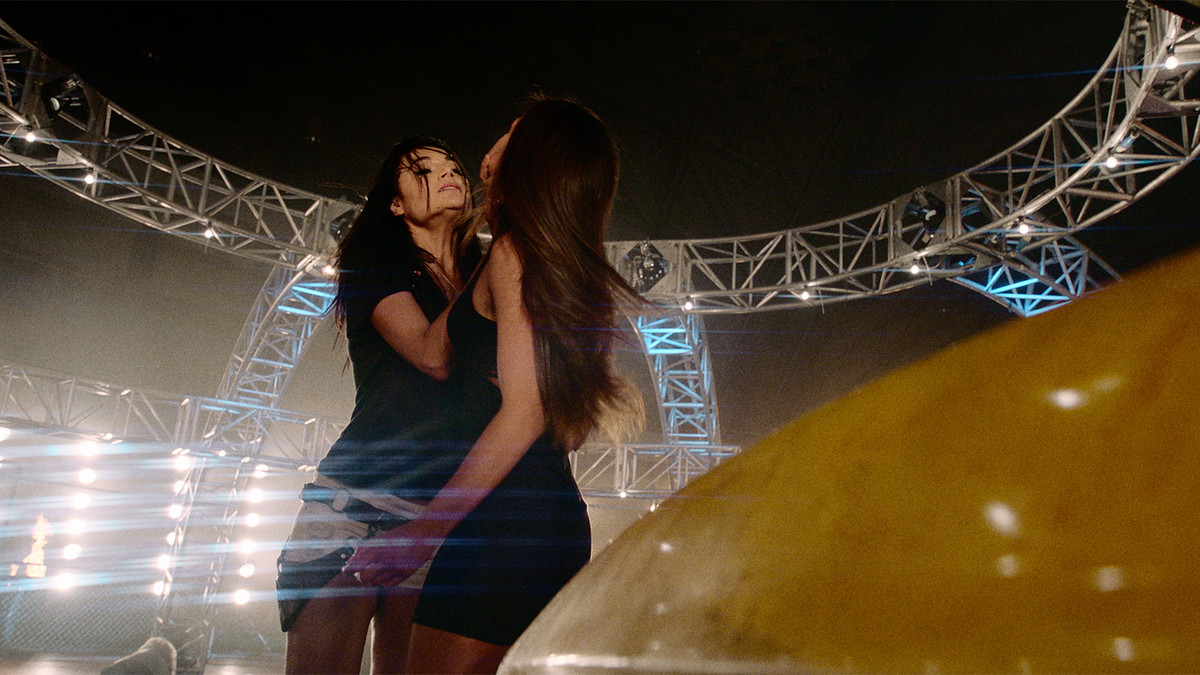
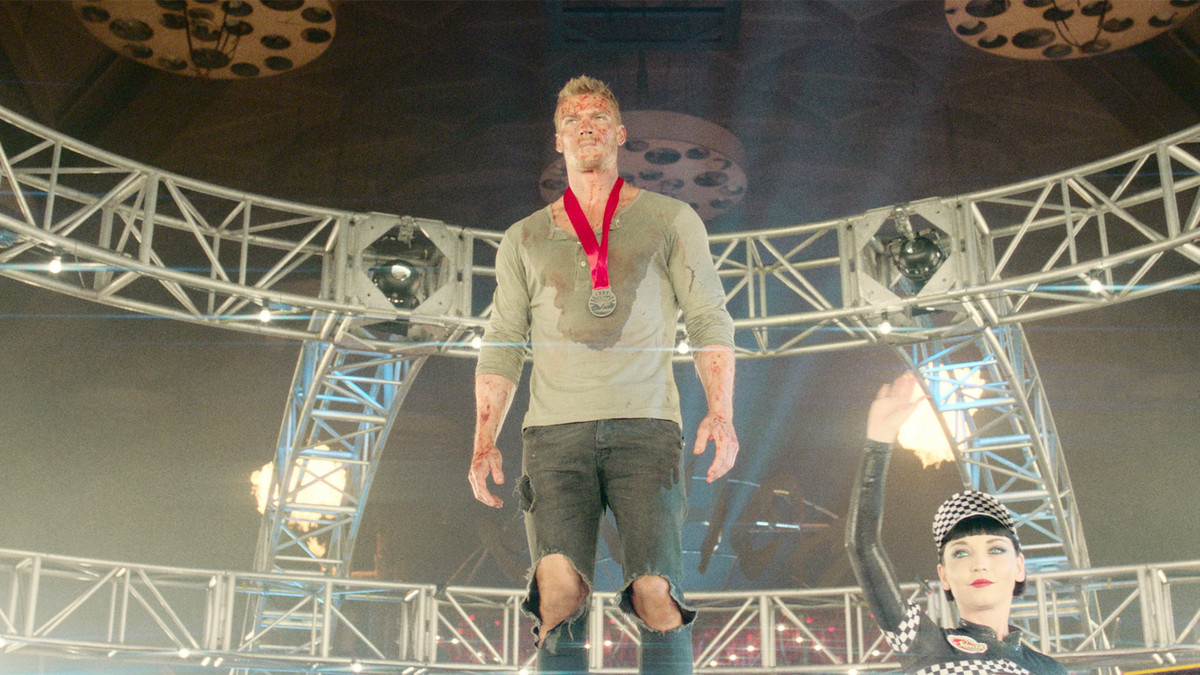
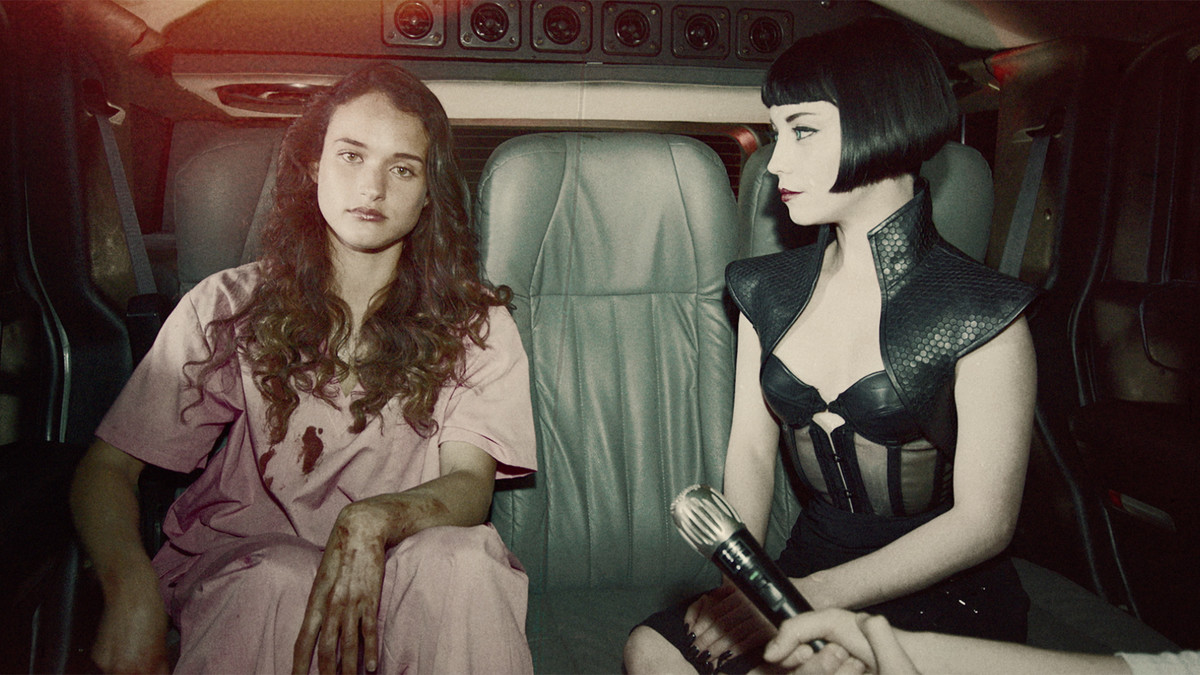
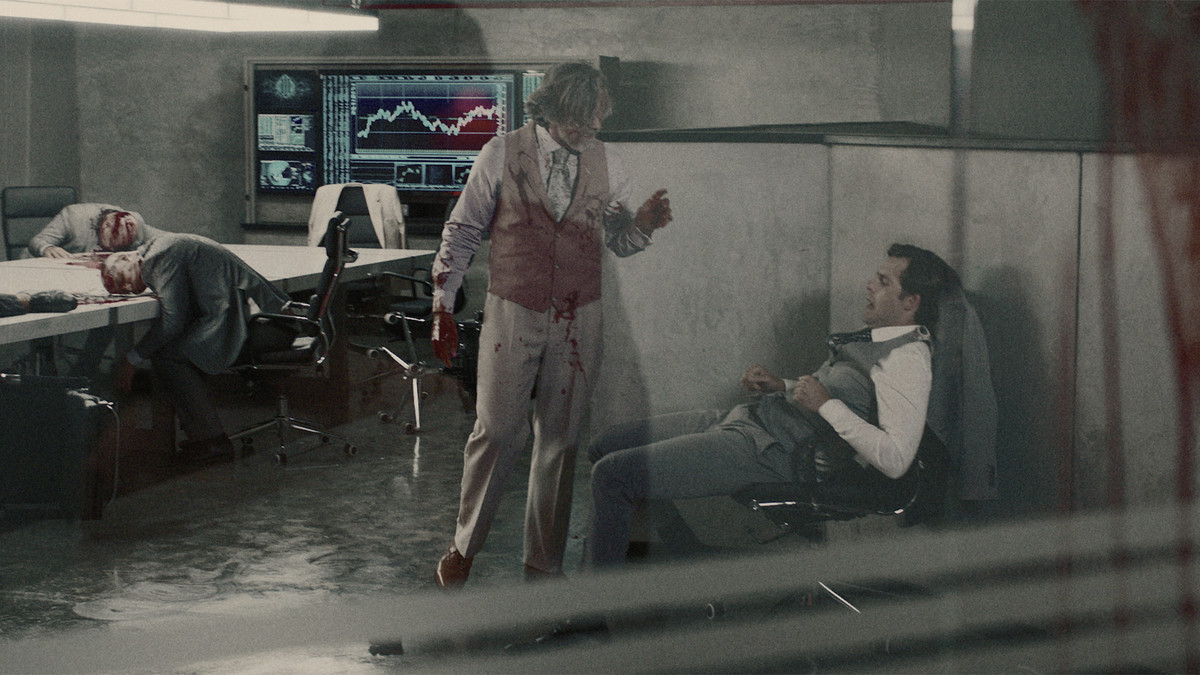
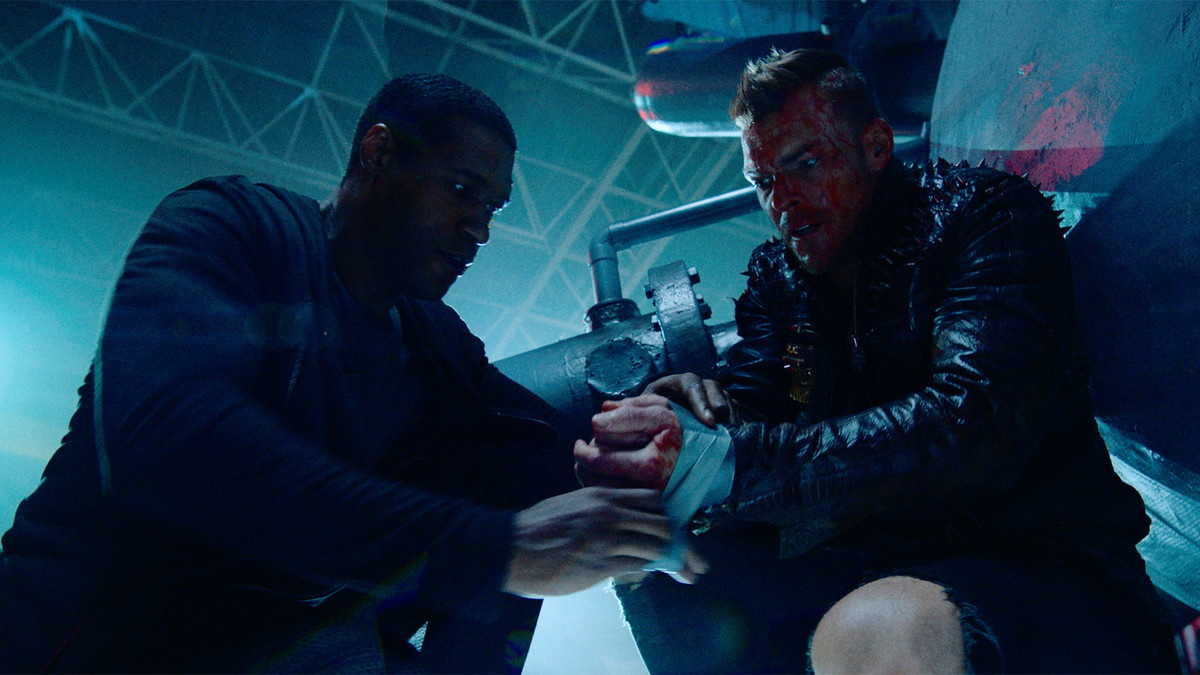
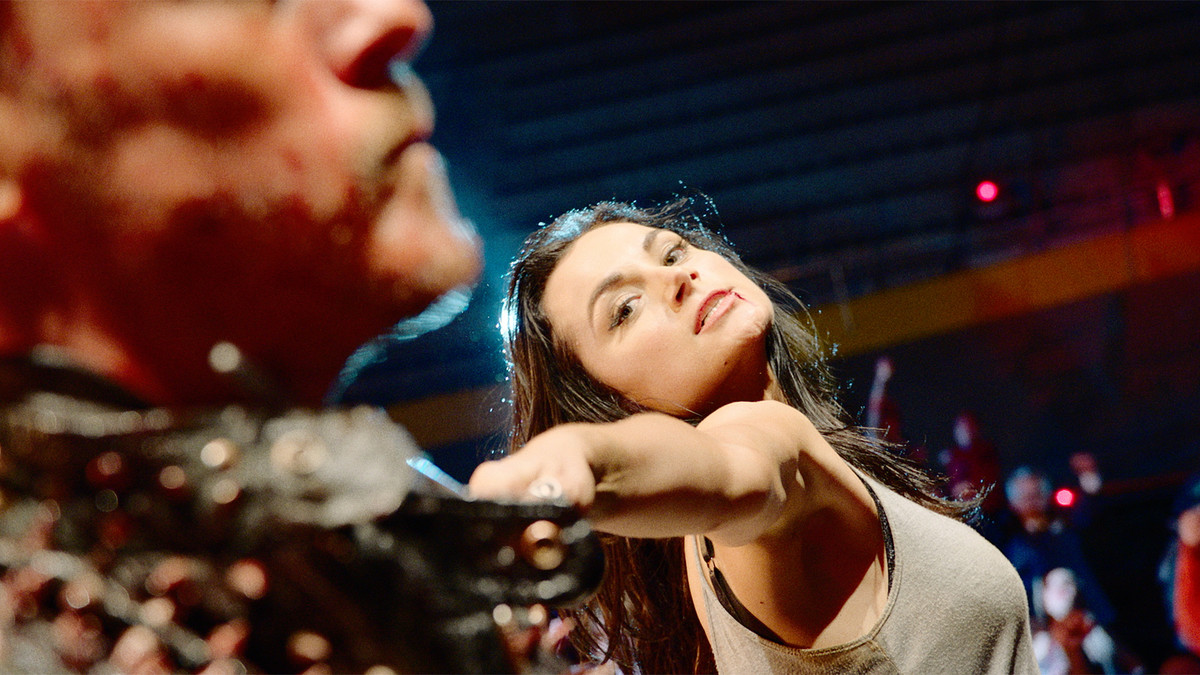
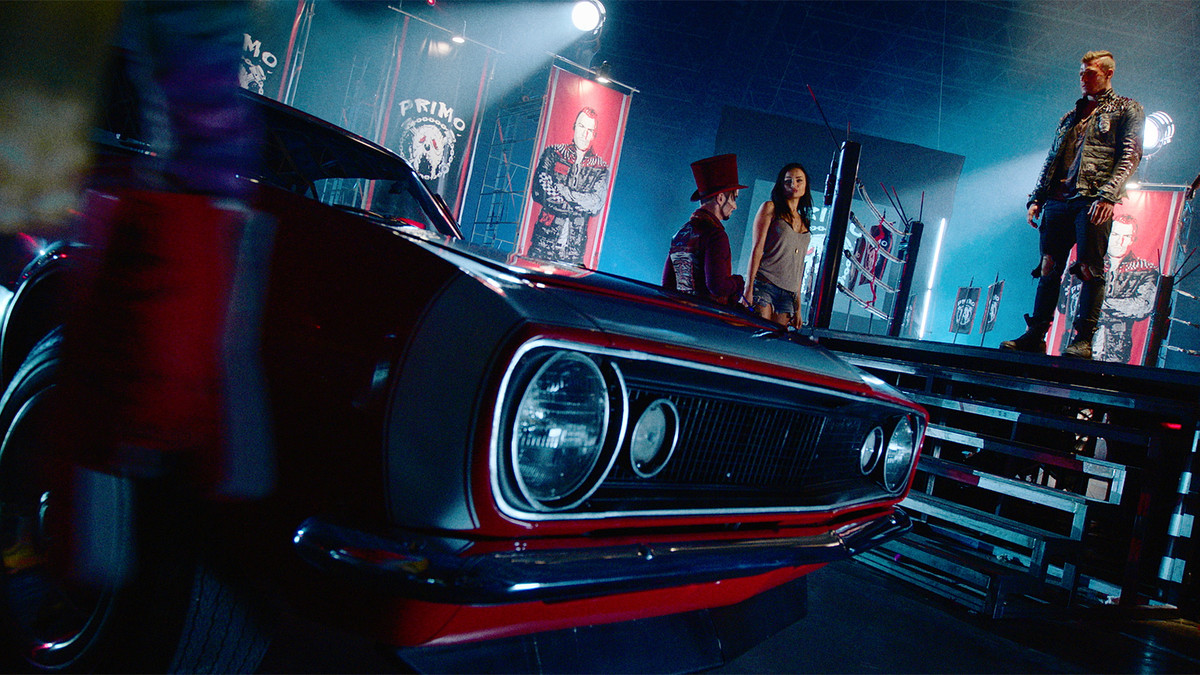
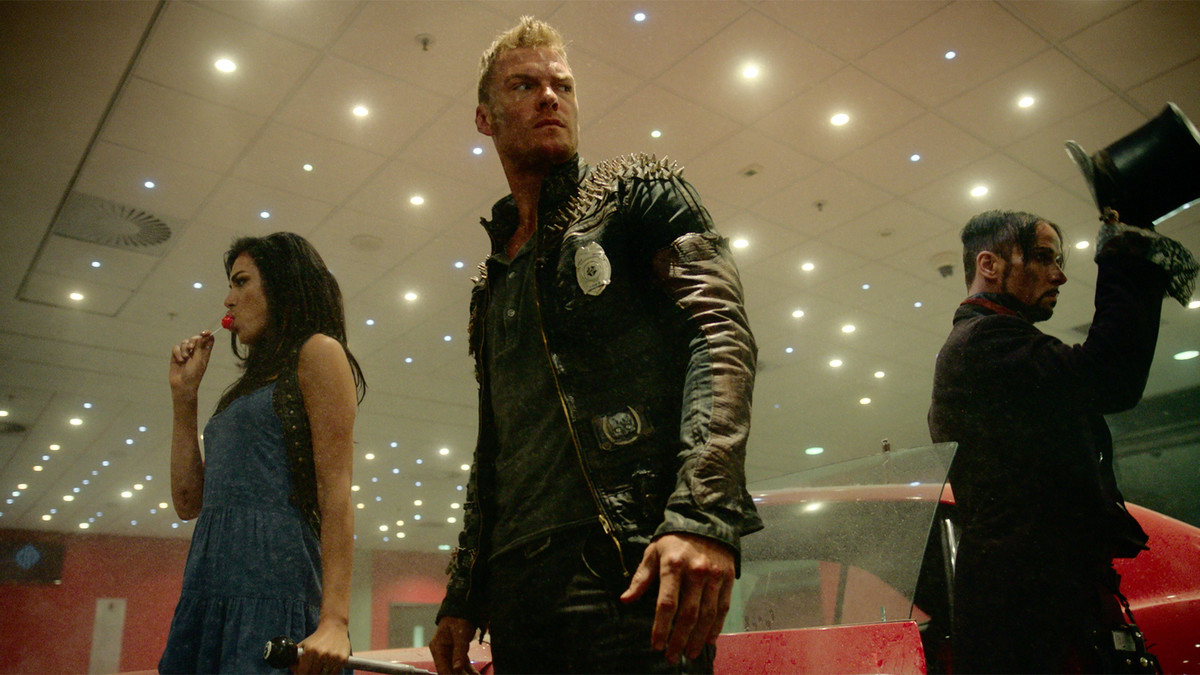
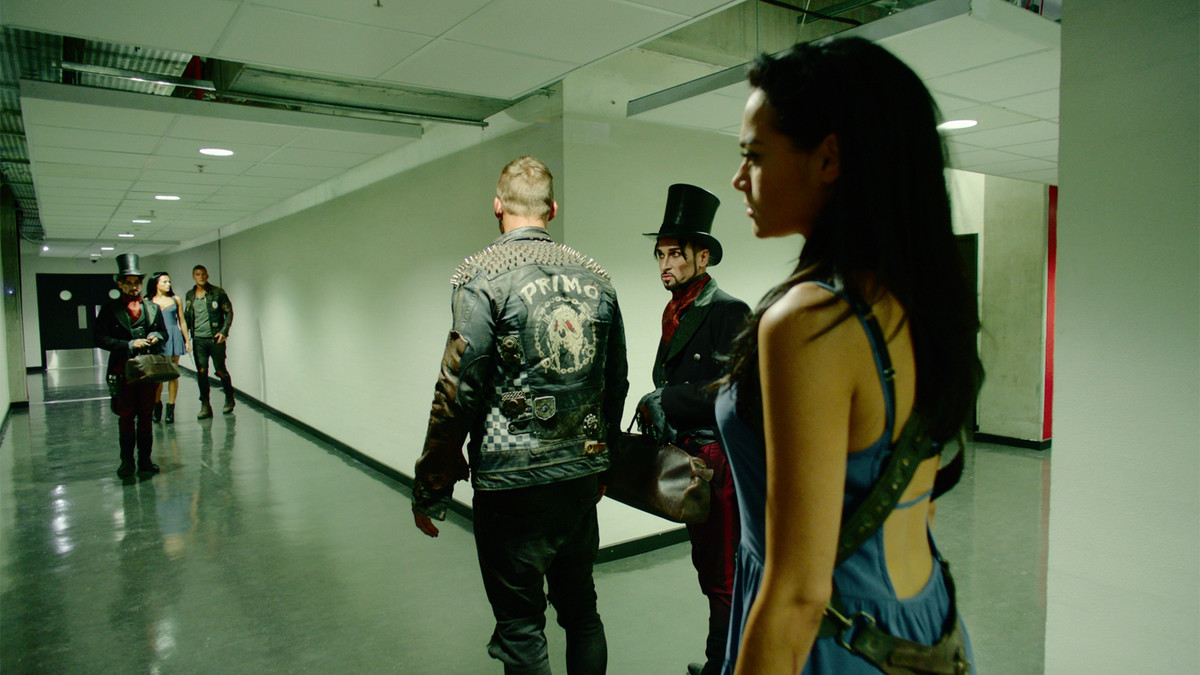
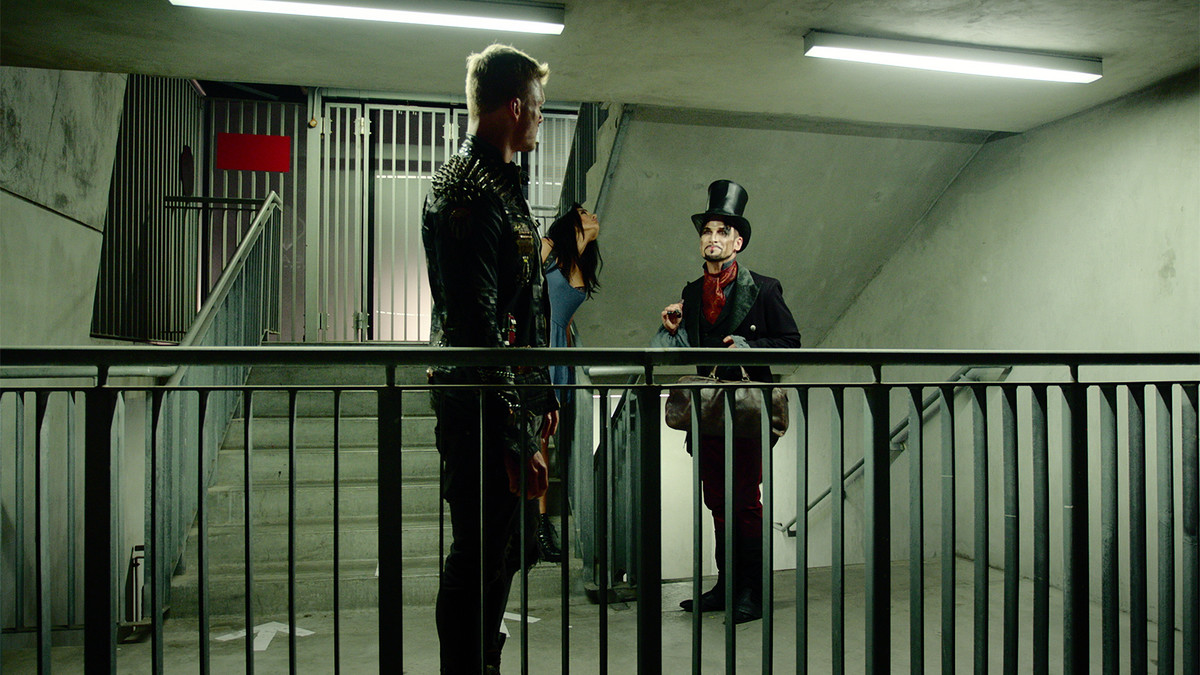
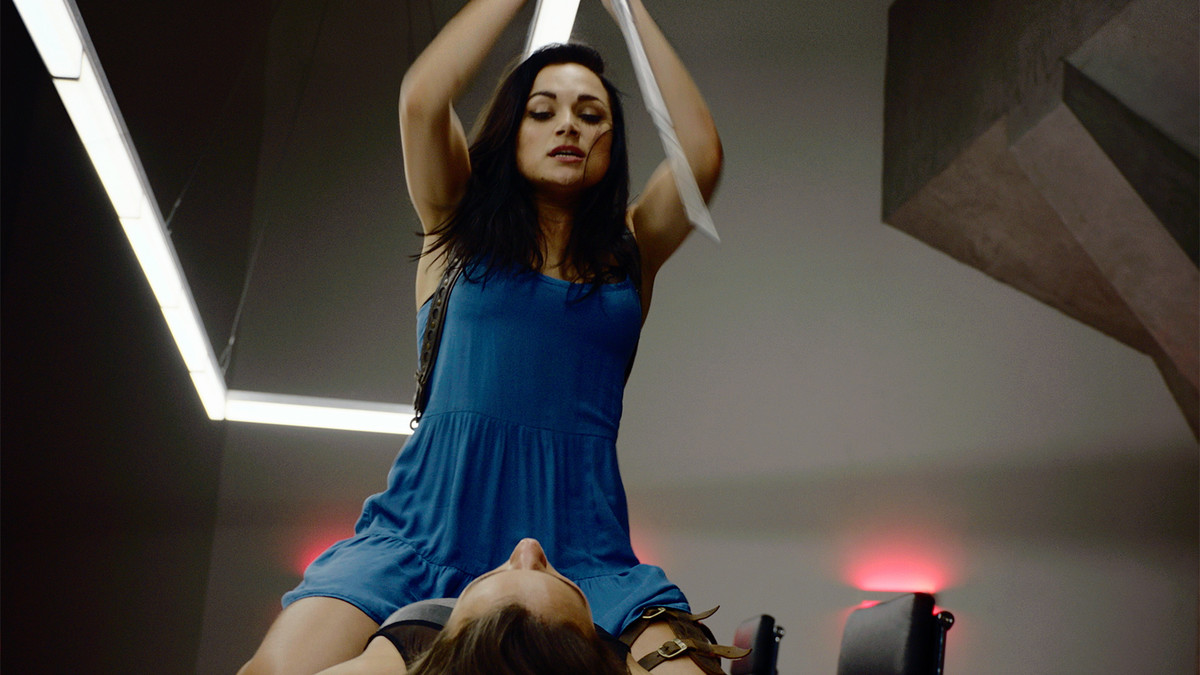
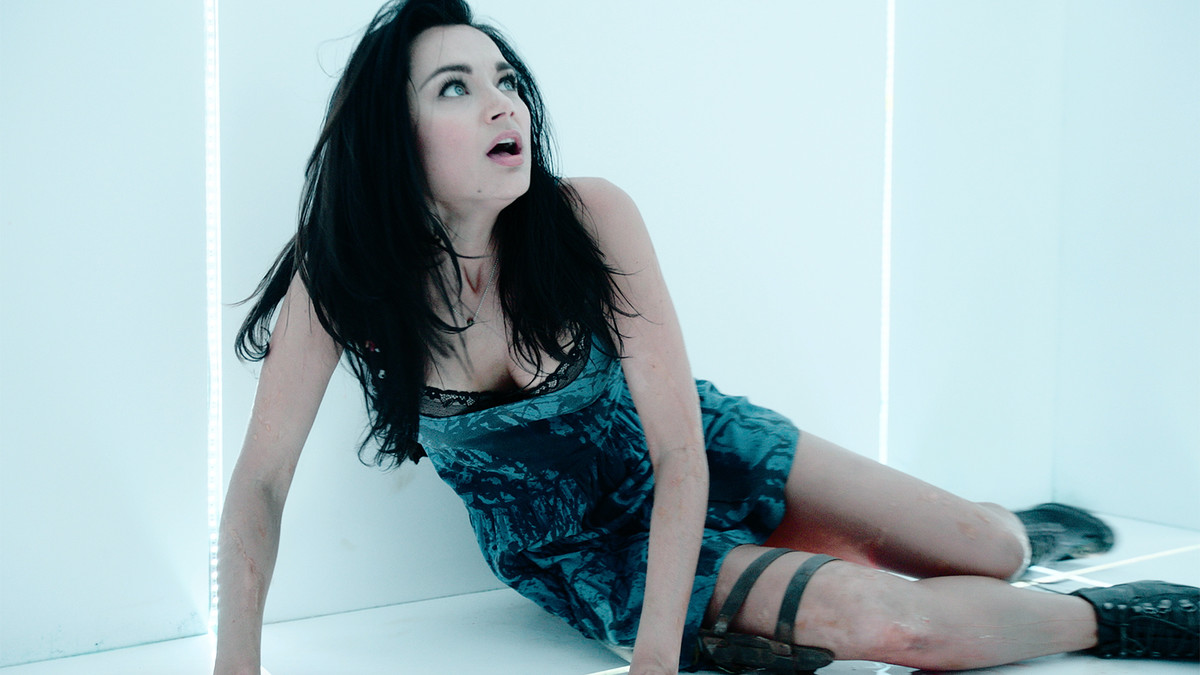
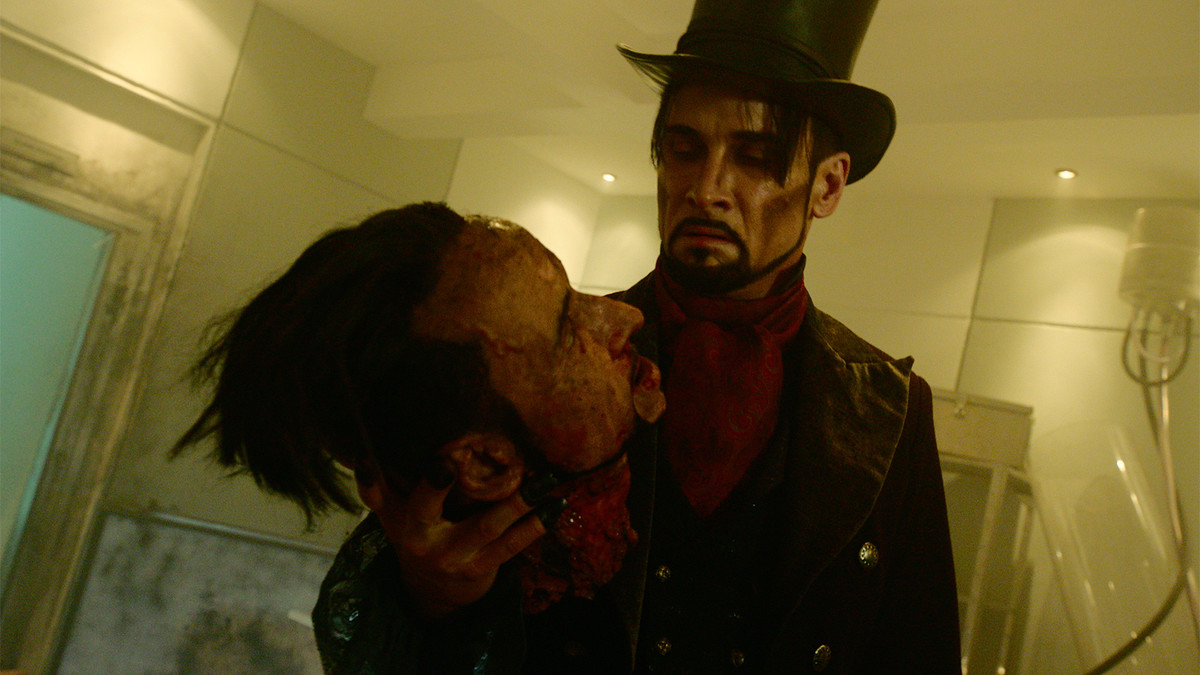
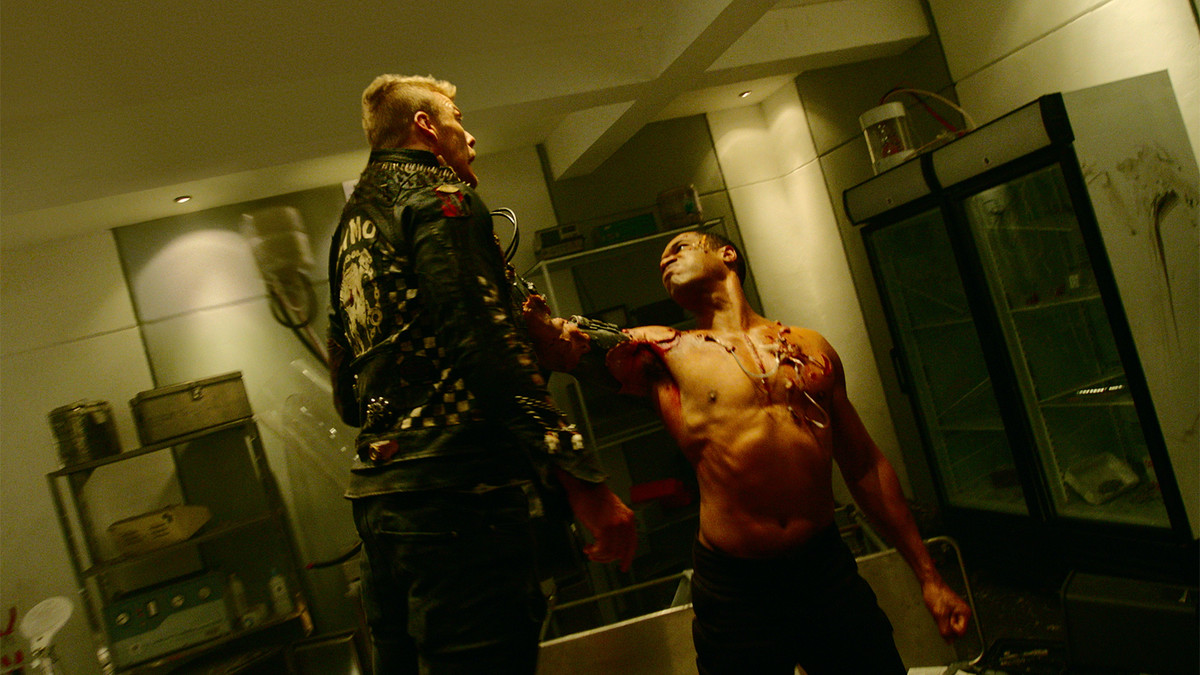
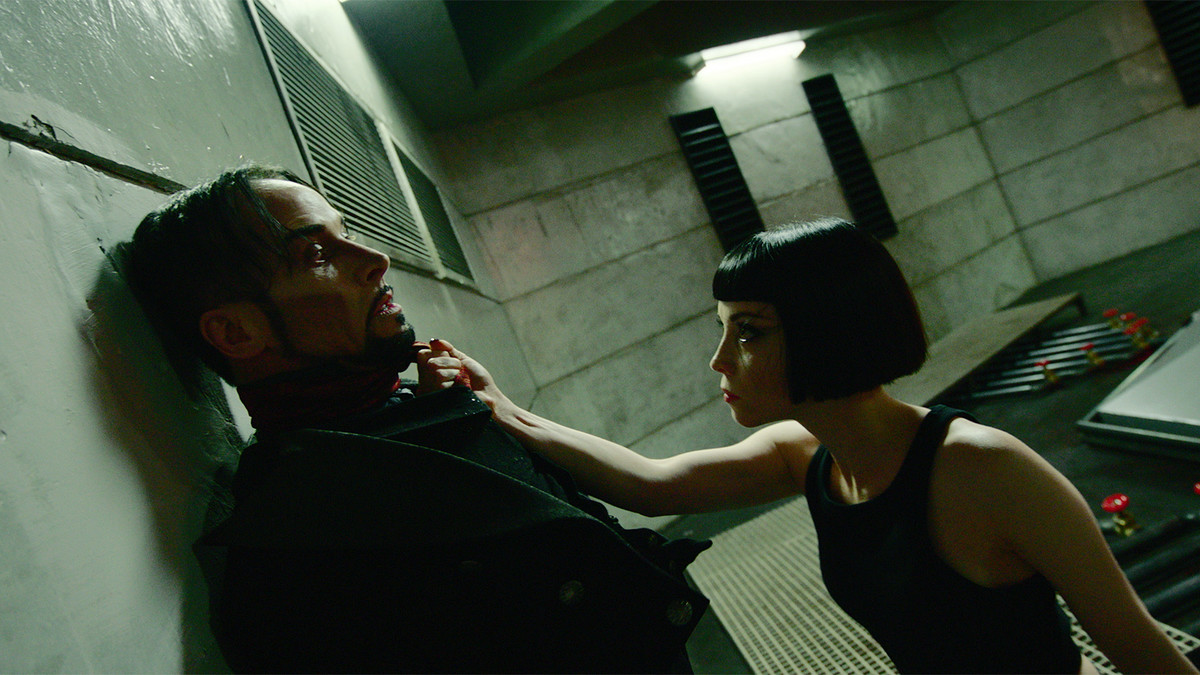
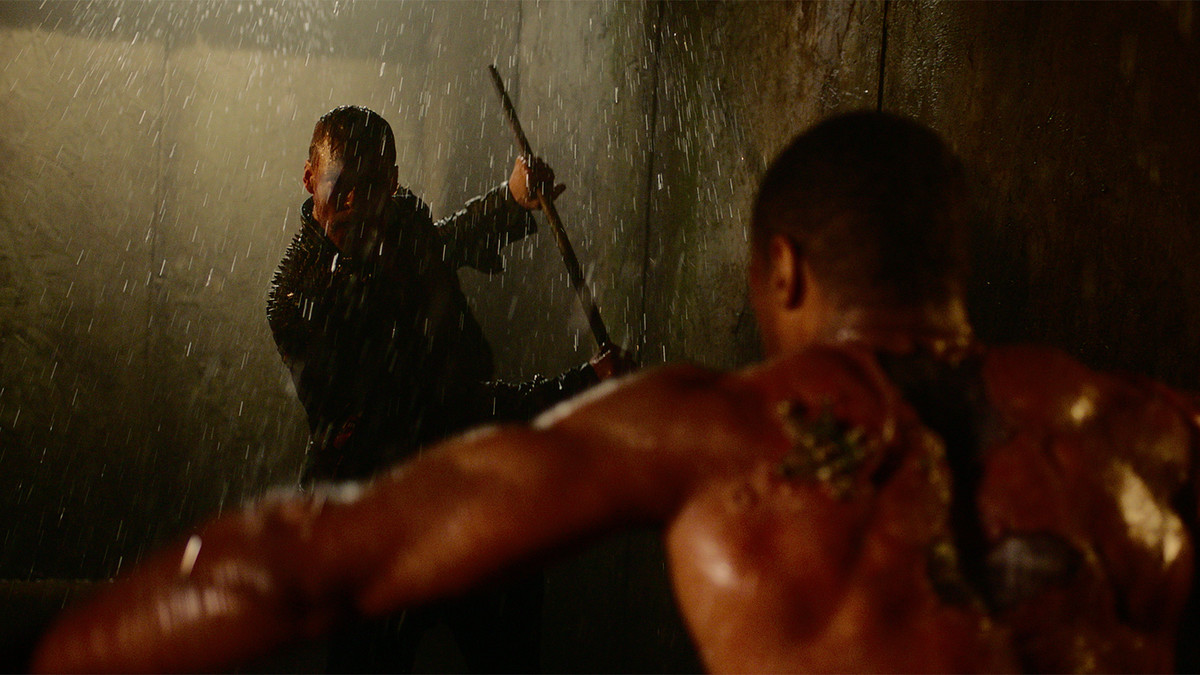
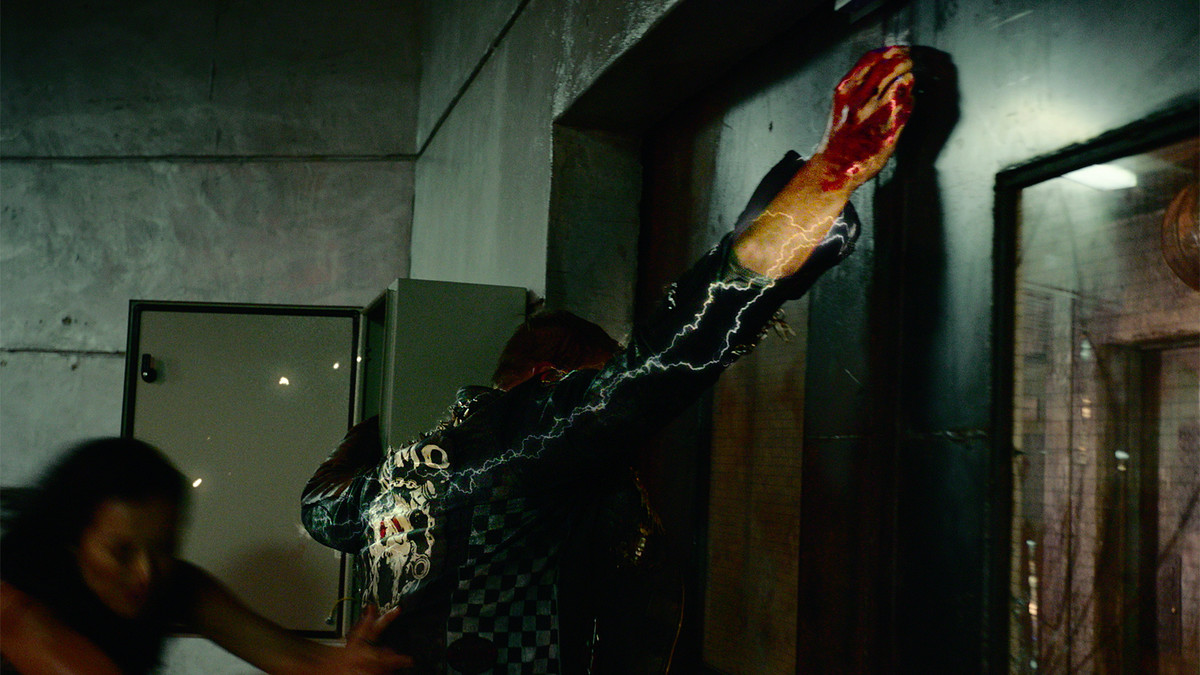
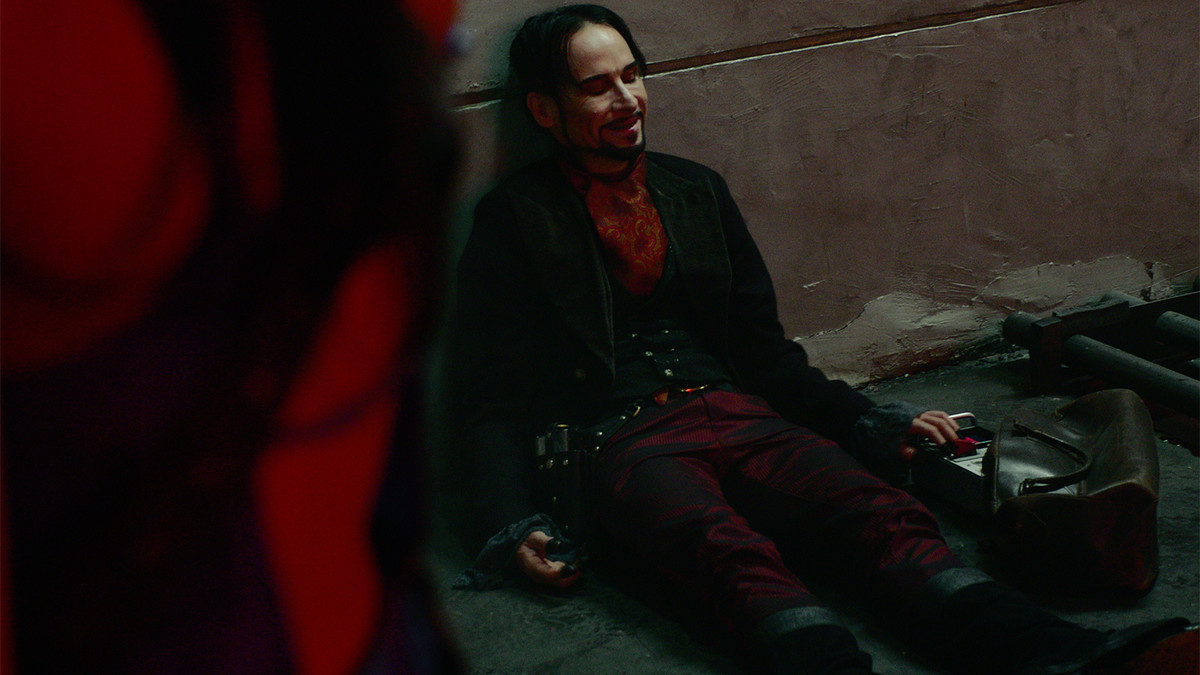
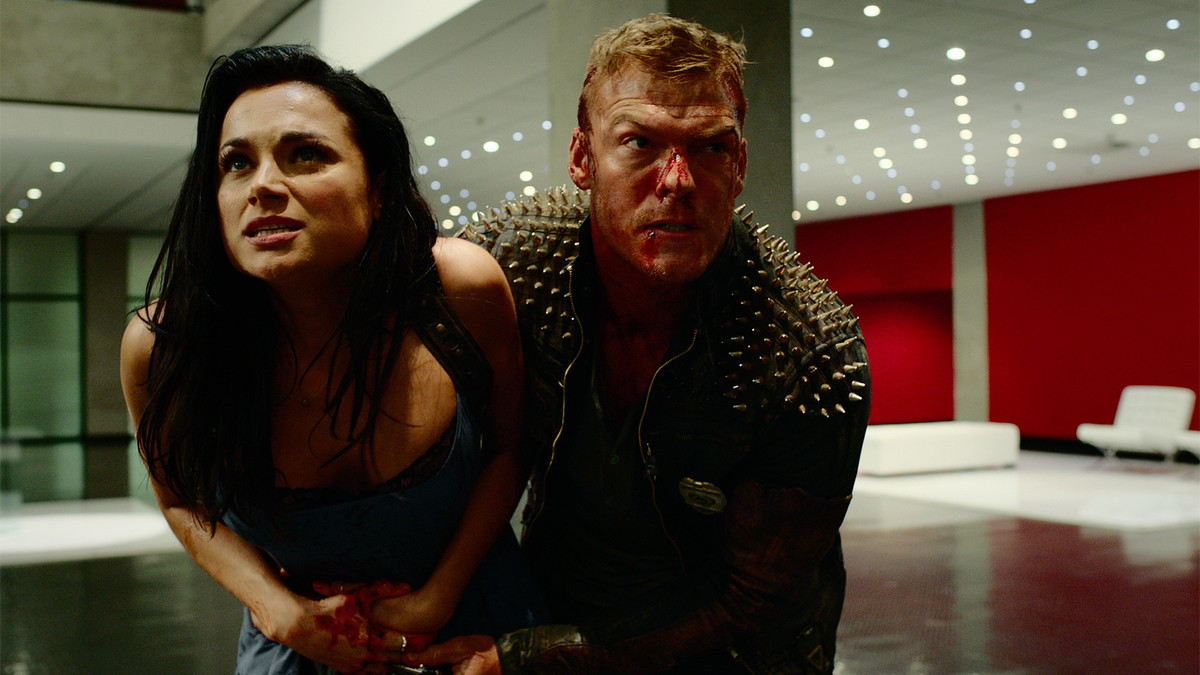
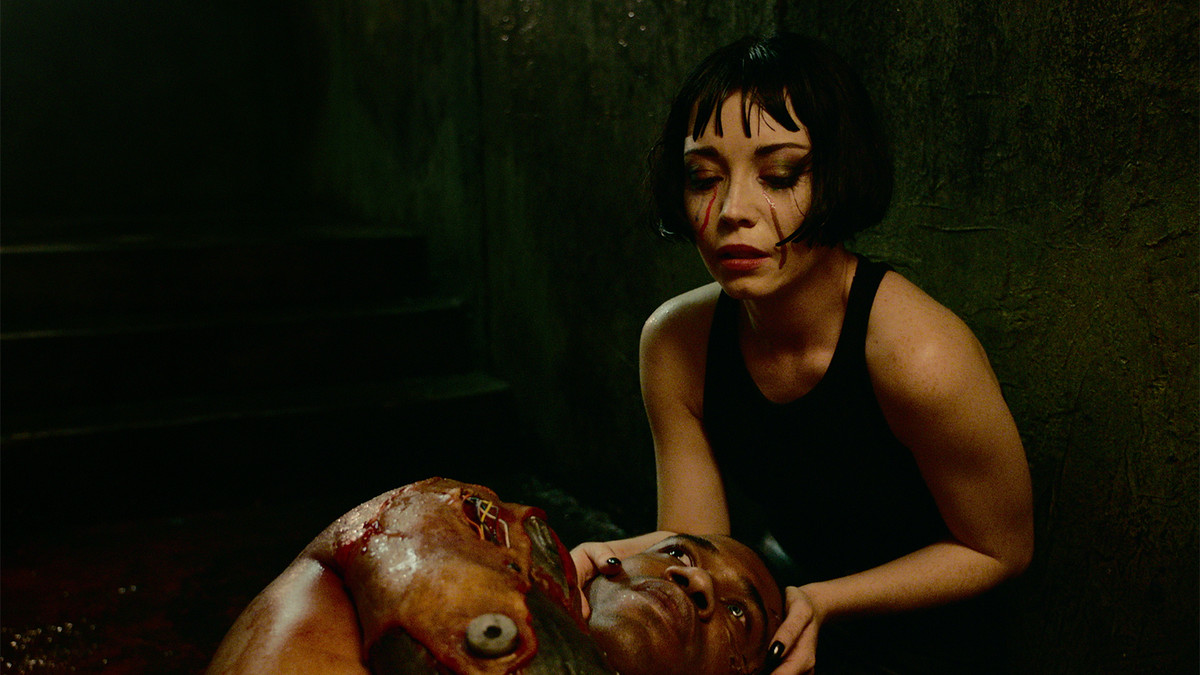
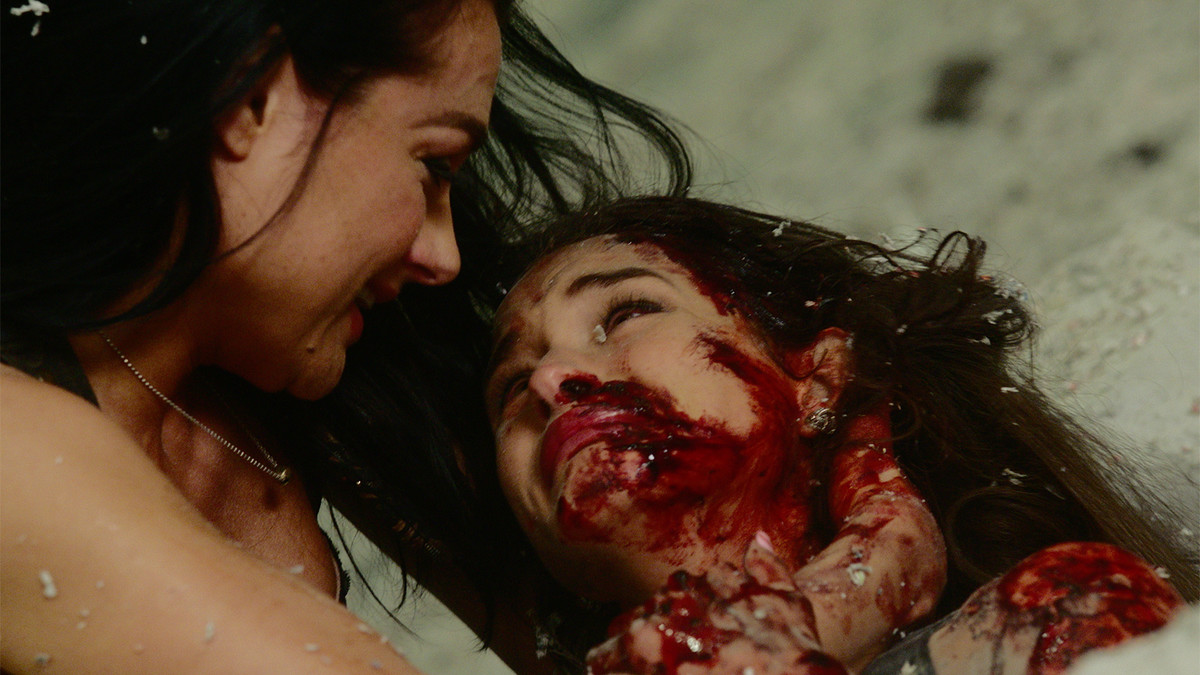
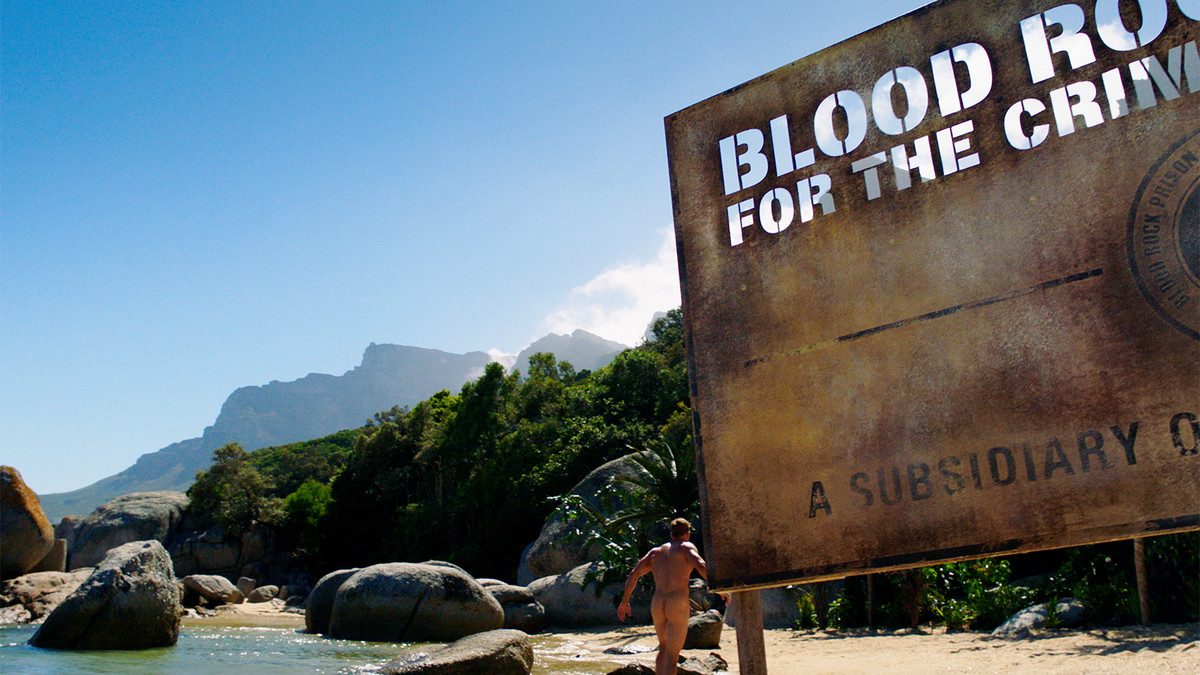
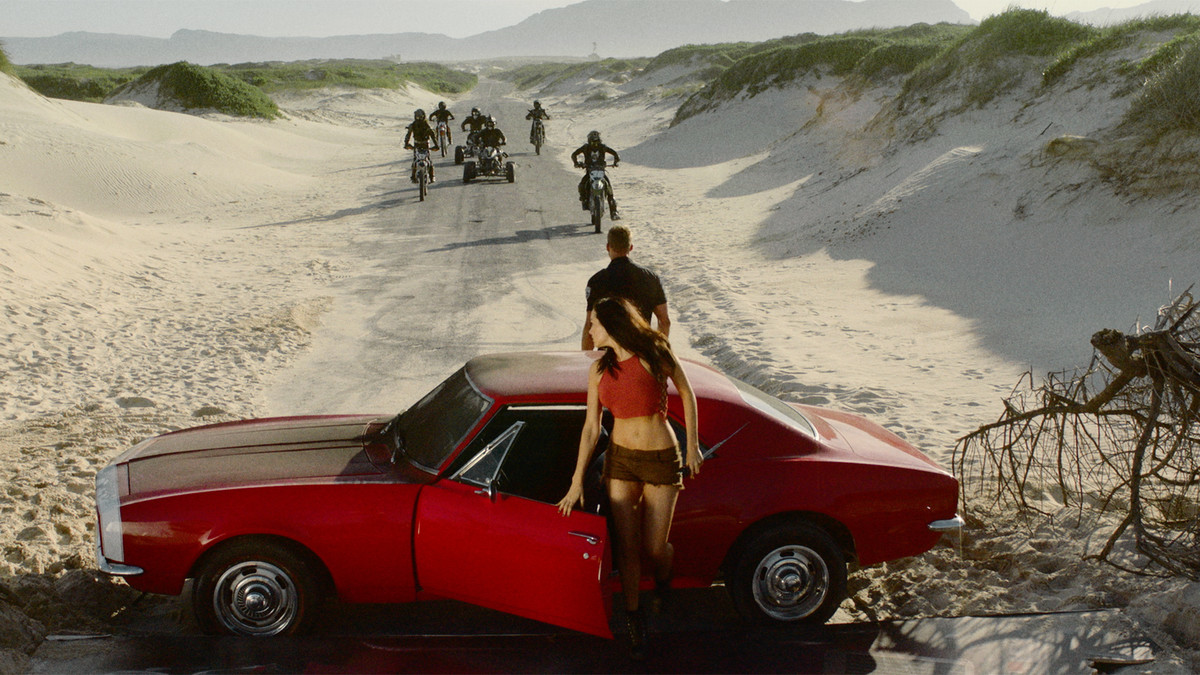
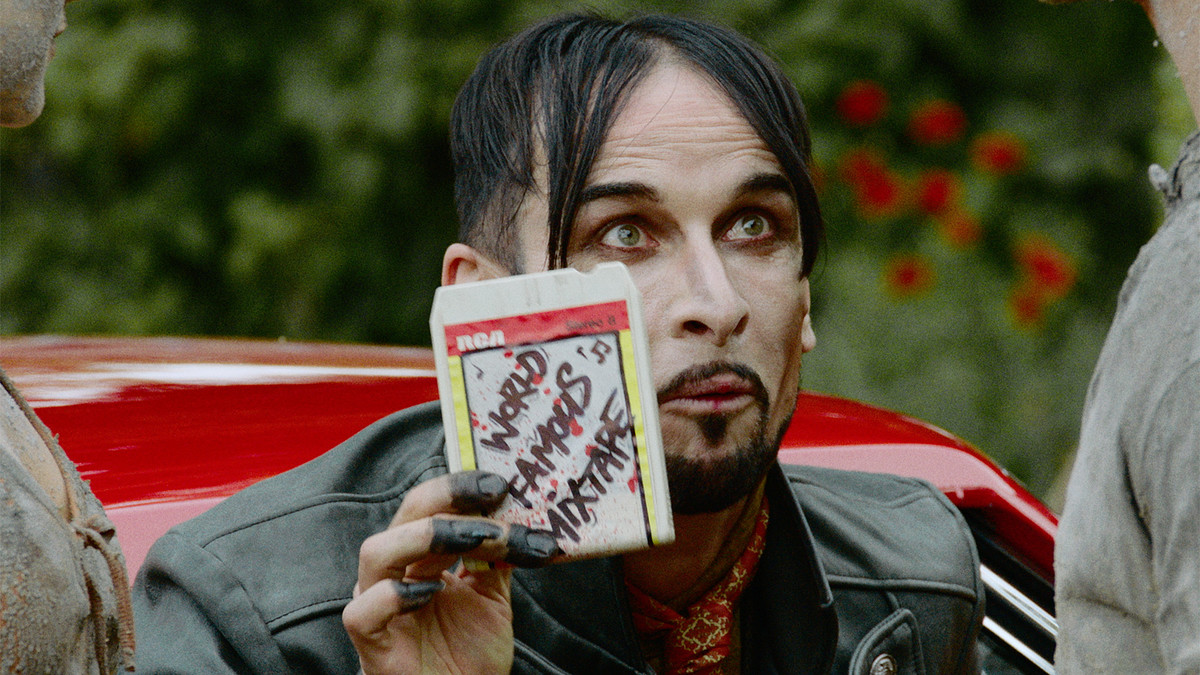
It’s a place where crime is so rampant that only the worst violence is punished, and where Arthur Bailey - the city’s last good cop - runs afoul of the dirtiest and meanest underground car rally in the world, Blood Drive. The master of ceremonies is a vaudevillian nightmare, The drivers are homicidal deviants, and the cars run on human blood.

13 incredible episodes
episode

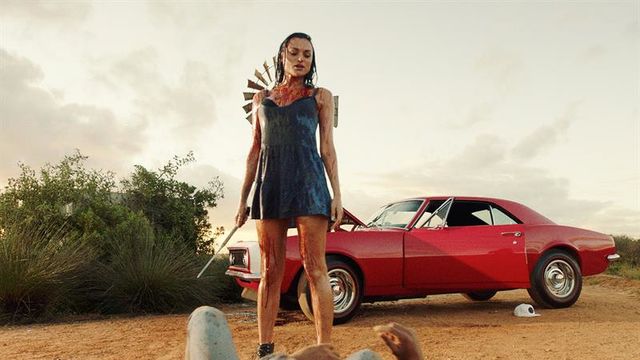
1. The F*cking Cop

Welcome to the Blood Drive, a race where cars run on blood, there are no rules and losing means you die. ---- Morphological Variability
episode

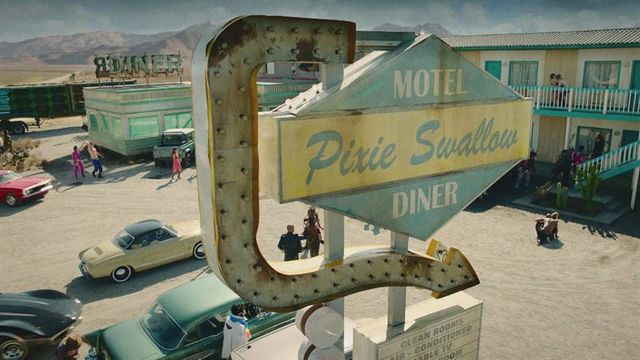
2. Welcome to Pixie Swallow

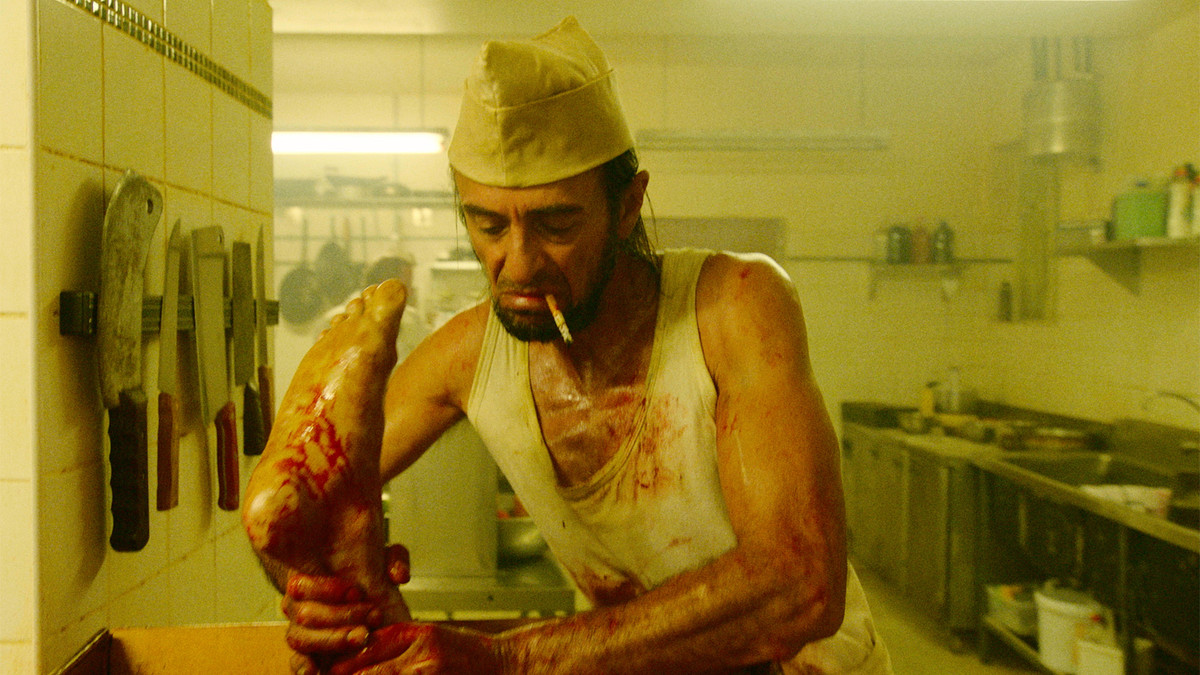
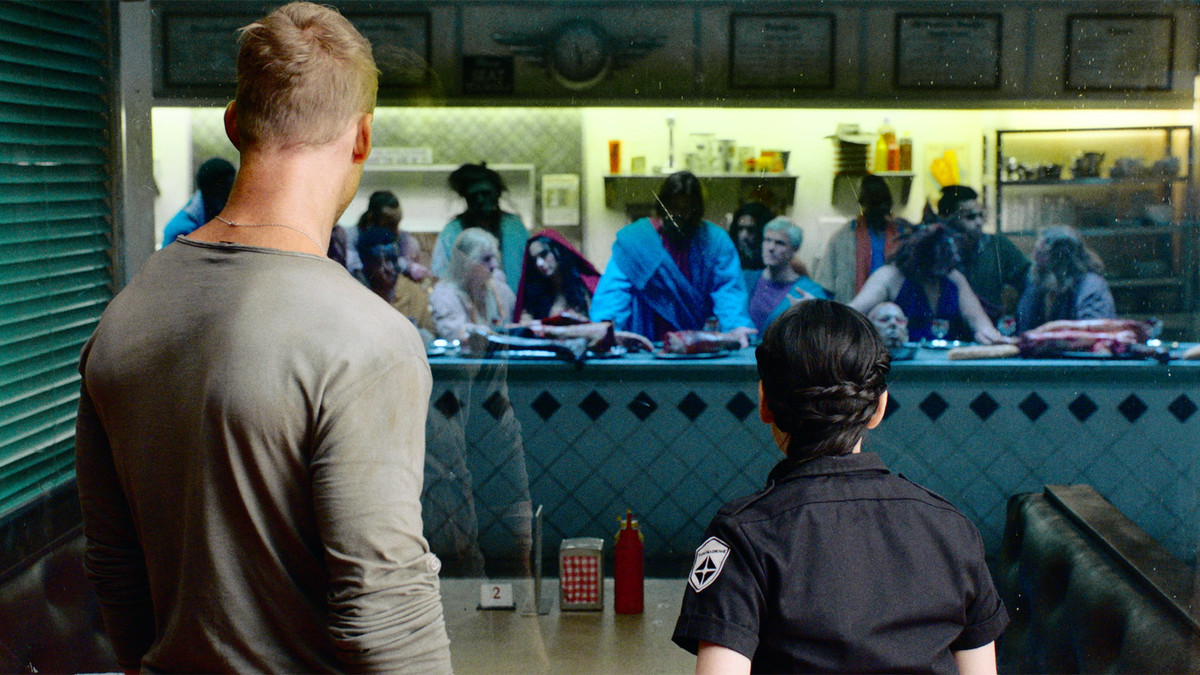
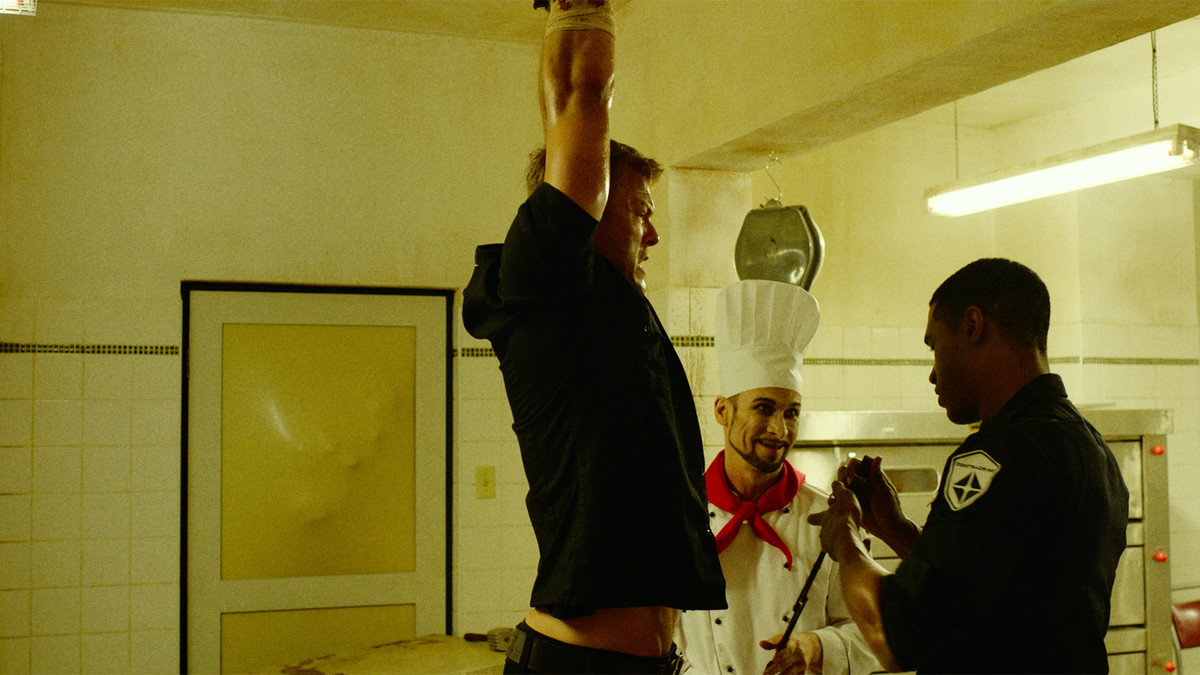
It’s the Blood Drive, so naturally there’s a cannibal diner. Also, someone gets kidnapped by a sex robot.
episode

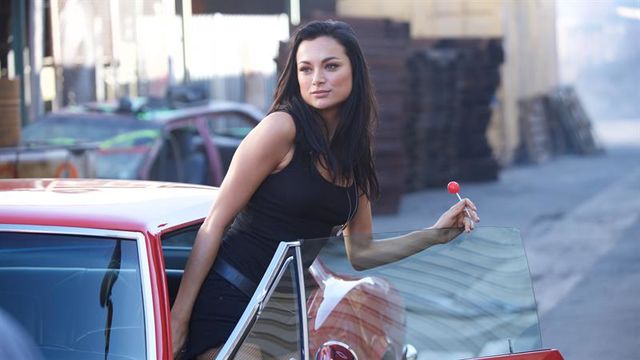
3. Steel City Nightfall

Mutated bloodthirsty creatures:1. Blood Drivers:0. Plus: The couple that murders together, stays together.

episode

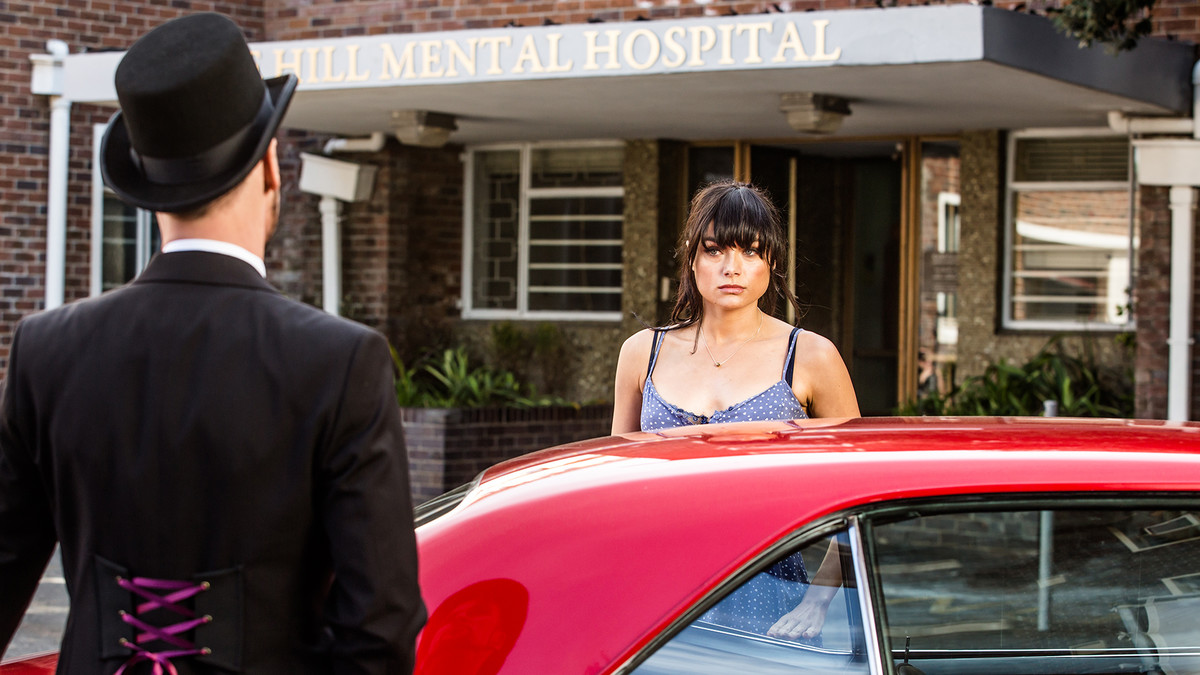
4. In the Crimson Halls of Kane Hill

What do you get when you mix an insane asylum, psychedelic candy and someone named Rib Bone? This episode.
episode

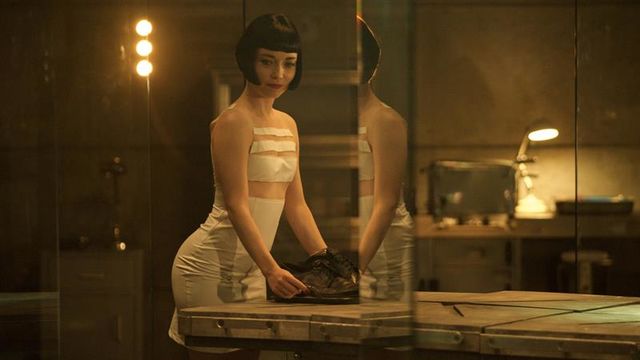
5. The F*cking Dead

To save Grace's sister, Arthur makes a deal with the devil. Well, rather some crazy, sex-obsessed twins. This is not merely "mutation" or "defect
episode

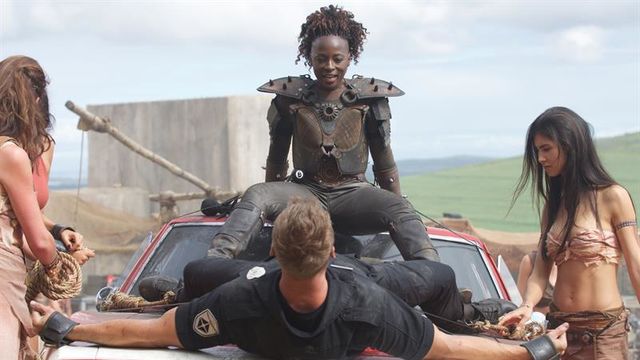
6. Booby Traps

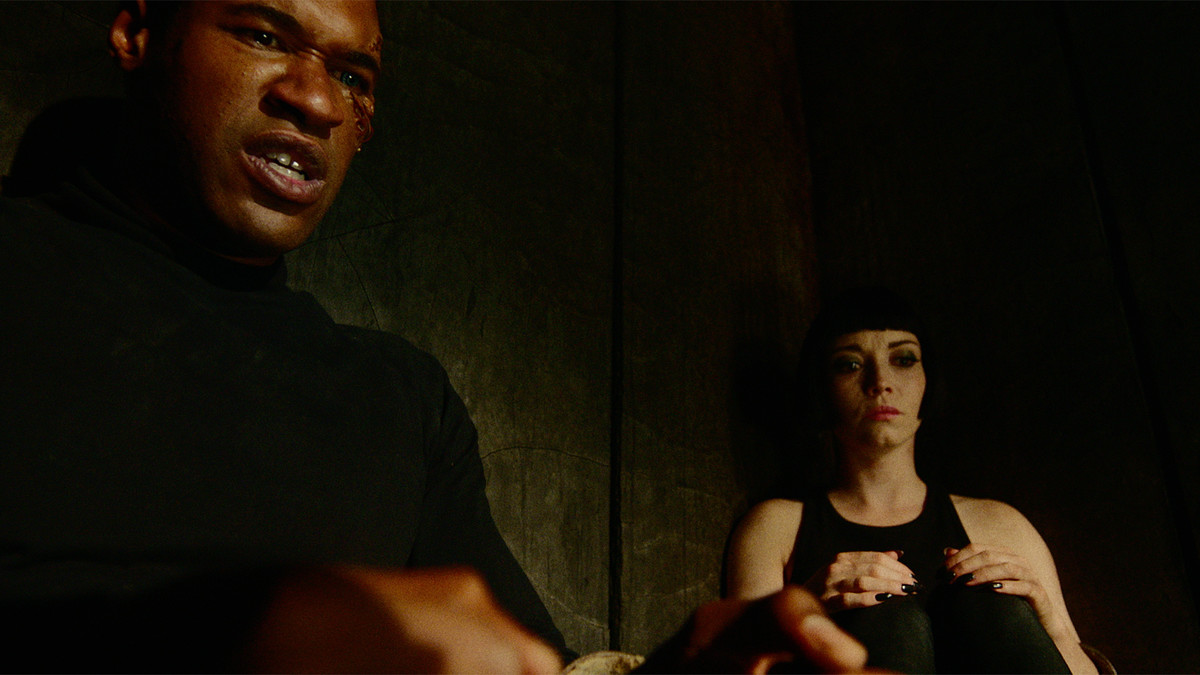
Arthur and Grace get kidnapped by a tribe of homicidal Amazons. Do you really need anything else?
episode

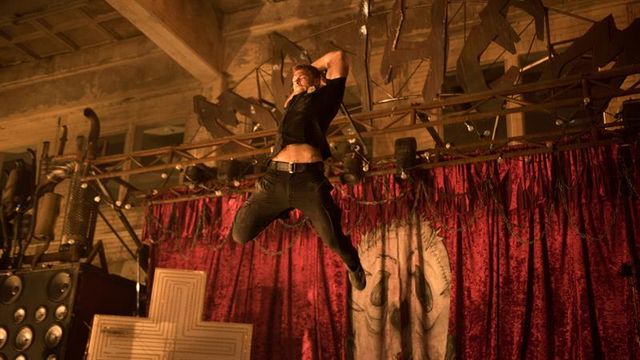
7. The Gentleman’s Agreement

There’s a new head of the Blood Drive, but the old one isn’t giving up so easily. Everyone duck.

episode

8. A Fistful of Blood

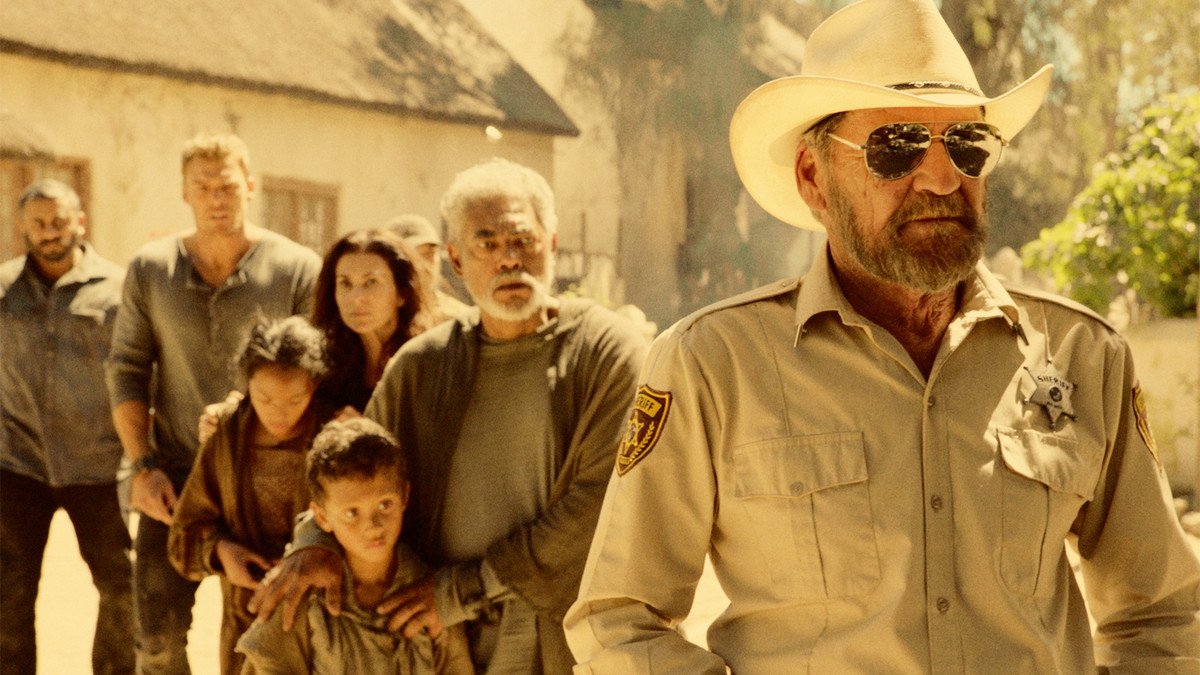
The last thing Arthur and Grace expected was to get caught in a small town civil war. But they did.

episode

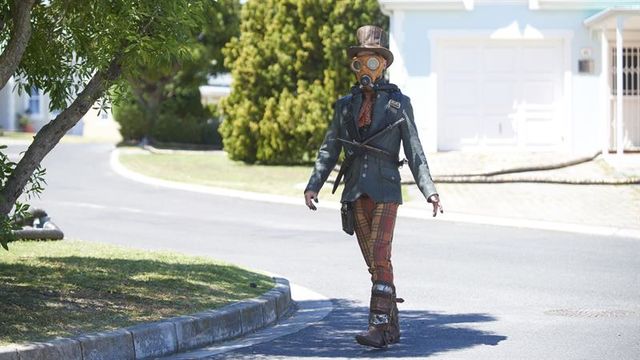
9. The Chopsocky Special

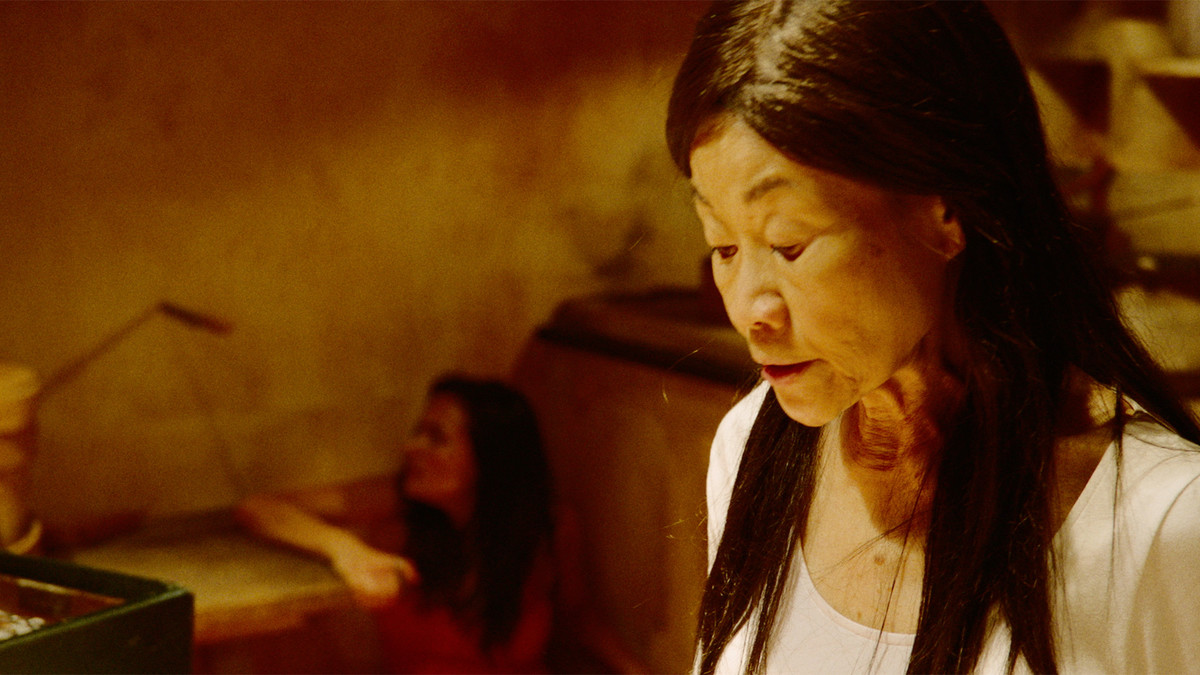
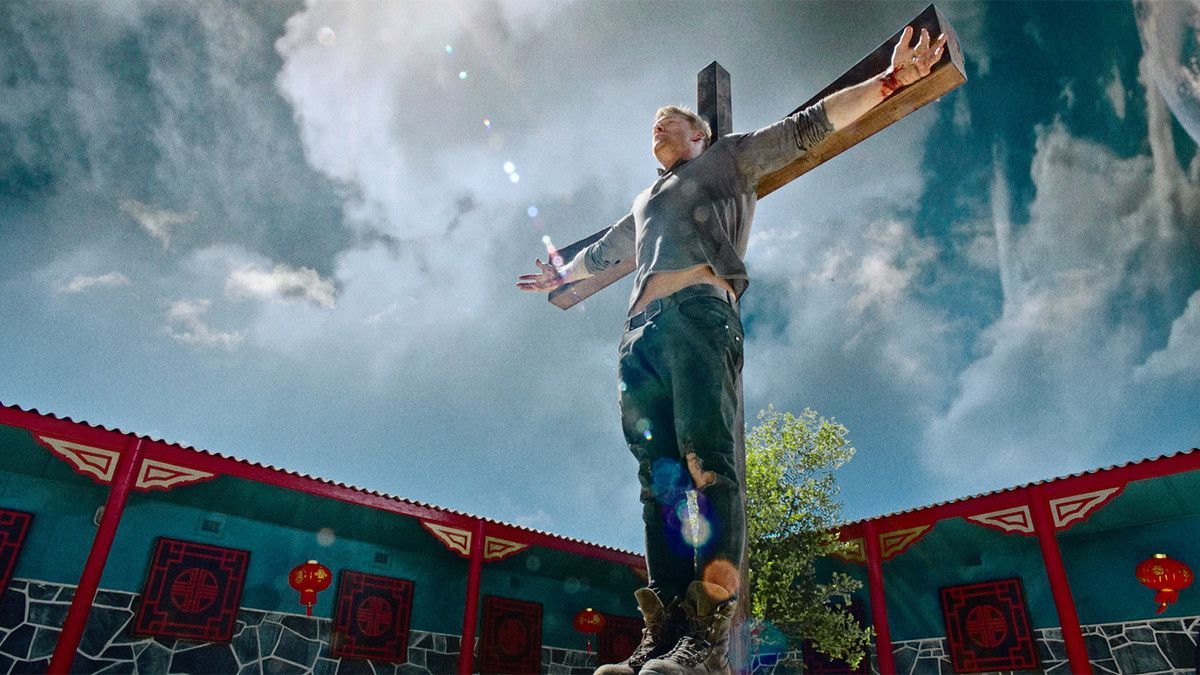
Imagine going on a trippy vision quest in a Chinese restaurant. Well, watch this episode then. It is a survival metric
episode

10. Scar Tissue

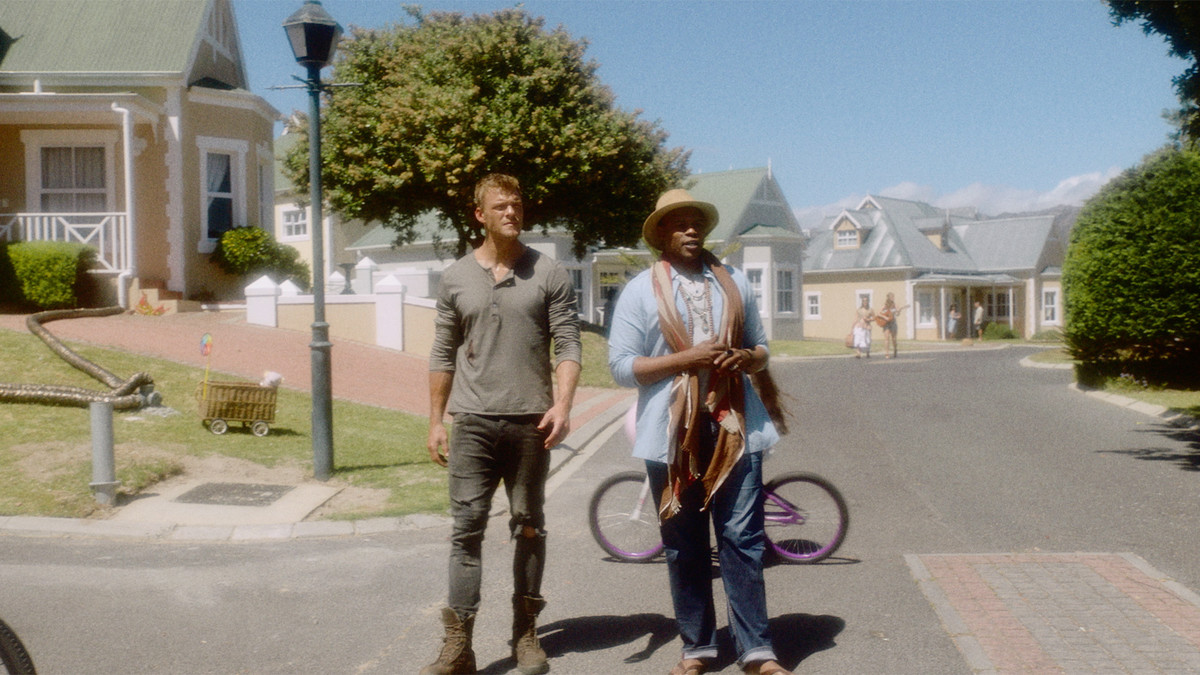
An idyllic town is anything but. To escape it, the drivers must turn to the last person they should.
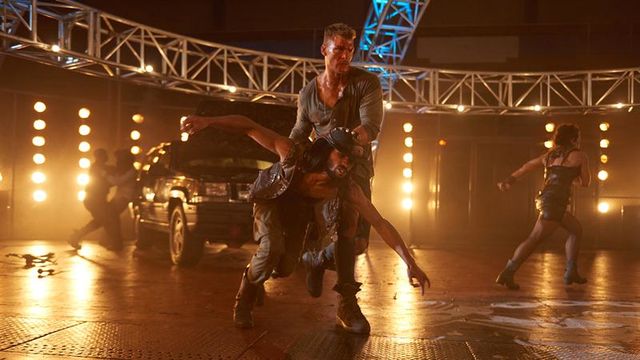
episode

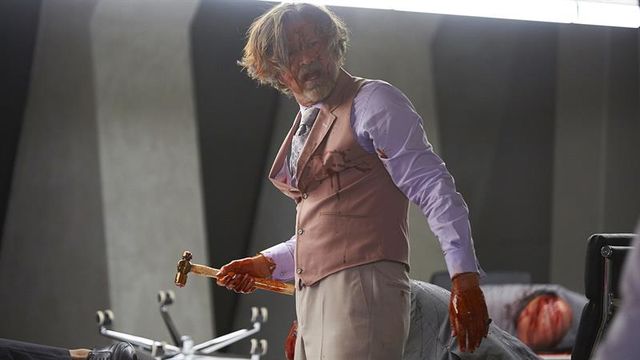
11. The Rise of Primo

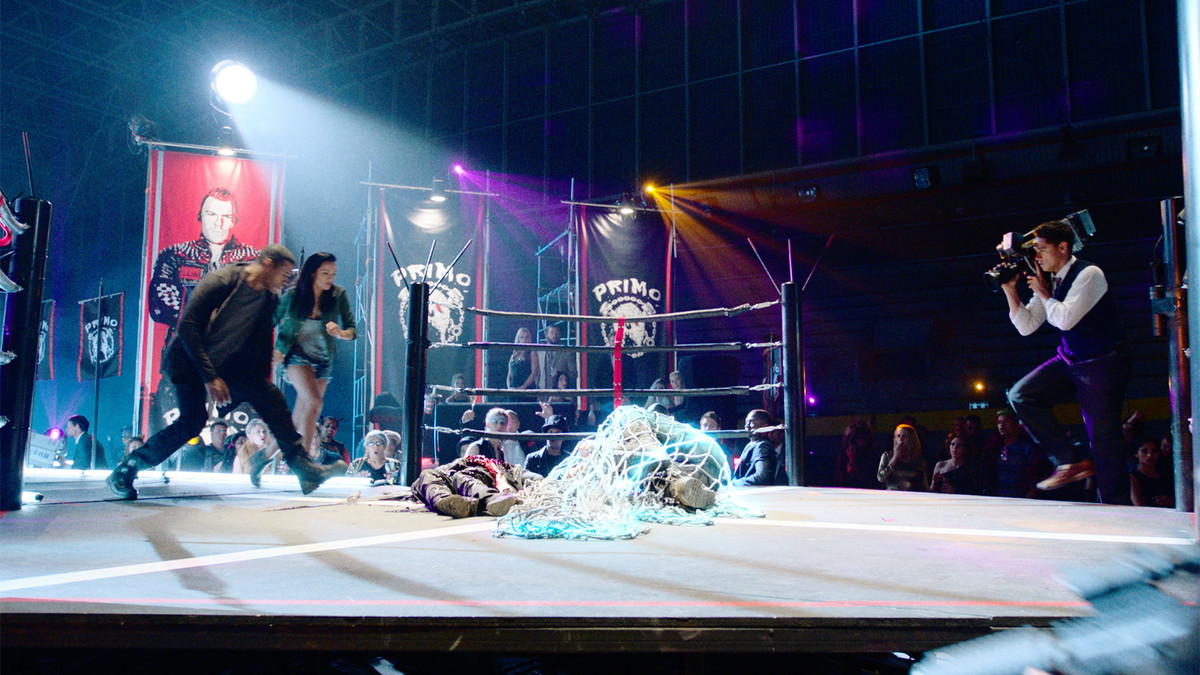
It’s a battle royale to name the new head of the Blood Drive, and, naturally, not everyone survives.
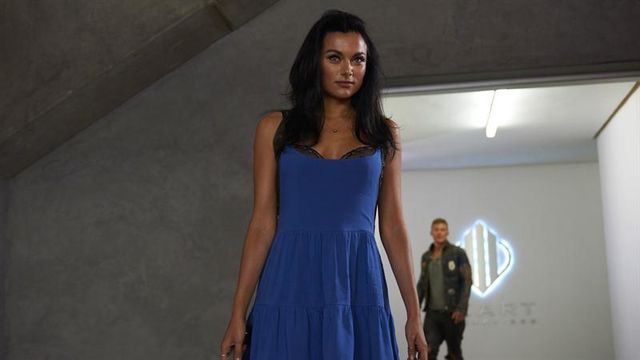
episode

12. Faces of Blood Drive

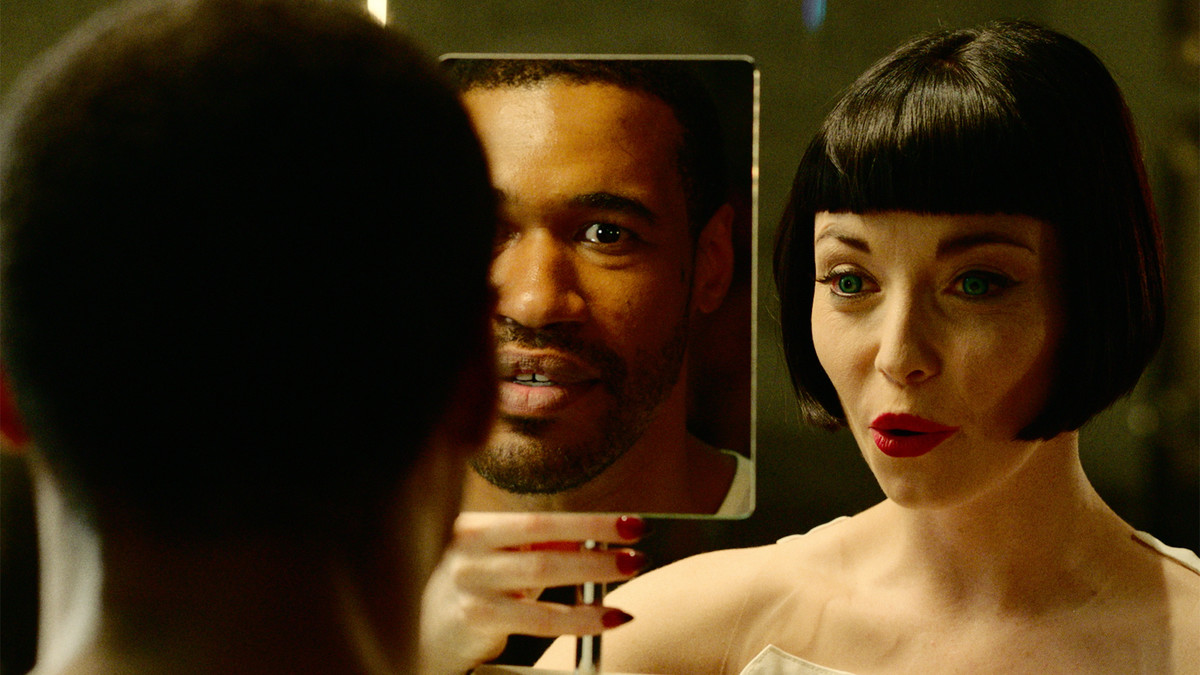
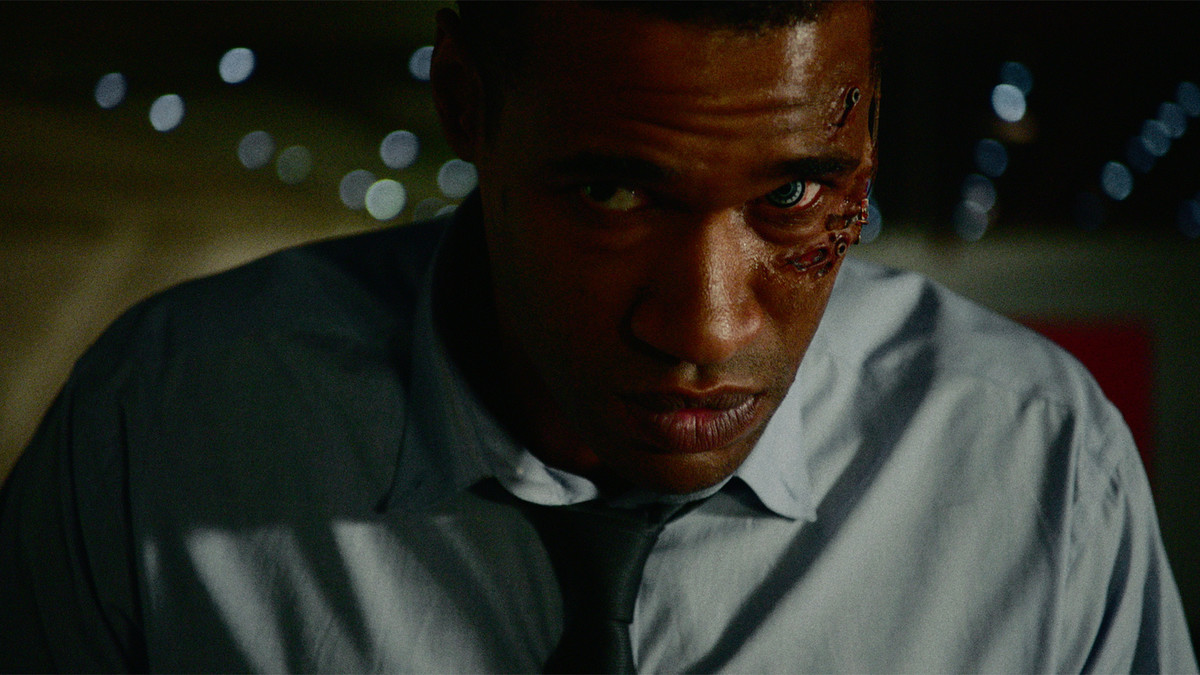
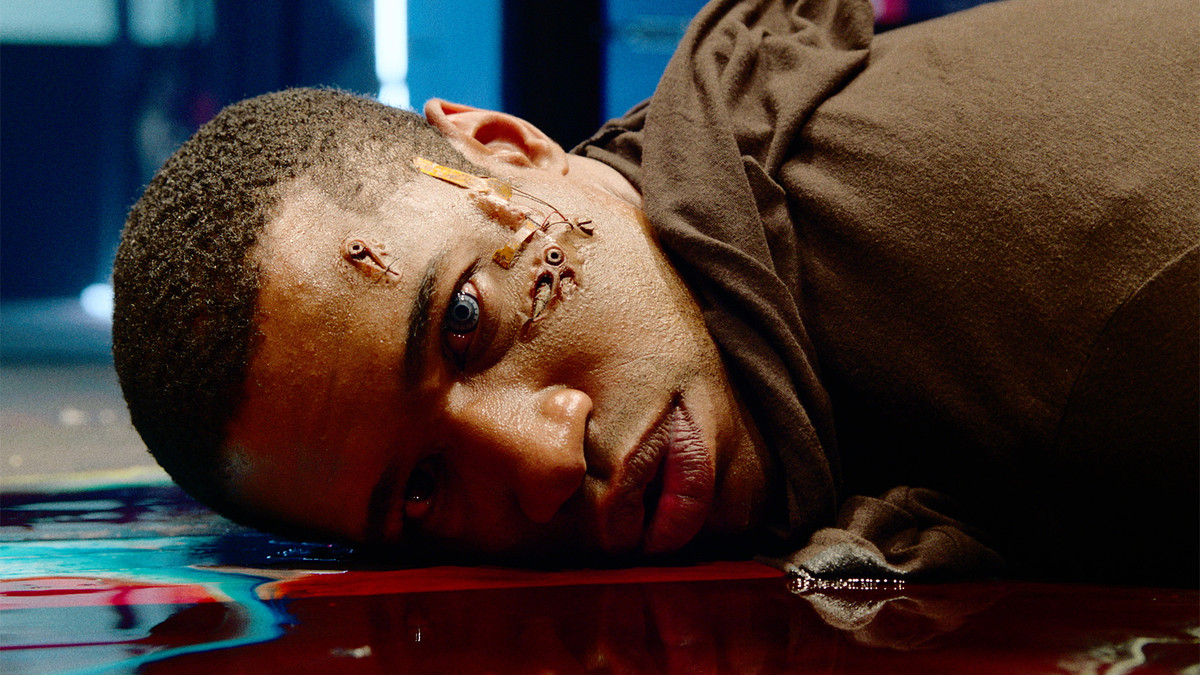
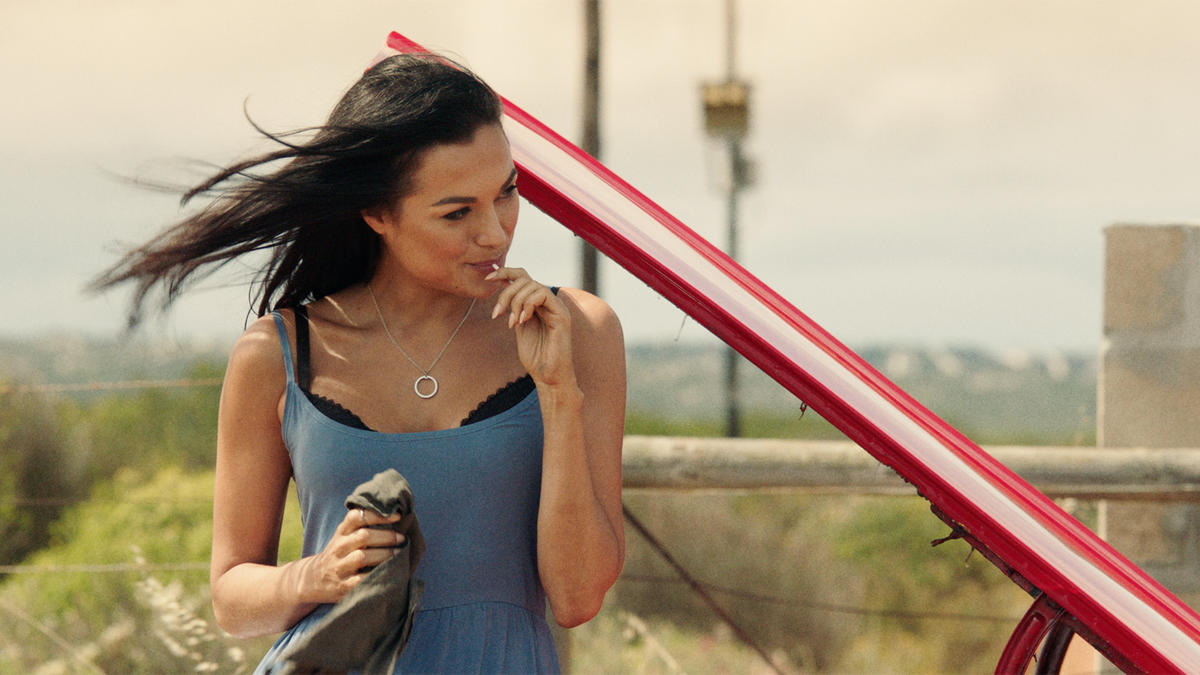
Cyborgs, plot twists and, well, lots of blood collide in an epic battle. And it’s not even the season finale!
episode

13. Finish Line

The survivors raid Heart Enterprises to stop the Blood Drive once and for all. Guess what they find?
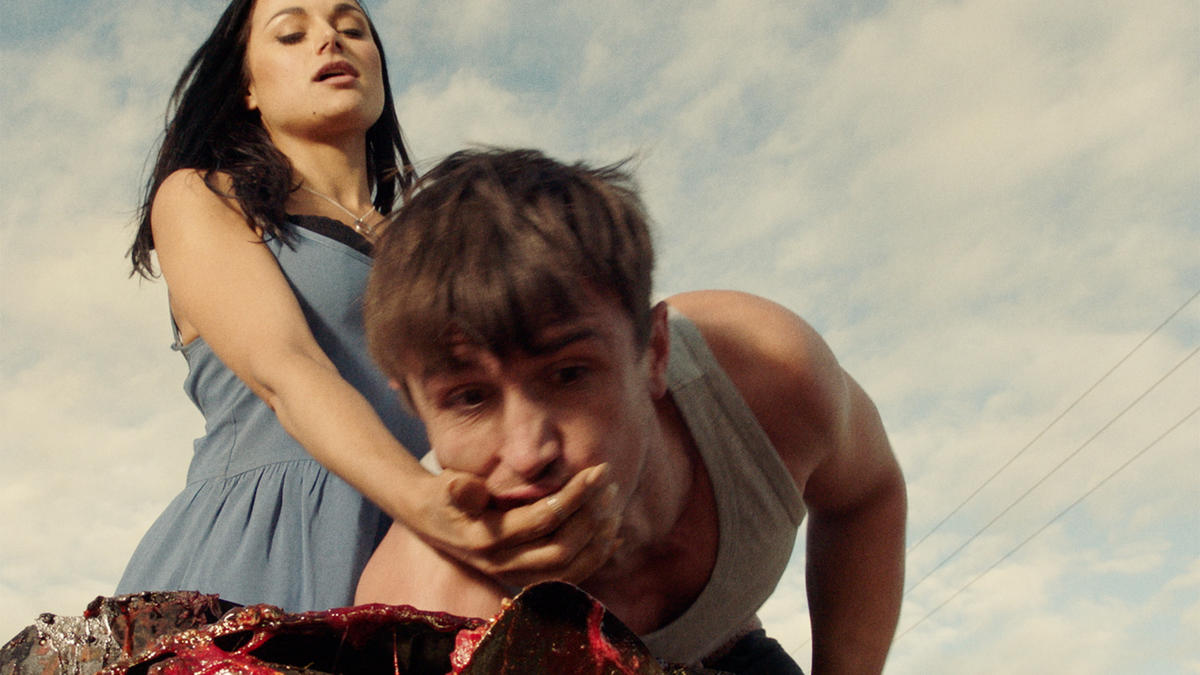
Trailer videos


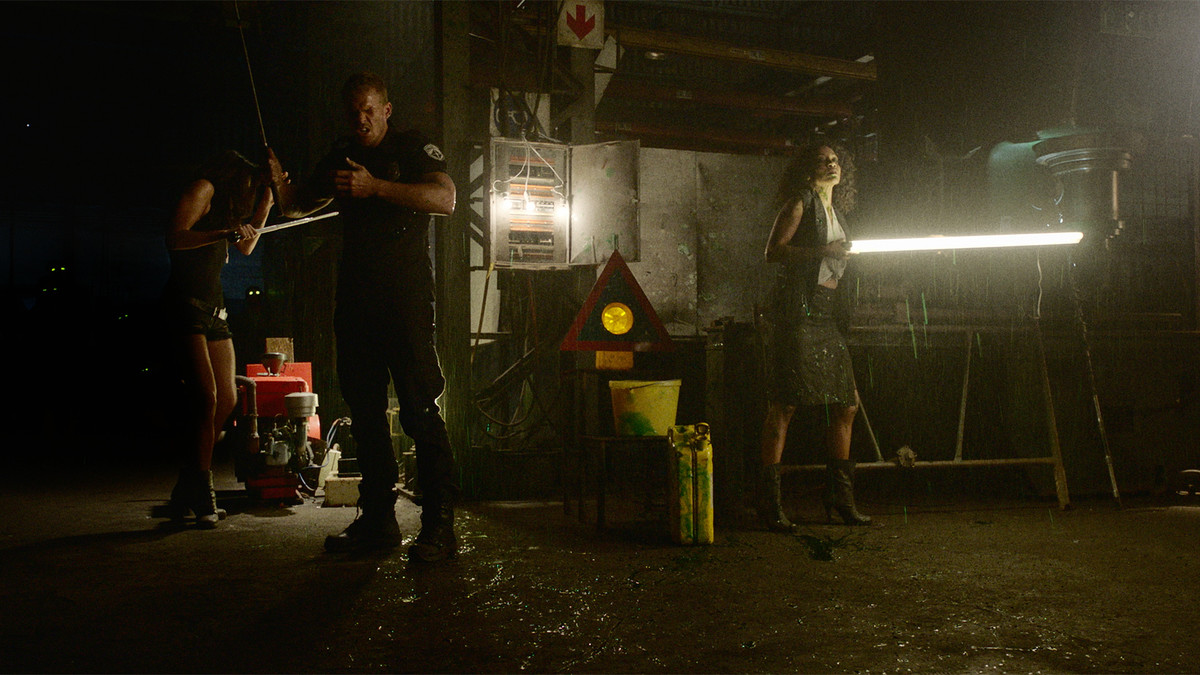
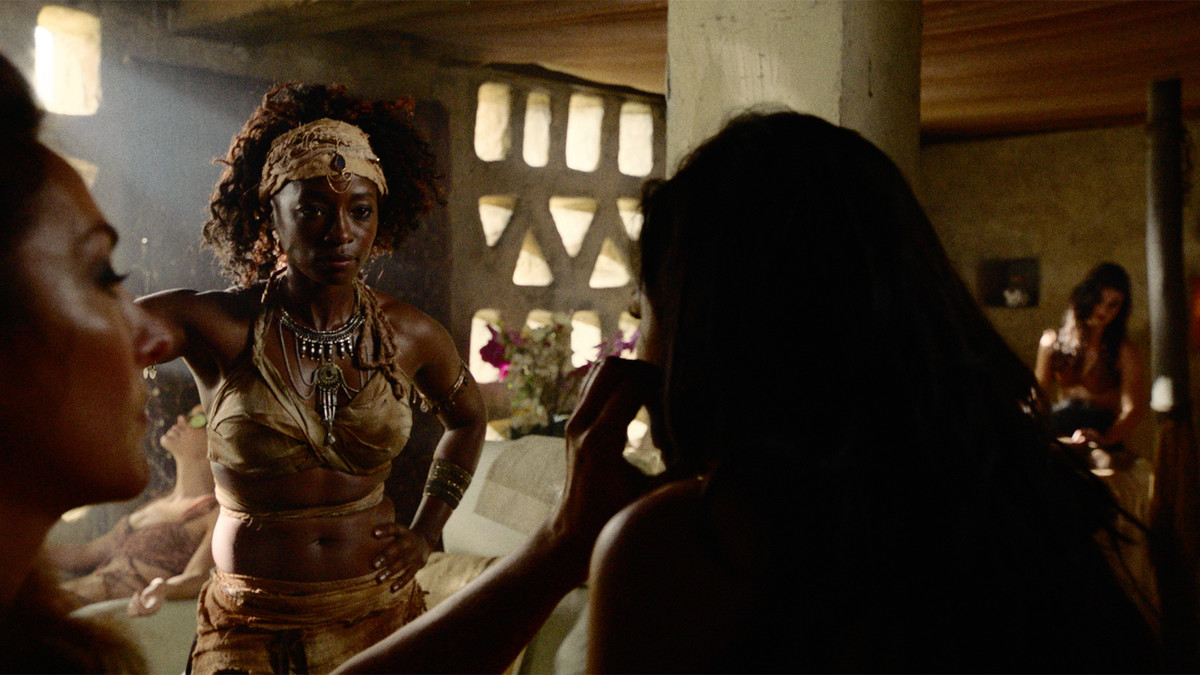
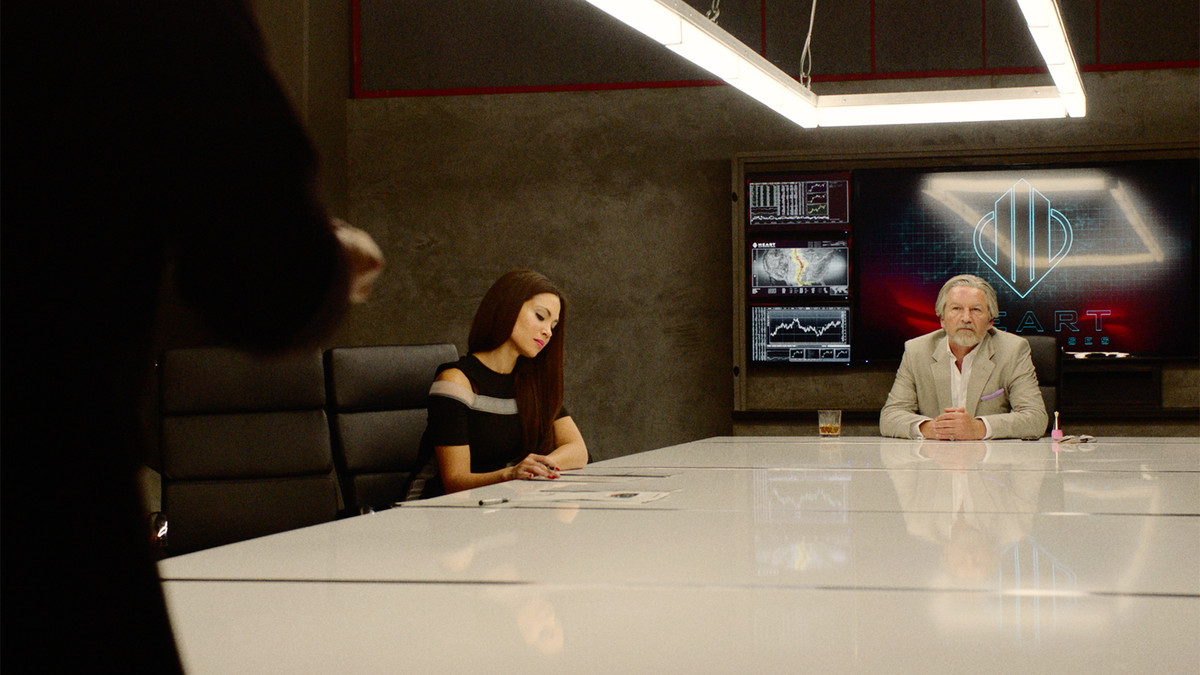
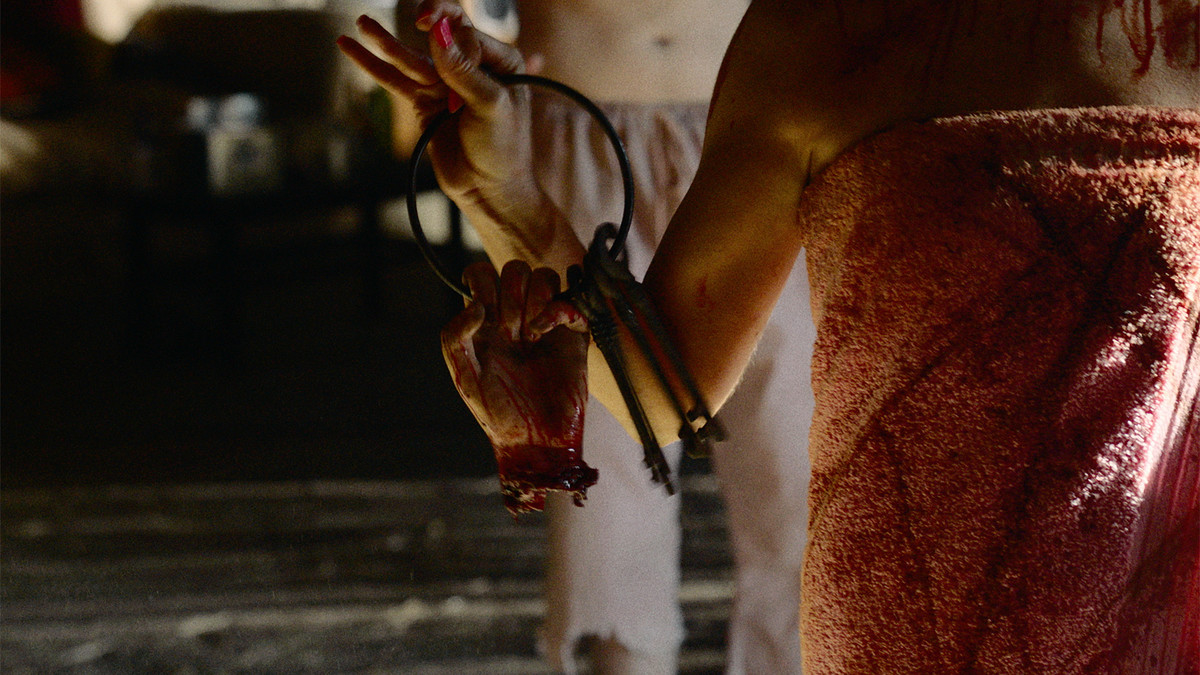
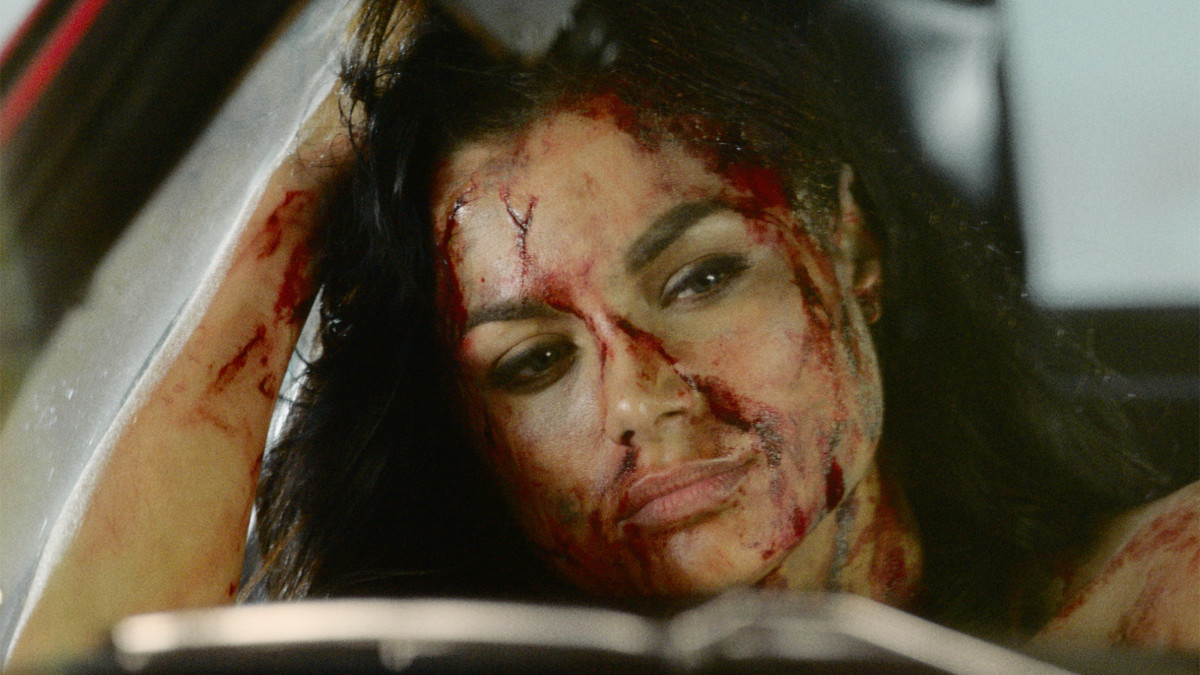
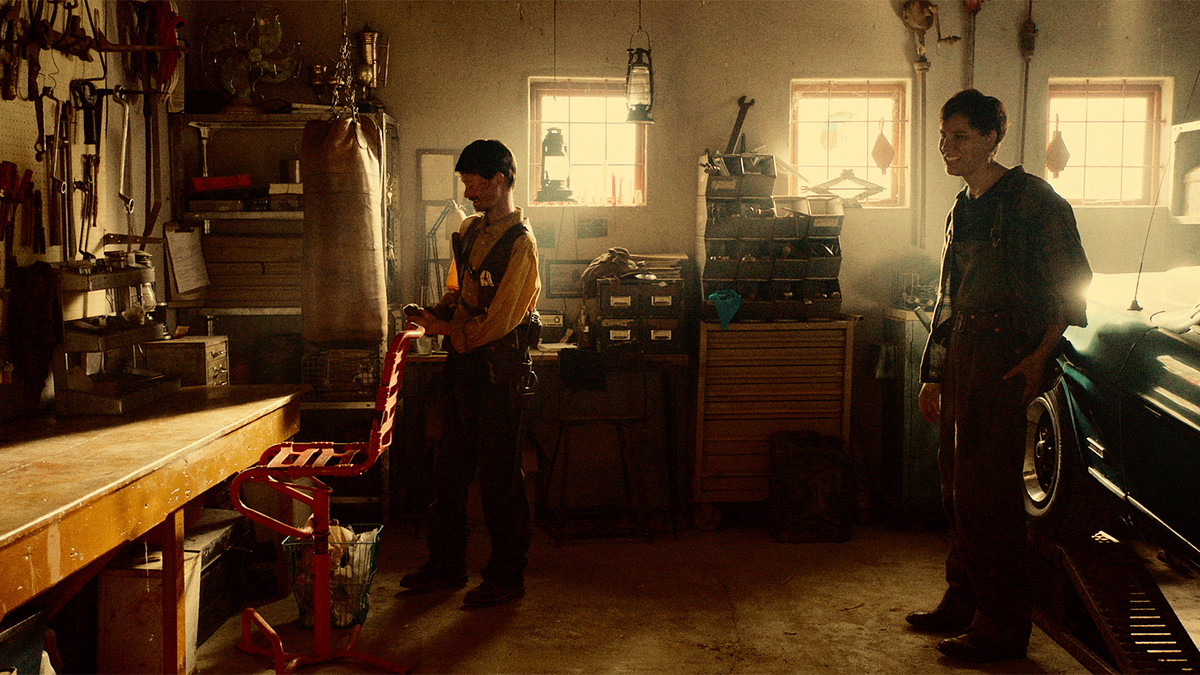
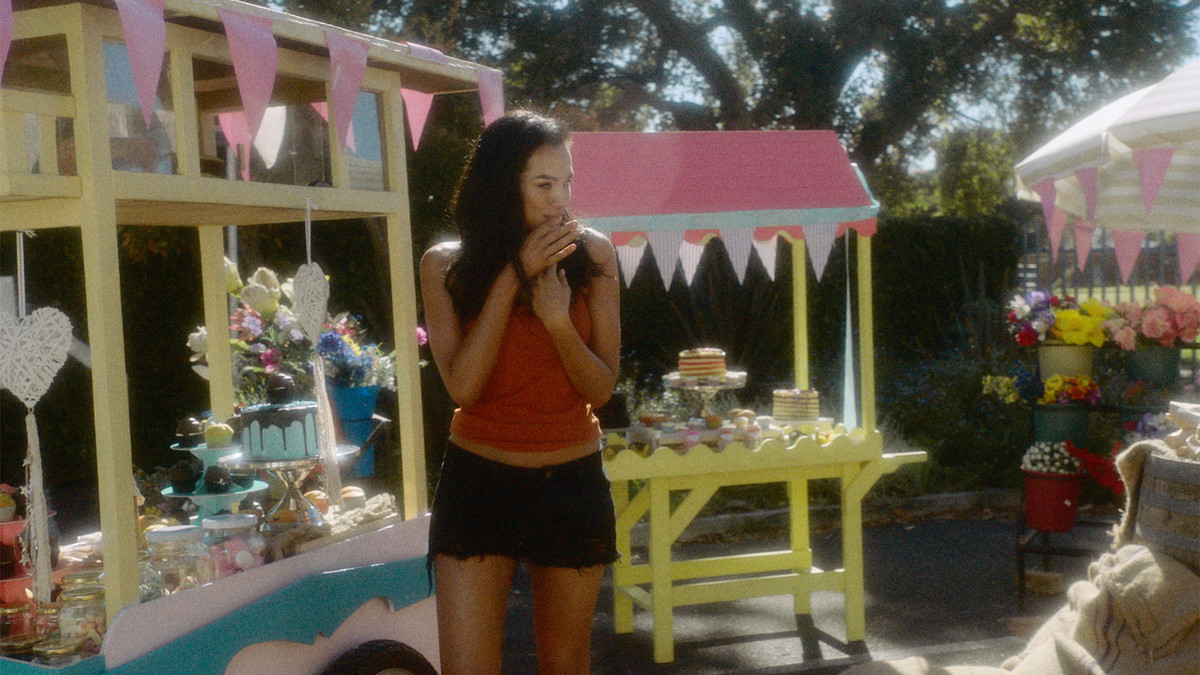
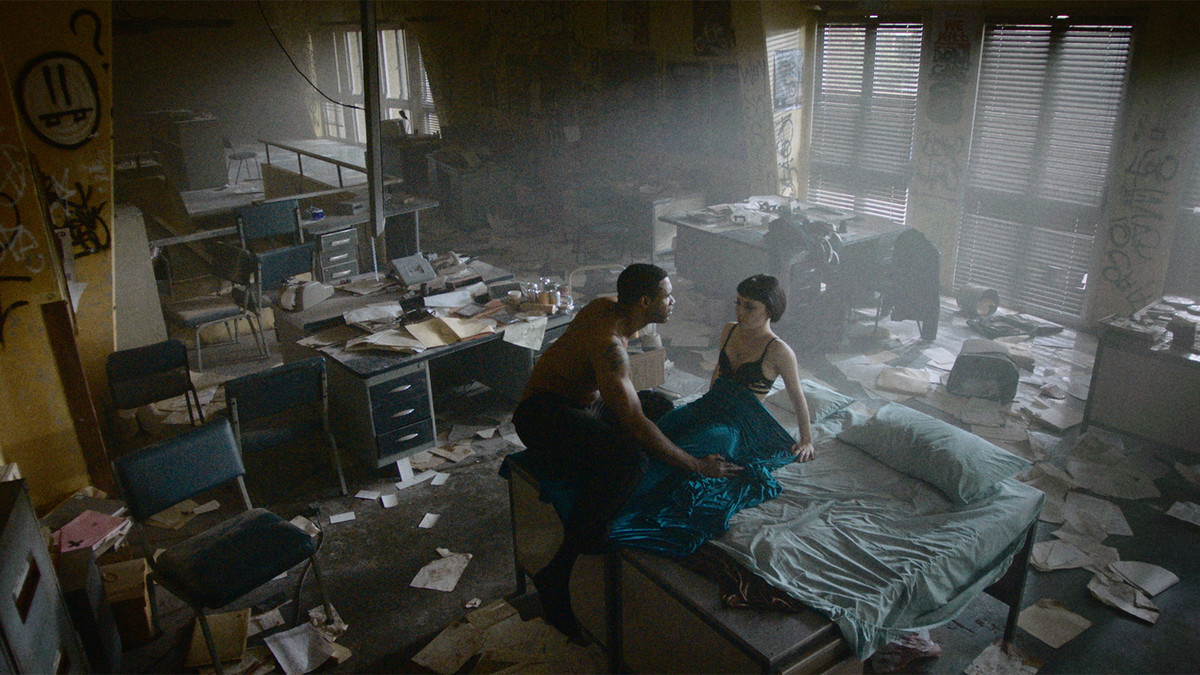
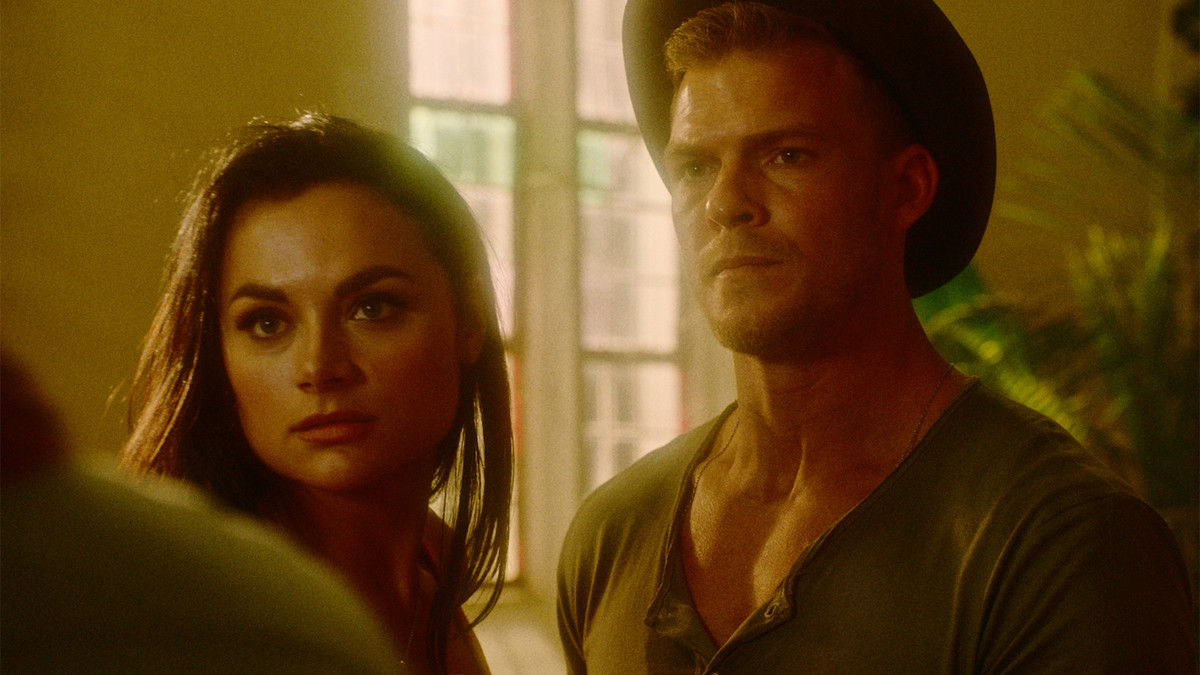
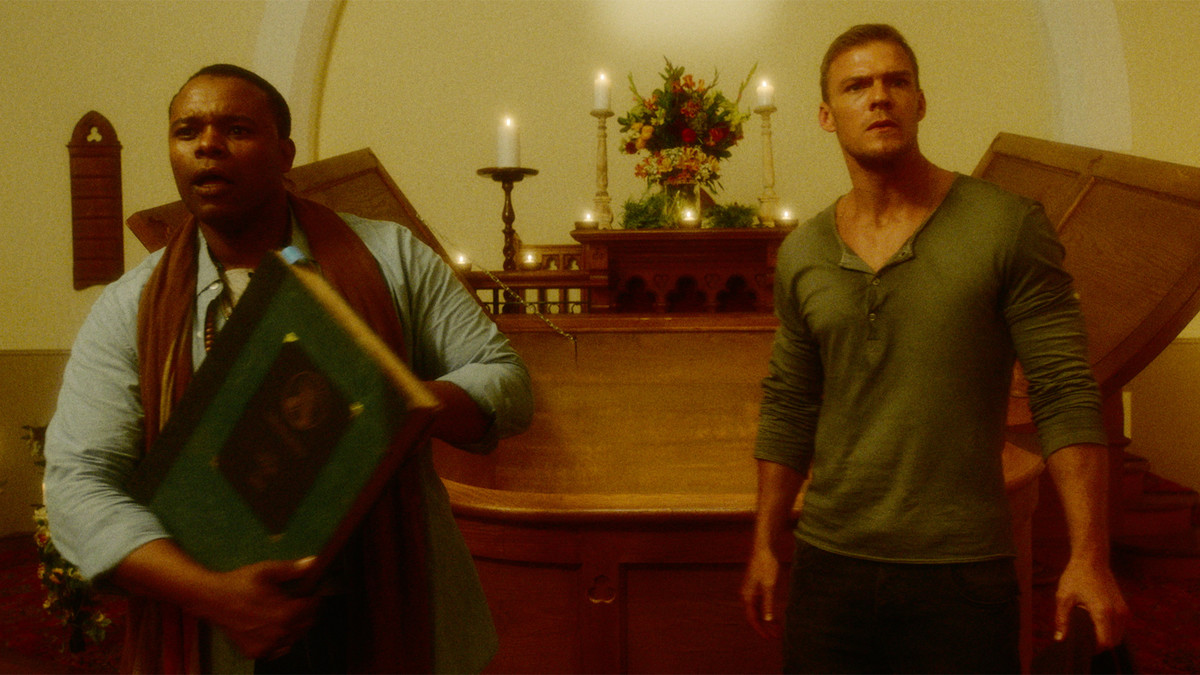
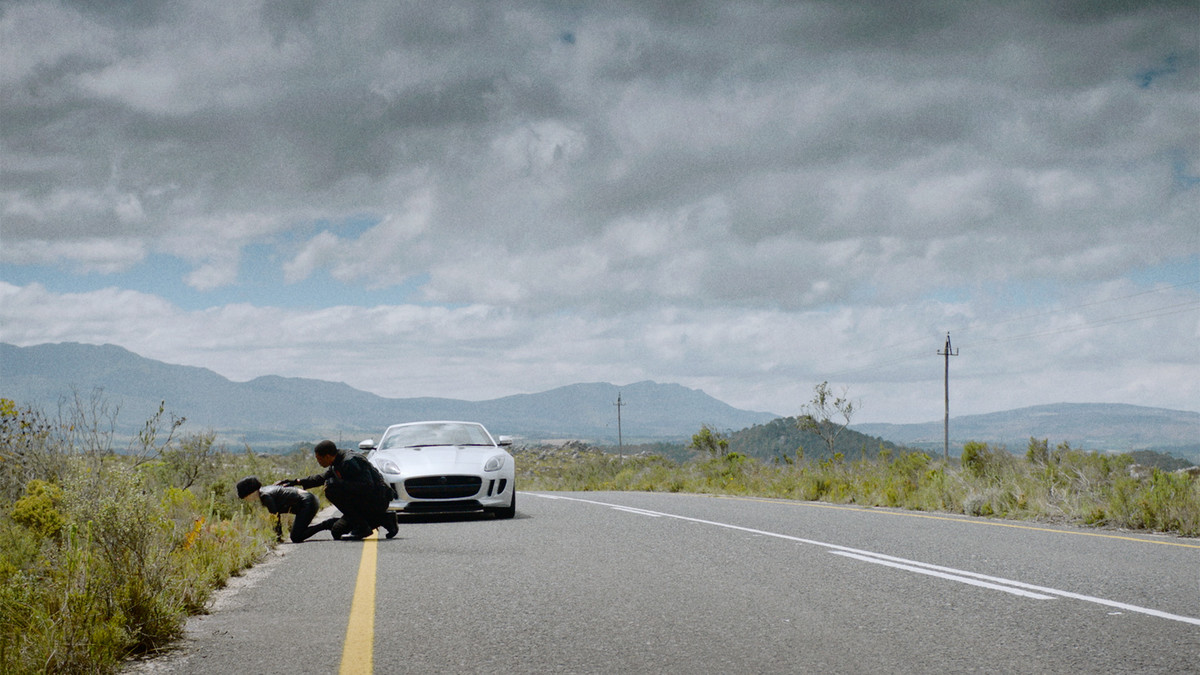
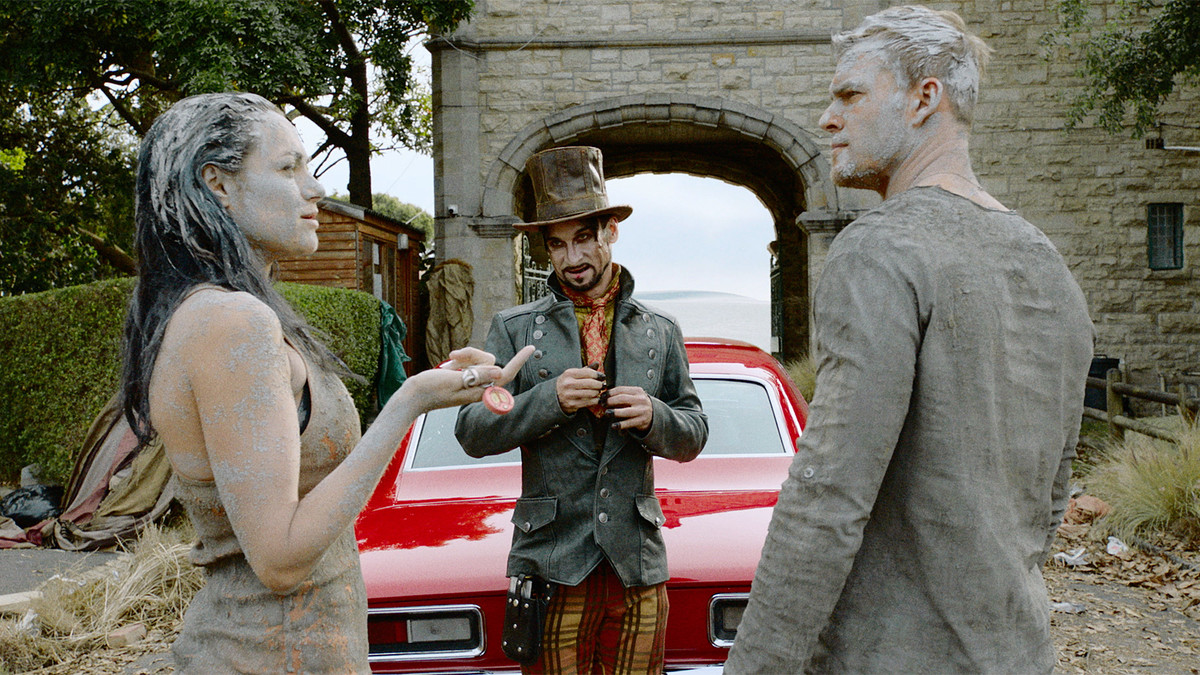
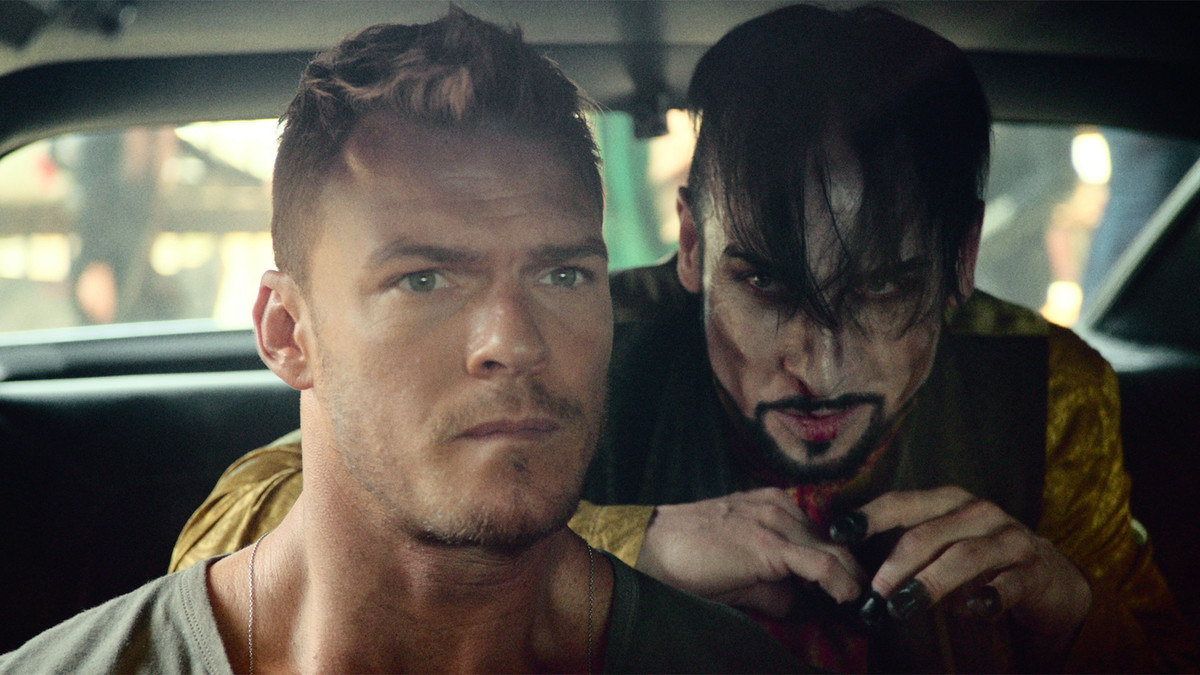
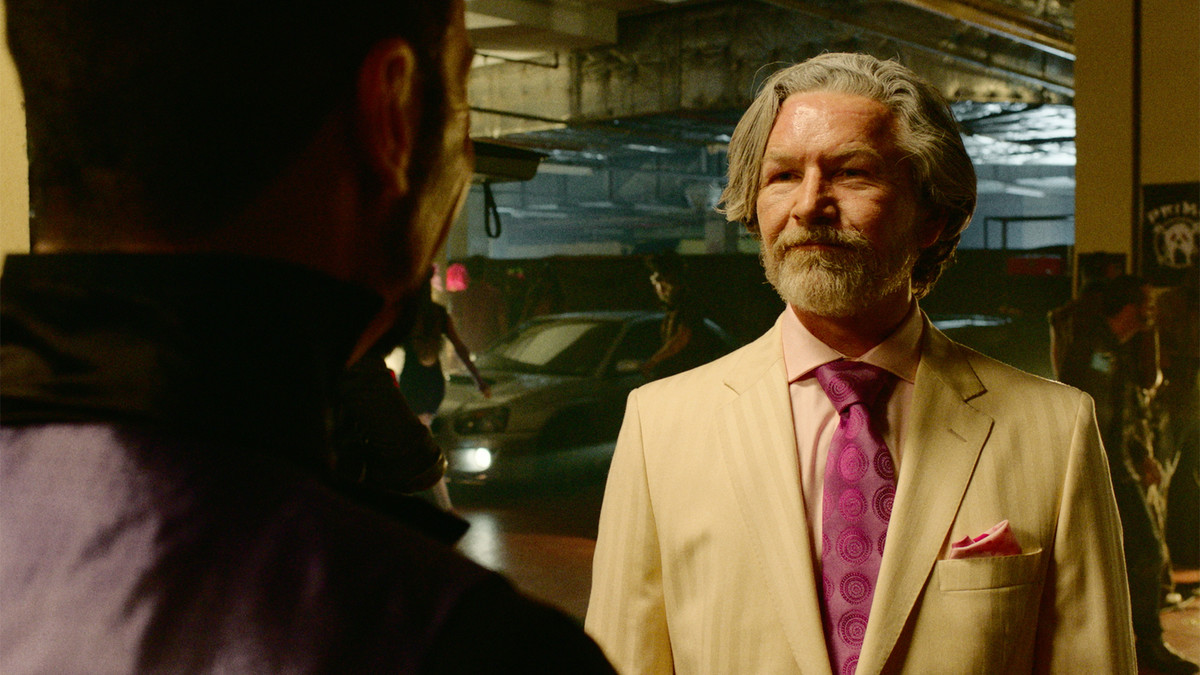
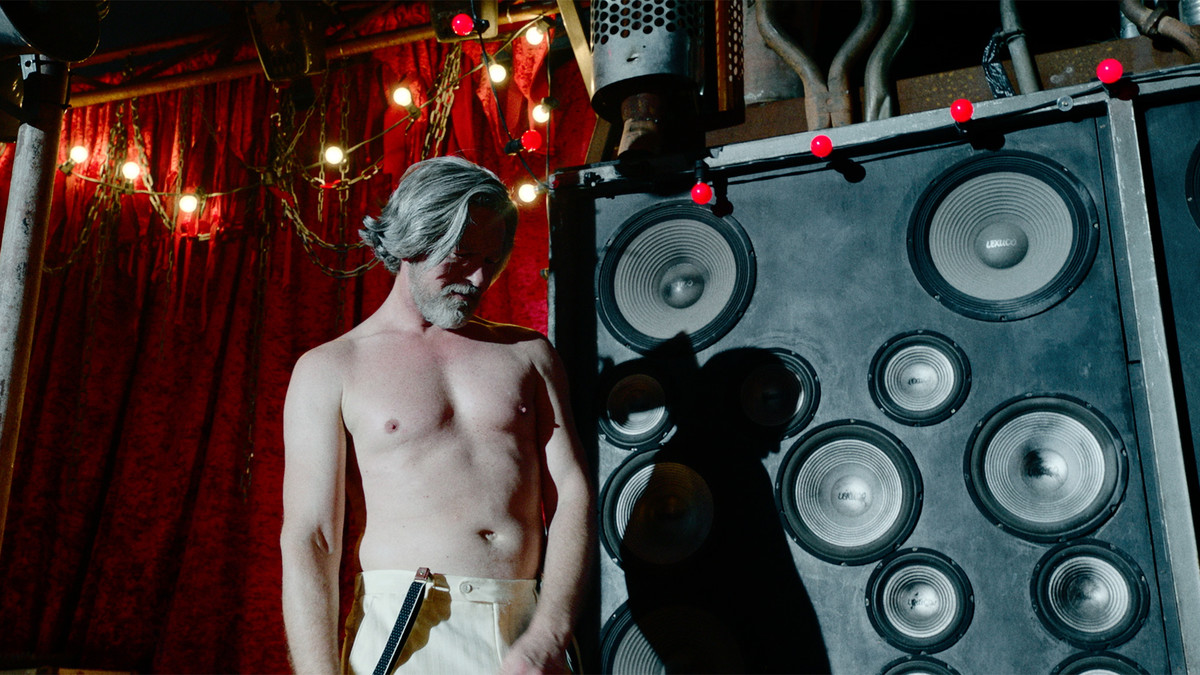
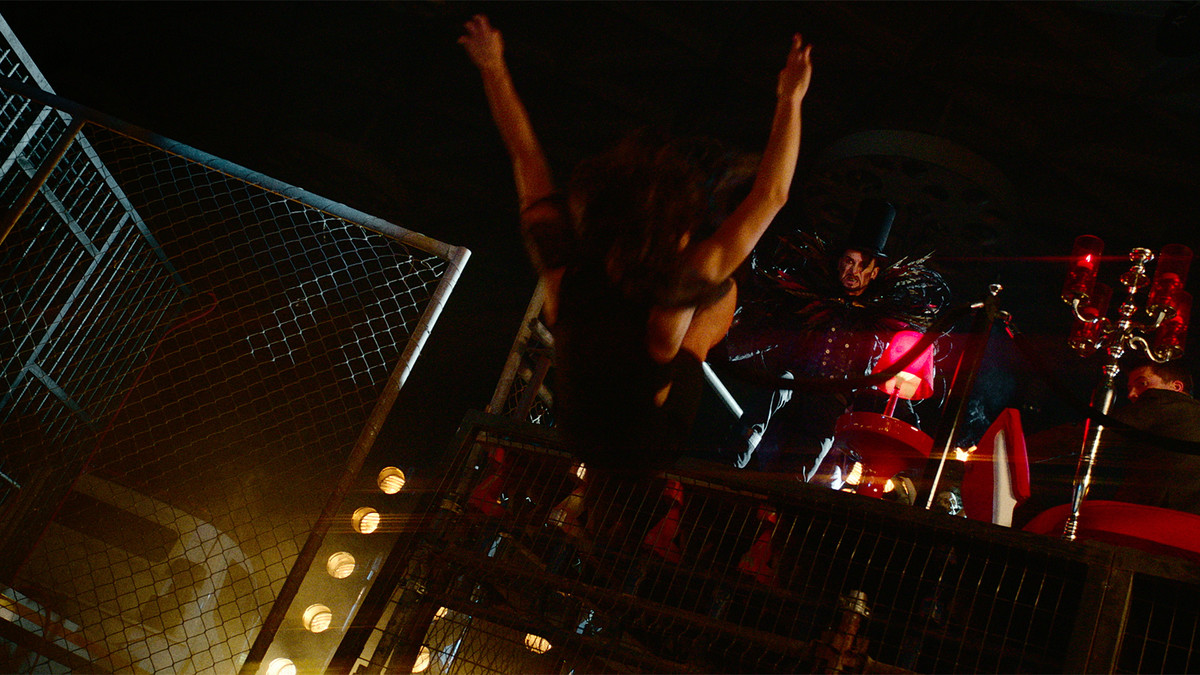
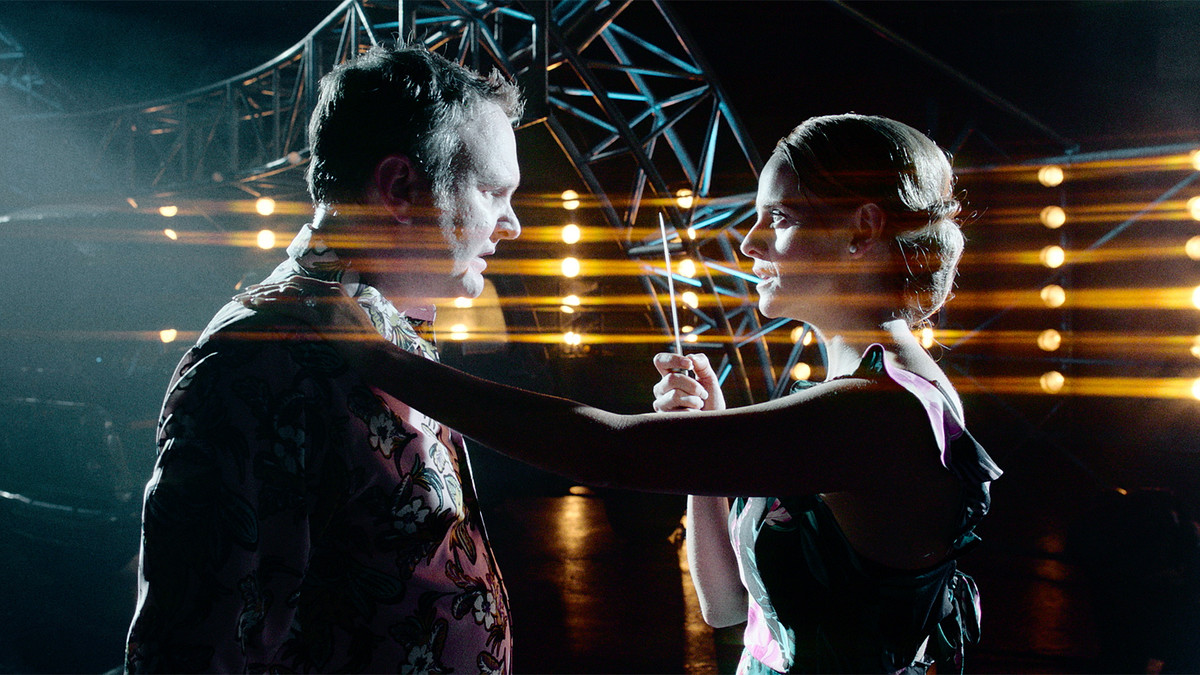
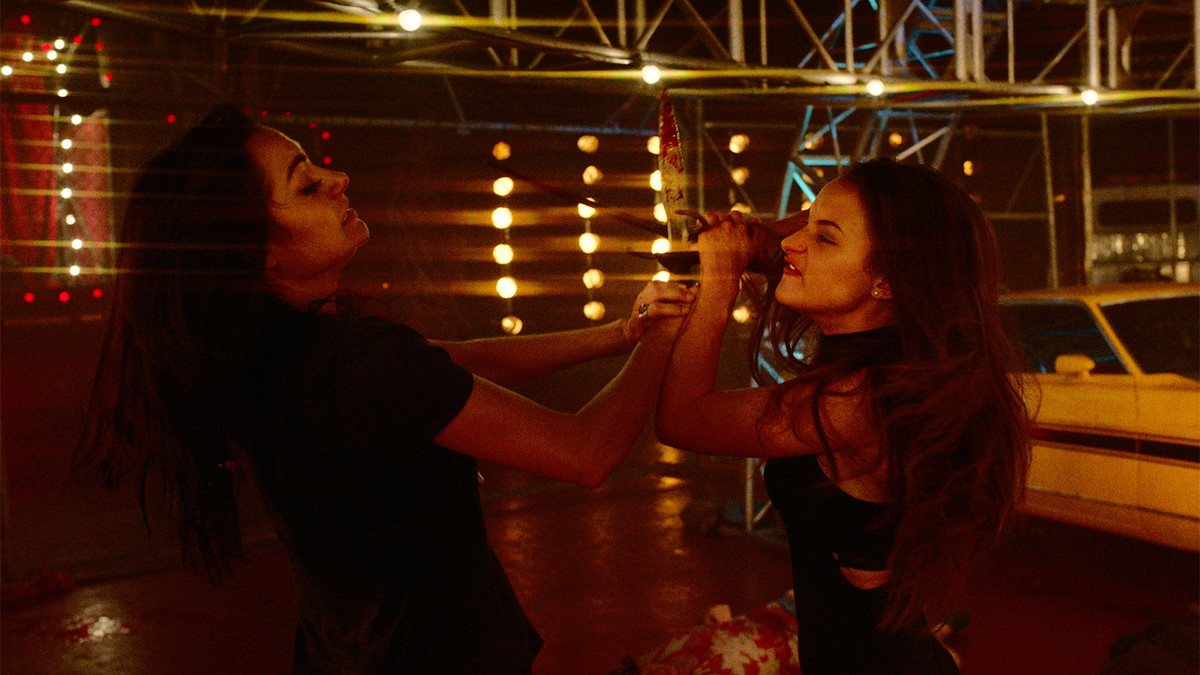
Blood Drive shooting photos


---- Morphological Variability -

This is not merely "mutation" or "defect." This is the raw material of evolution.

The emerging field of is finally embracing variability, using morphological data (from organ shape to metabolic rate) to tailor treatments to the individual, not the archetype. Variability as Resilience In an era of climate collapse and habitat fragmentation, morphological variability is no longer a niche academic curiosity. It is a survival metric.

In the grand theater of the natural world, we are conditioned to look for the script: the zebra’s stripes, the oak’s broad leaves, the human’s bilateral symmetry. We crave the comfort of the archetype. But nature, it turns out, is a poor student of its own rulebook. Beneath the surface of every species description lies a churning engine of difference—a phenomenon scientists call .

It is the biological equivalent of speaking in dialects. It is the reason no two snowflakes are alike, why one wolf’s skull differs slightly from its littermate’s, and why a single species of weed can thrive from the scorching desert to the damp forest floor. To understand morphological variability is to understand that life is not a sculpture, but a constant, fluid process of becoming. Morphology—the study of form and structure—has traditionally been the language of taxonomy. For centuries, naturalists drew precise lines between species based on the length of a feather or the curve of a petal. But variability is the "noise" in that signal. It is the measurable difference in shape, size, color, and structure among individuals of the same population.

A population of coral with high variability in heat tolerance has a future. A population where every polyp is a genetic identical twin has a death sentence. Conservation biologists are now arguing that we should protect not just "the species," but the range of forms within that species. We must save the small-bodied salmon as ardently as the large-bodied one, because we do not know which body plan will match the river of tomorrow. To look for the "perfect" specimen is to misunderstand life. Morphological variability is not an error in the blueprint; it is the blueprint. It is the engine of adaptation, the wellspring of speciation, and the quiet rebellion of biology against the tyranny of the average.

The result? Morphological revolution. City juncos have developed longer, more pointed beaks than their forest cousins. Why? Because city birds rely on bird feeders and processed seeds, while forest birds dig through leaf litter. Moreover, urban juncos have shorter wings (better for maneuvering around cars and buildings) and less white in their tails. In less than a century—a blink in evolutionary time—variability has begun to write a new species. We are not immune. Human morphology is famously variable: stature, skin pigmentation, limb proportions, and cranial features vary clinally (gradually) across geographic gradients. However, modern society has a fraught relationship with this reality. In medicine, ignoring morphological variability can be lethal. Most surgical instruments and drug dosages are historically designed for "average" male European bodies, leading to misdiagnosis or ineffective treatment for women and other ethnic groups.
By [Author Name]