×




Мы взяли весь свой многолетний опыт и вложили его в совершенно новую форму антидетекта Indigo!
Последнее обновление базы отпечатков
12.12.2024 15:15
Браузер Stealthfox
146 ядро
Браузер Mimic
145 ядро


Мы взяли весь свой многолетний опыт и вложили его в совершенно новую форму антидетекта Indigo!
Последнее обновление базы отпечатков
12.12.2024 15:15
Браузер Stealthfox
146 ядро
Браузер Mimic
145 ядро

С Indigo Вы - множество реальных пользователей и можете:
Использовать наш 7-летний опыт разработки антидетект технологий;
Автоматизировать и масштабировать процессы с расширением API;
Выбирать локальные или зашифрованное облачное хранилище;
Контролировать права доступа к своим проектам;
Быть уверенным благодаря 99,98% аптайму и быстрой многоязычной поддержке.
Без Indigo для сайта Вы - уникальный пользователь:
Сталкиваетесь с блокировками на разных сайтах;
Устали от медленных, трудоемких ручных процессов;
Переживаете за безопасность профилей;
Недовольны простоями и медленной поддержкой;
Идете на риск ради совместной работы над несколькими проектами.

Качественная работа в любых направлениях!
Мы - создатели лучшего на сегодняшний день антидетект решения, актуального во всех сферах деятельности!




Арбитраж трафика
Создавайте и управляйте множеством аккаунтов на платформах. Минимизируйте риск блокировок и эффективно проводите рекламные кампании.




Веб-скрейпинг
Indigo маскирует Вашу активность, предотвращая обнаружение и блокировку со стороны целевых сайтов. Это позволяет Вам без помех собирать и анализировать необходимые данные, экономя время и ресурсы.




Бонусхантинг
Безопасно используйте множество аккаунтов на беттинговых платформах и онлайн-казино.




Bounty & Airdrop
Управляйте множественными учетными записями и максимизируйте шансы на получение вознаграждения и успешное участие в токенсейлах.





E-commerce
Увеличьте доход и улучшите маркетинговые стратегии без опасений быть заблокированными.




Digital-агентства
Indigo исключает риски получить блокировку за мультиаккаунтинг и теневой бан, что обеспечивает безопасную работу медиа-агентств с рекламными кампаниями клиентов.




Анонимность
Есть две личности. Одна - Ваша, вторая - Indigo. О второй, кроме Вас, никто не узнает.
Резидентские прокси
Мы предоставляем доступ к прокси премиального качества, уже встроенным в браузер. Выбирайте из более 150 стран прокси с высокой чистотой IP-адресов и полностью защитите свой отпечаток.
Open API
Современное API решение для вашей работы. Поддерживаем браузерные драйверы Selenium, Playwright и Puppeteer.
Локальные и облачные профили
Создайте профиль в пару кликов и сохраните его на своем устройстве или в нашем облаке.
Антидетект браузер
Забудь о блокировках с нативными отпечатками браузеров.
Настройка одного профиля занимает не более 2 минут.
Все настройки отпечатка успешно подменяются, ни одна антифрод система не узнает реальных параметров вашего ПК.
Создавайте, клонируйте и передавайте ваши профили без ограничений.
Мобильный антидетект
В Индиго Х вы сможете эмулировать мобильный браузер с обычного компьютера или ноутбука.
Для серфинга в браузере больше не нужен телефон, теперь вы можете создавать множество мобильных профилей в Индиго.
Легкая автоматизация с помощью инструментов Selenium, Playwright и Puppeteer.
Гибкие настройки и высокий уровень защиты от блокировок и обнаружения.

Преимущества работы с Indigo!
Автоматизируйте свои процессы быстро и безопасно. Сделайте свою работу более эффективной с нами!

Избегайте блокировок с помощью маскировки отпечатков - сводите обнаружение к нулю

Создавайте надежные браузерные профили c нативными отпечатками
Избегайте блокировок с помощью маскировки отпечатков - сводите обнаружение к нулю
For the working members, the story moves to a train or a shared auto-rickshaw. Ramesh’s daily commute is a microcosm of the nation—strangers pressed against strangers, helping a passenger pass a fare forward, sharing an umbrella, or breaking into a loud argument about cricket. The office is a respite from the heat, but the family is never far away. A phone call at noon: “Ramesh, don’t forget to buy curd on the way back.” A text to Priya: “Did you eat the tiffin?”
It is a life of "jugaad" —a colloquial term for a creative, low-cost fix. But it also applies to emotions. When there isn't enough space, the family makes space. When there isn't enough money, the family shares what little there is. These daily stories, whether set in a joint family in a dusty village or a nuclear family in a high-rise apartment, all share a common heart: a resilient, loud, loving chaos that insists, above all else, that no one faces the world alone. And that, perhaps, is the most solid truth of the Indian lifestyle.
Dinner is a sacred, noisy affair. Unlike the silent, plated meals of the West, the Indian dinner is a family-style free-for-all. Rotis are passed, daal is ladled, and fingers touch the warm bread to scoop up vegetables. There is no "no cellphone" rule; instead, there is a rule that everyone must share one funny thing that happened to them. The mother inevitably ends up eating the least, ensuring everyone else has had the crispy bhindi (okra) or the last piece of pickle.
The stories at dinner are the most vivid. Priya might narrate a story of a college professor who gave an impossible assignment. Arjun might recount a near-miss with a speeding bus. The parents counter with their own stories of survival from their youth, walking miles to school or fixing a broken radio with a hairpin. In this exchange, values are transmitted. Bravery, resilience, and frugality are not taught in lectures; they are absorbed through these nightly anecdotes.
The story of Indian family life is not one of grand gestures or dramatic turning points. It is a collection of micro-moments: the clinking of bangles as a mother stirs tea, the shared newspaper torn into four sections, the thunderous silence after a quarrel, and the laughter that follows when the family pet does something silly.
Long before the sun rises over the smoggy skyline of a metro city or the dew-laden fields of a village, the day begins. It begins not with an alarm clock, but with the clinking of prayer bells in the puja room. The matriarch of the family is always the first to stir. In a middle-class home in Mumbai, this might be Meena, a 52-year-old schoolteacher. Her day is a masterclass in efficiency. While the water boils for chai, she lights the incense stick, murmuring a quick prayer for the safety of her husband, Ramesh, who has a long commute, and her two children, Priya and Arjun, who are navigating the complexities of college and a new corporate job, respectively.
The kitchen is the engine room. Breakfast is not a solitary, silent meal of cereal. It is a communal production line. Meena prepares dosa batter from a fermented mix she ground at 5 AM, while Ramesh reads the newspaper aloud, grumbling about inflation. Priya packs her laptop bag while simultaneously helping her mother chop coriander for the chutney. Arjun, bleary-eyed, scrolls through his phone, occasionally offering a grunt of acknowledgment. This is not chaos; it is choreographed efficiency. The family moves in a flow that requires no words—a hand reaches for a cup of chai just as it is poured; a plate is slid across the table exactly where a person is about to sit.
The daily life is riddled with small, beautiful inefficiencies. A simple task like paying an electricity bill turns into a thirty-minute detour because Meena stops to chat with the neighbor about her daughter’s wedding. A trip to the temple turns into a family outing with street food and a minor argument over who gets the last piece of jalebi .
The rhythm of an Indian household is unlike any other. It is a symphony of clanking steel utensils from the kitchen, the pressure cooker’s whistle, the blaring horns from the street below, and the overlapping voices of multiple generations debating politics, film stars, or the price of vegetables. To understand the Indian family lifestyle is to understand the concept of “adjustment” — a word that carries the weight of a philosophy. It is a life lived in close quarters, not just physically, but emotionally, where the boundary between the individual and the collective is beautifully, and sometimes chaotically, blurred.
Почему стоит выбрать антидетект браузер Indigo!
Изучите все преимущества нашего браузера и сделайте свой выбор
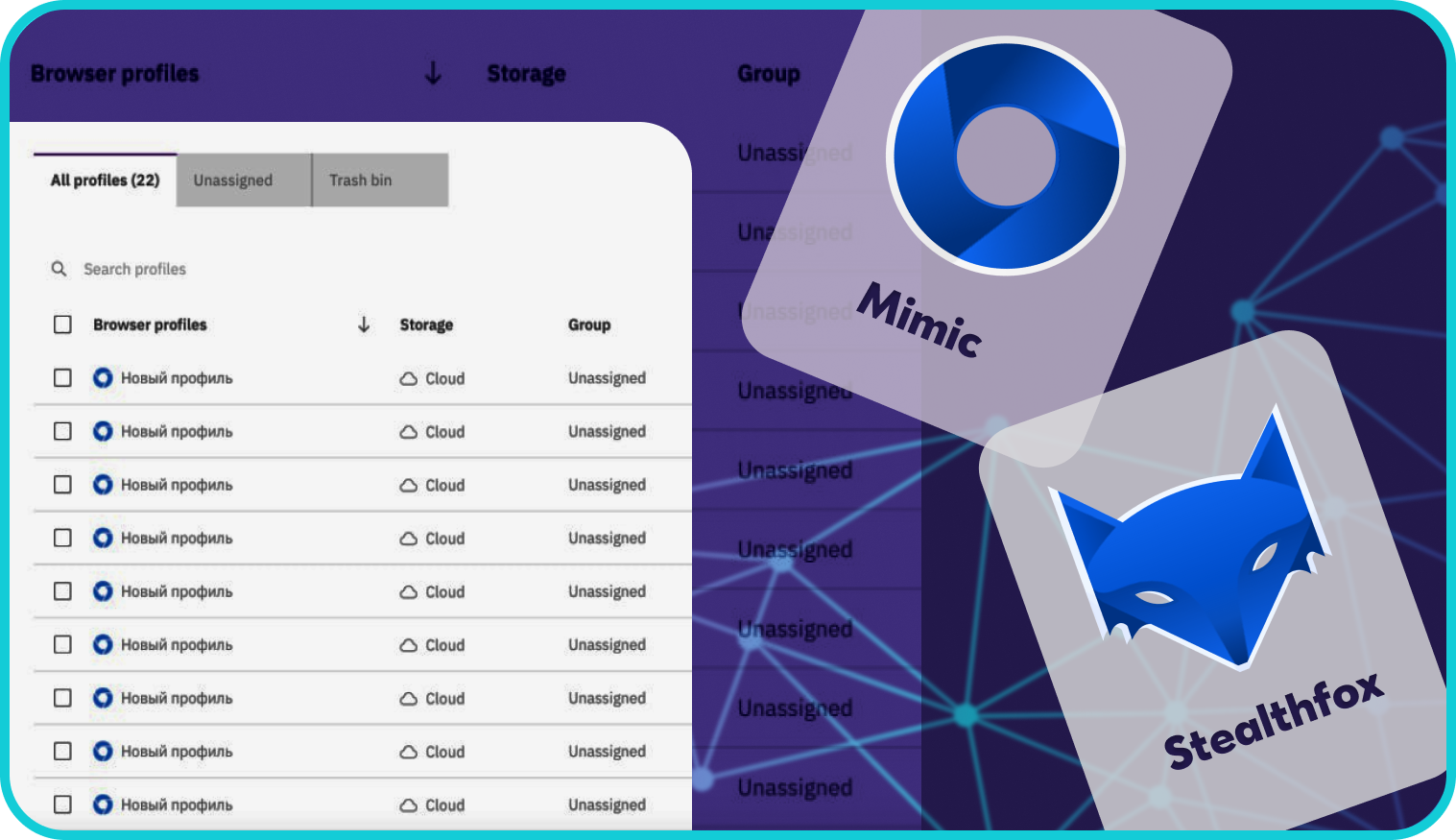
Браузеры
Мы поддерживаем сразу два современных браузера с лучшими технологиями защиты на основе Mimic и Stealthfox.
А так же мобильные Android профили с высокой степенью защиты.
Почему стоит выбрать антидетект браузер Indigo!
Изучите все преимущества нашего браузера и сделайте свой выбор
Браузеры
Мы поддерживаем сразу два современных браузера с лучшими технологиями защиты на основе Mimic и Stealthfox.
А так же мобильные Android профили с высокой степенью защиты.
Часто задаваемые вопросы
Всё, что нужно знать для старта!
For the working members, the story moves to a train or a shared auto-rickshaw. Ramesh’s daily commute is a microcosm of the nation—strangers pressed against strangers, helping a passenger pass a fare forward, sharing an umbrella, or breaking into a loud argument about cricket. The office is a respite from the heat, but the family is never far away. A phone call at noon: “Ramesh, don’t forget to buy curd on the way back.” A text to Priya: “Did you eat the tiffin?” --- Savita Bhabhi Comics Pdf Kickass Hindi 212 WORK
It is a life of "jugaad" —a colloquial term for a creative, low-cost fix. But it also applies to emotions. When there isn't enough space, the family makes space. When there isn't enough money, the family shares what little there is. These daily stories, whether set in a joint family in a dusty village or a nuclear family in a high-rise apartment, all share a common heart: a resilient, loud, loving chaos that insists, above all else, that no one faces the world alone. And that, perhaps, is the most solid truth of the Indian lifestyle.
Dinner is a sacred, noisy affair. Unlike the silent, plated meals of the West, the Indian dinner is a family-style free-for-all. Rotis are passed, daal is ladled, and fingers touch the warm bread to scoop up vegetables. There is no "no cellphone" rule; instead, there is a rule that everyone must share one funny thing that happened to them. The mother inevitably ends up eating the least, ensuring everyone else has had the crispy bhindi (okra) or the last piece of pickle. For the working members, the story moves to
The stories at dinner are the most vivid. Priya might narrate a story of a college professor who gave an impossible assignment. Arjun might recount a near-miss with a speeding bus. The parents counter with their own stories of survival from their youth, walking miles to school or fixing a broken radio with a hairpin. In this exchange, values are transmitted. Bravery, resilience, and frugality are not taught in lectures; they are absorbed through these nightly anecdotes.
The story of Indian family life is not one of grand gestures or dramatic turning points. It is a collection of micro-moments: the clinking of bangles as a mother stirs tea, the shared newspaper torn into four sections, the thunderous silence after a quarrel, and the laughter that follows when the family pet does something silly. A phone call at noon: “Ramesh, don’t forget
Long before the sun rises over the smoggy skyline of a metro city or the dew-laden fields of a village, the day begins. It begins not with an alarm clock, but with the clinking of prayer bells in the puja room. The matriarch of the family is always the first to stir. In a middle-class home in Mumbai, this might be Meena, a 52-year-old schoolteacher. Her day is a masterclass in efficiency. While the water boils for chai, she lights the incense stick, murmuring a quick prayer for the safety of her husband, Ramesh, who has a long commute, and her two children, Priya and Arjun, who are navigating the complexities of college and a new corporate job, respectively.
The kitchen is the engine room. Breakfast is not a solitary, silent meal of cereal. It is a communal production line. Meena prepares dosa batter from a fermented mix she ground at 5 AM, while Ramesh reads the newspaper aloud, grumbling about inflation. Priya packs her laptop bag while simultaneously helping her mother chop coriander for the chutney. Arjun, bleary-eyed, scrolls through his phone, occasionally offering a grunt of acknowledgment. This is not chaos; it is choreographed efficiency. The family moves in a flow that requires no words—a hand reaches for a cup of chai just as it is poured; a plate is slid across the table exactly where a person is about to sit.
The daily life is riddled with small, beautiful inefficiencies. A simple task like paying an electricity bill turns into a thirty-minute detour because Meena stops to chat with the neighbor about her daughter’s wedding. A trip to the temple turns into a family outing with street food and a minor argument over who gets the last piece of jalebi .
The rhythm of an Indian household is unlike any other. It is a symphony of clanking steel utensils from the kitchen, the pressure cooker’s whistle, the blaring horns from the street below, and the overlapping voices of multiple generations debating politics, film stars, or the price of vegetables. To understand the Indian family lifestyle is to understand the concept of “adjustment” — a word that carries the weight of a philosophy. It is a life lived in close quarters, not just physically, but emotionally, where the boundary between the individual and the collective is beautifully, and sometimes chaotically, blurred.
Эксперты давно признали высокий уровень работы Indigo!
Наш браузер - лауреат множества профессиональных премий и давно признан сообществом одним из самых эффективных







Остались вопросы?
Напишите в саппорт и наш специалист ответит менее, чем за минуту