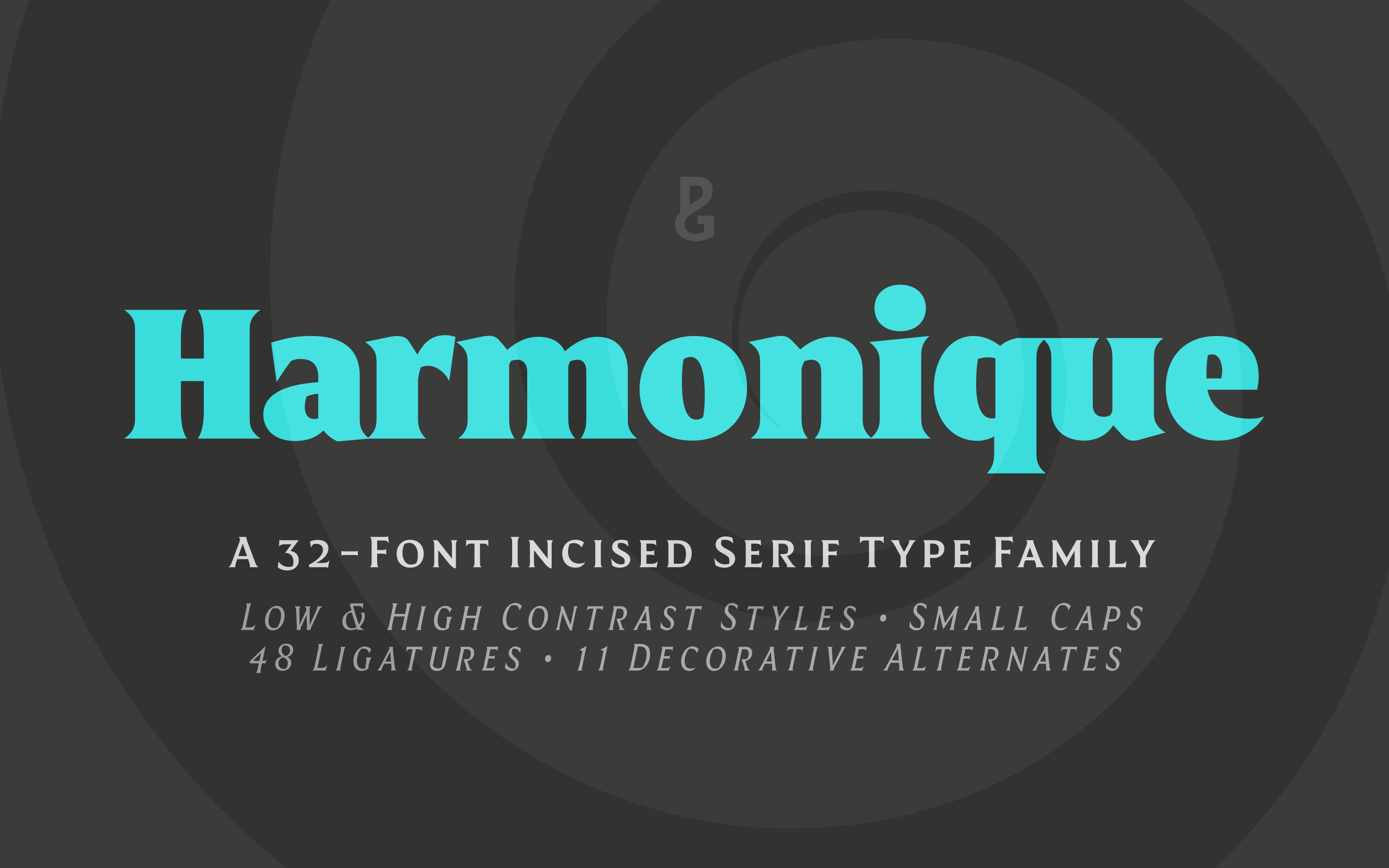
An Incised Serif Type Family

This typeface is part of The Monotype Library.
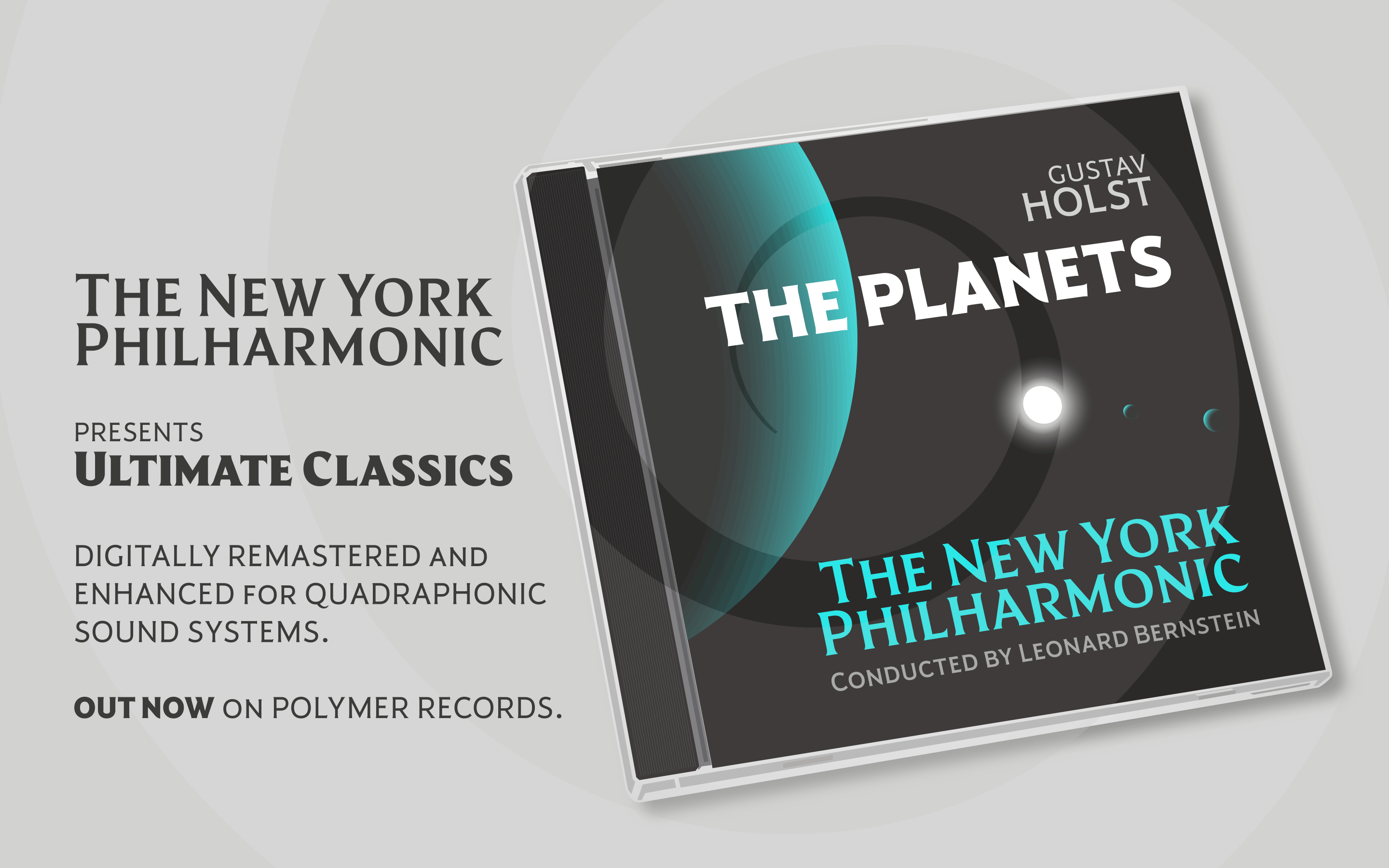
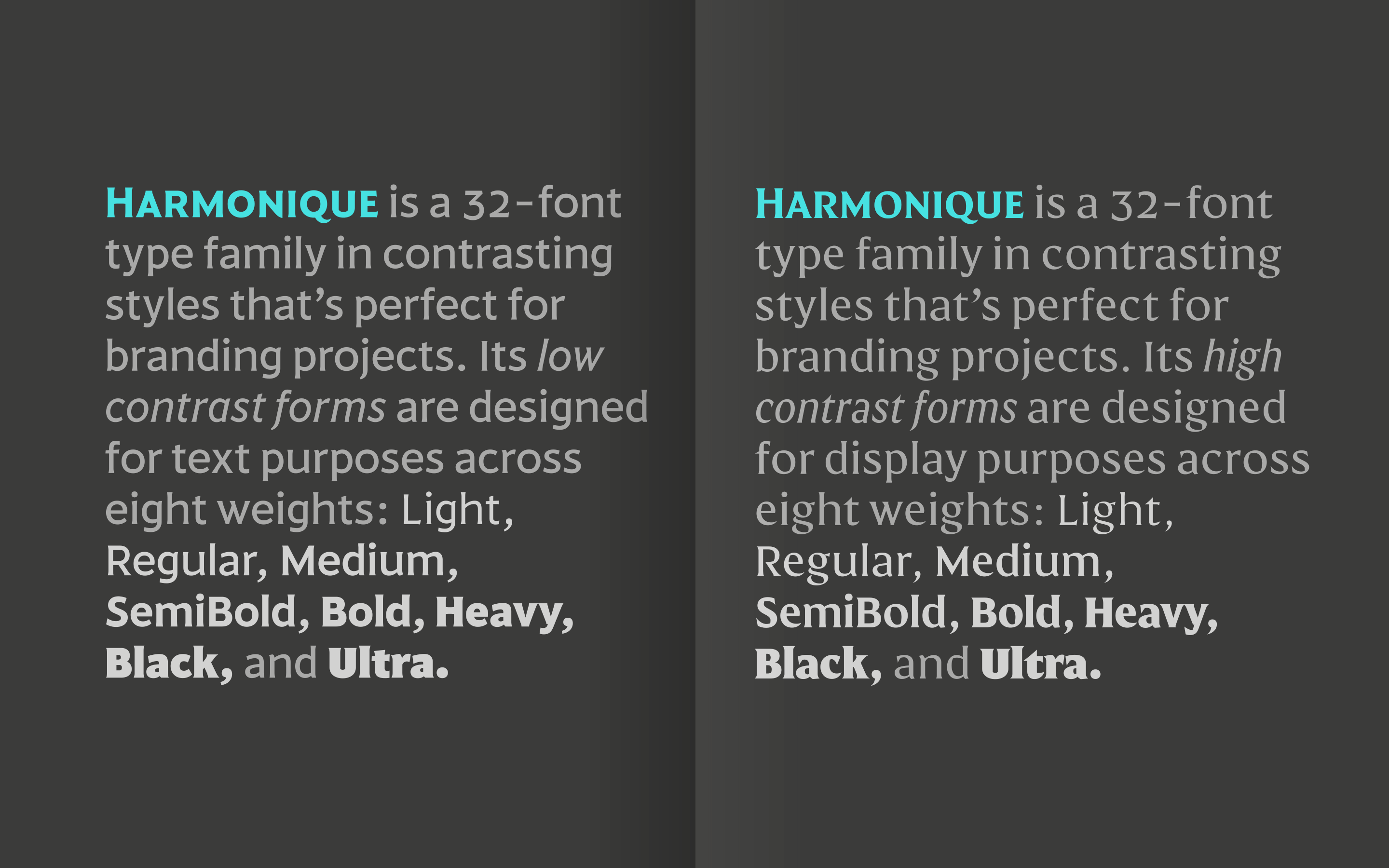
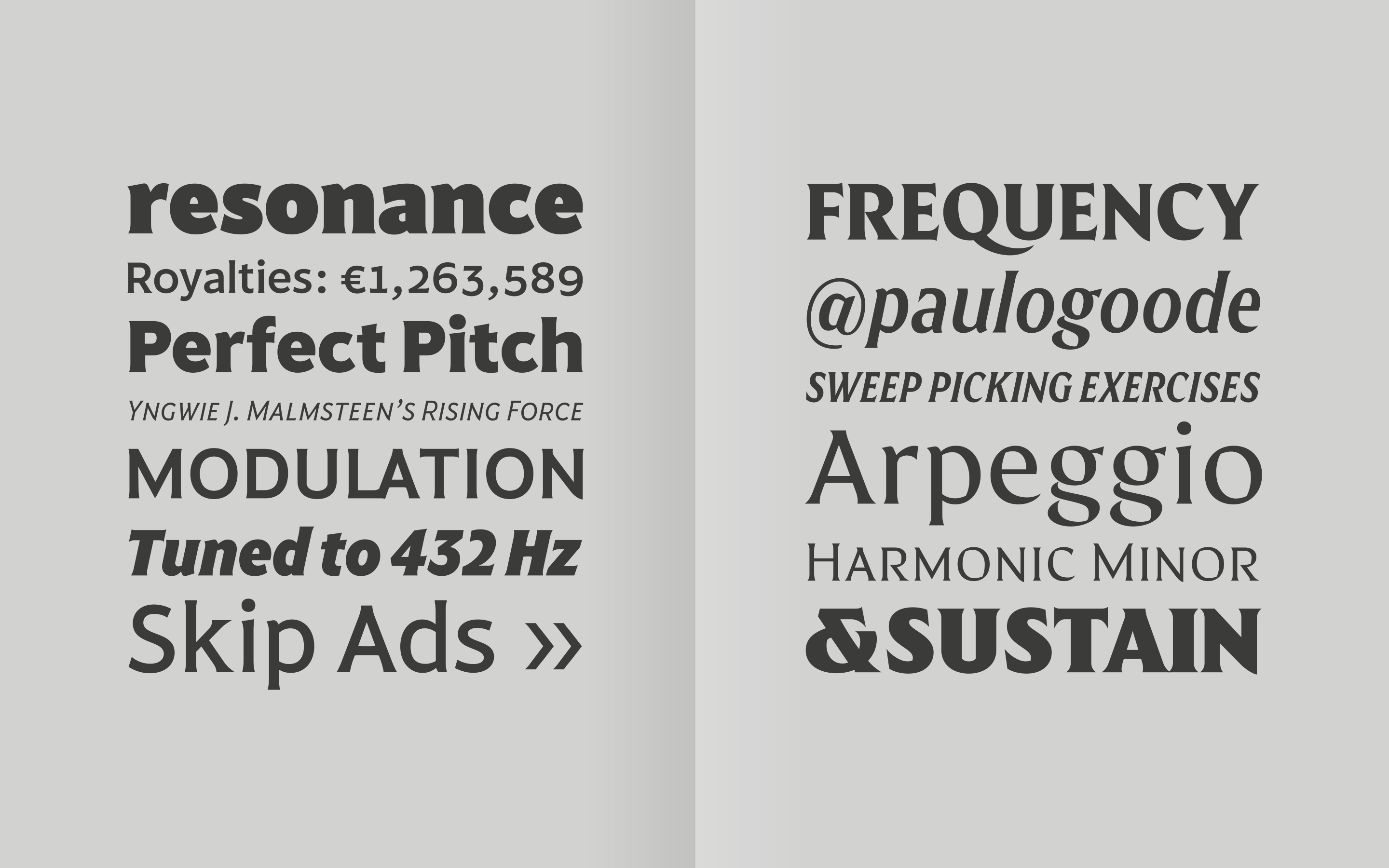
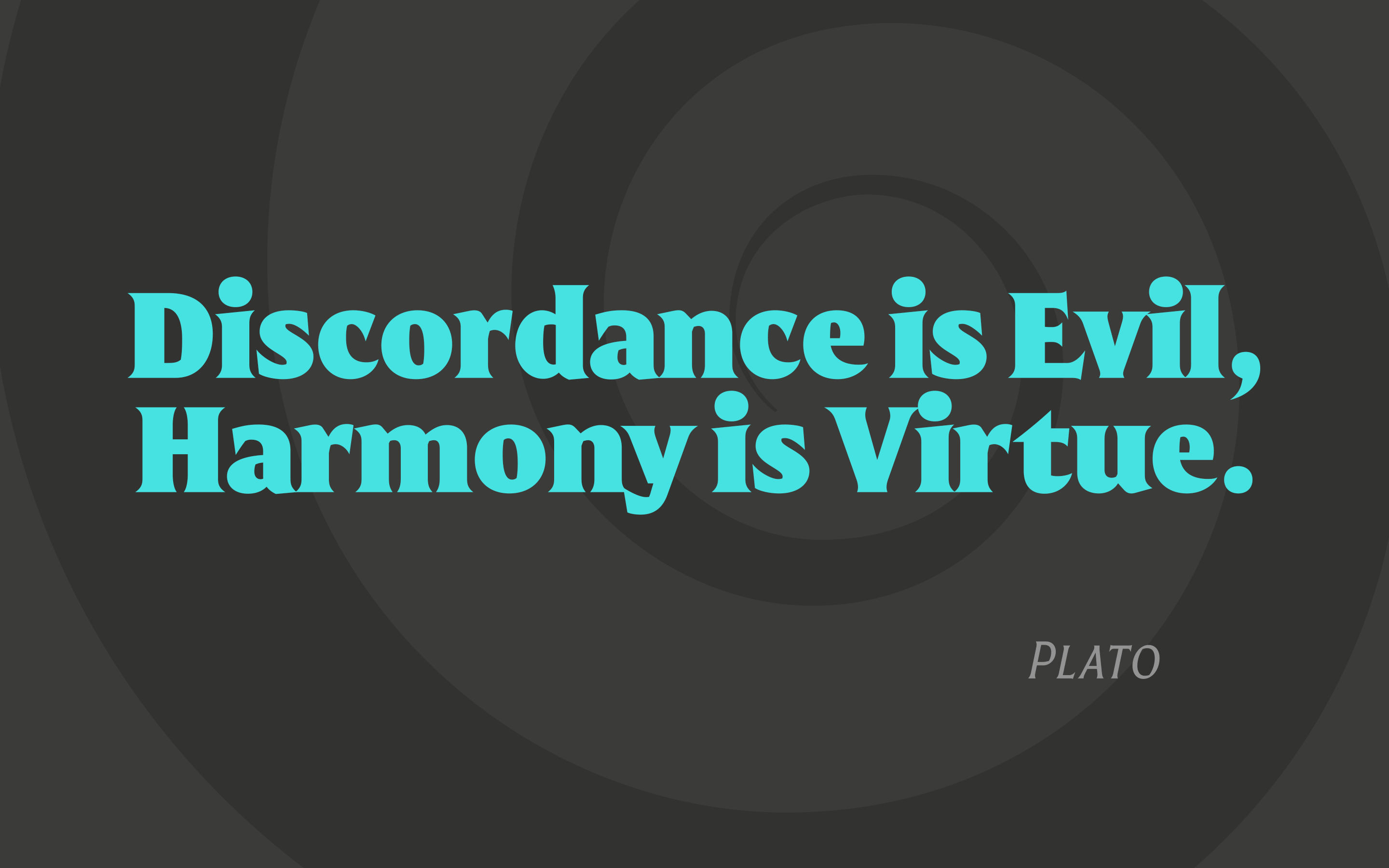
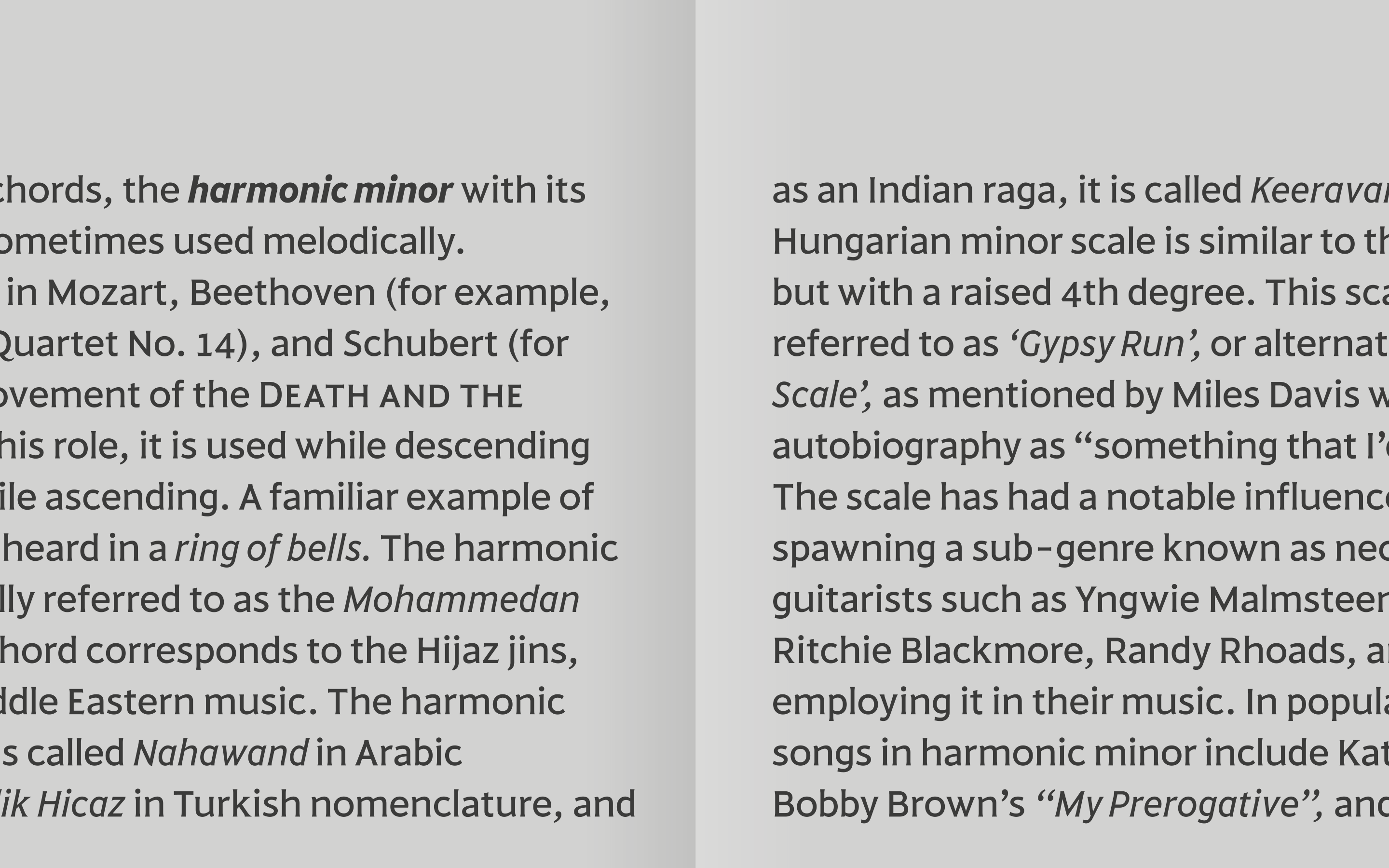
Harmonique is an incised serif typeface designed for both text and display purposes. It’s a type family of two styles that work in harmony together to add distinction and personality to your own typographic compositions. Harmonique’s low contrast forms have the appeal of a humanist sans serif typeface. Its subtly flared terminals evoke the craft and skill of a signwriter’s steady hand, creating an authentic and pleasing aesthetic. Harmonique Display is more calligraphic in its structure – as if drawn by a wide-nibbed pen. This style is accentuated by aggressively barbed serifs and chiselled arcs in its counters and bowls. These strong characteristics help to define a flamboyant, confident style that will provide impact and flair to your headlines, titles and identity designs.
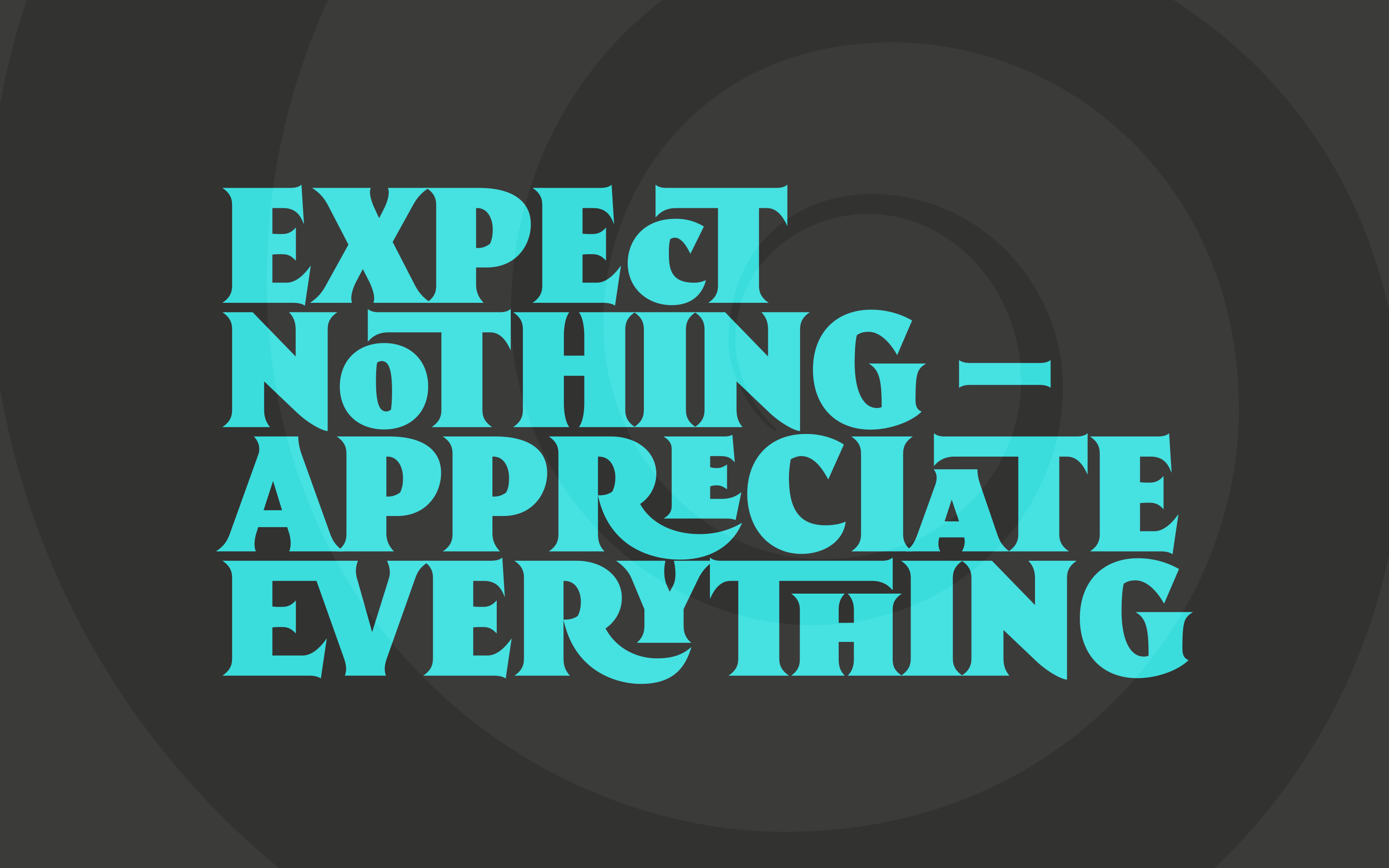
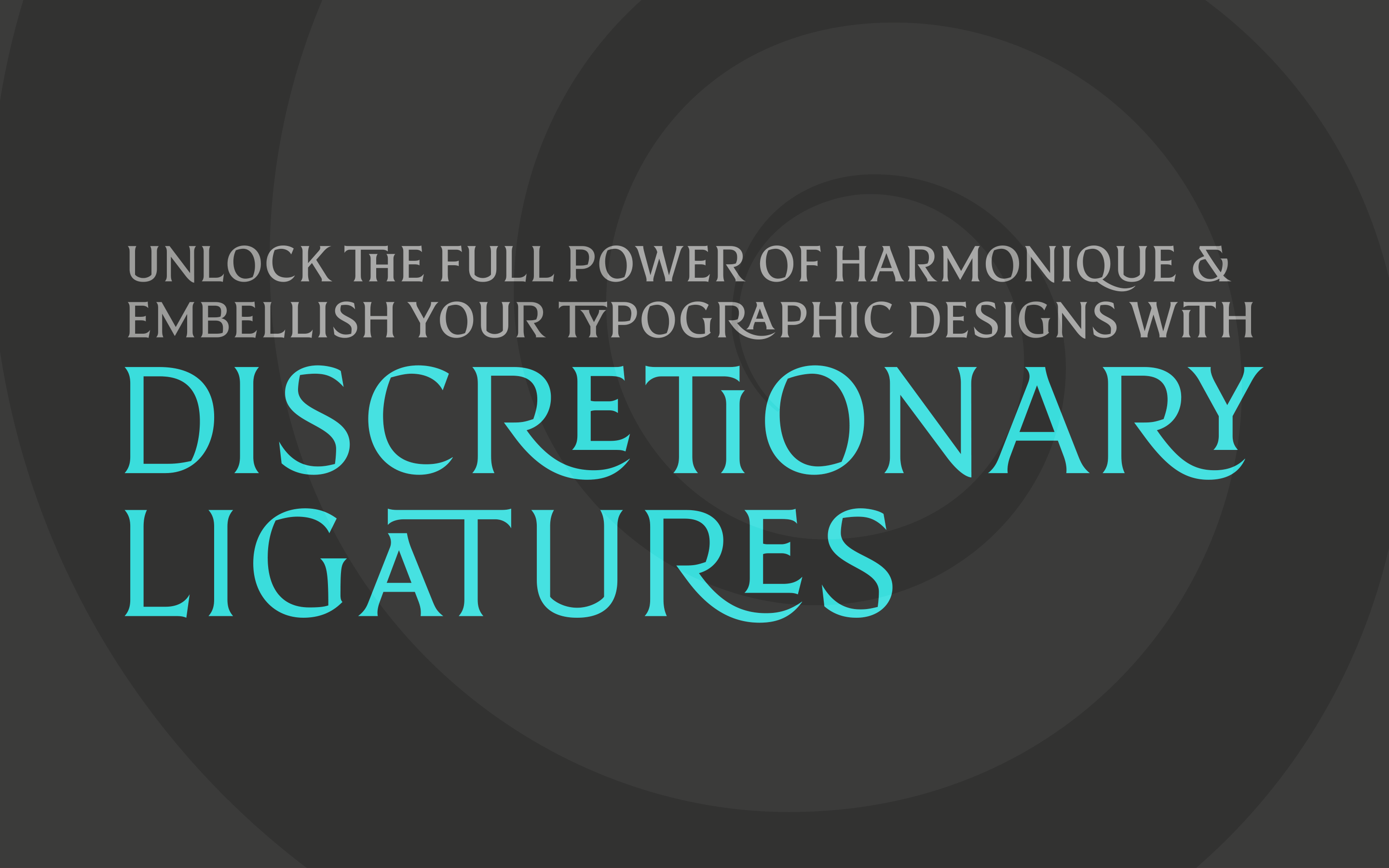
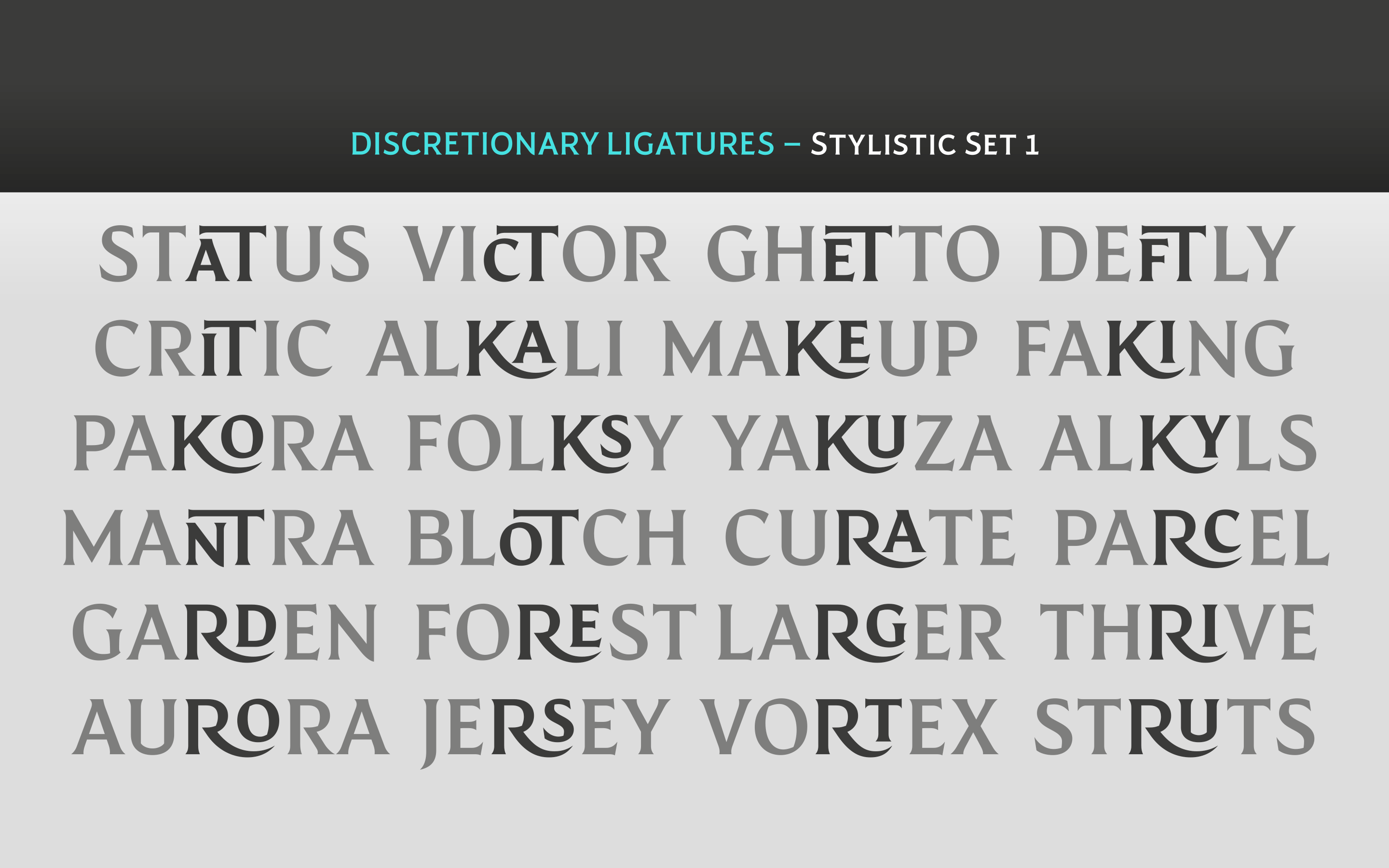
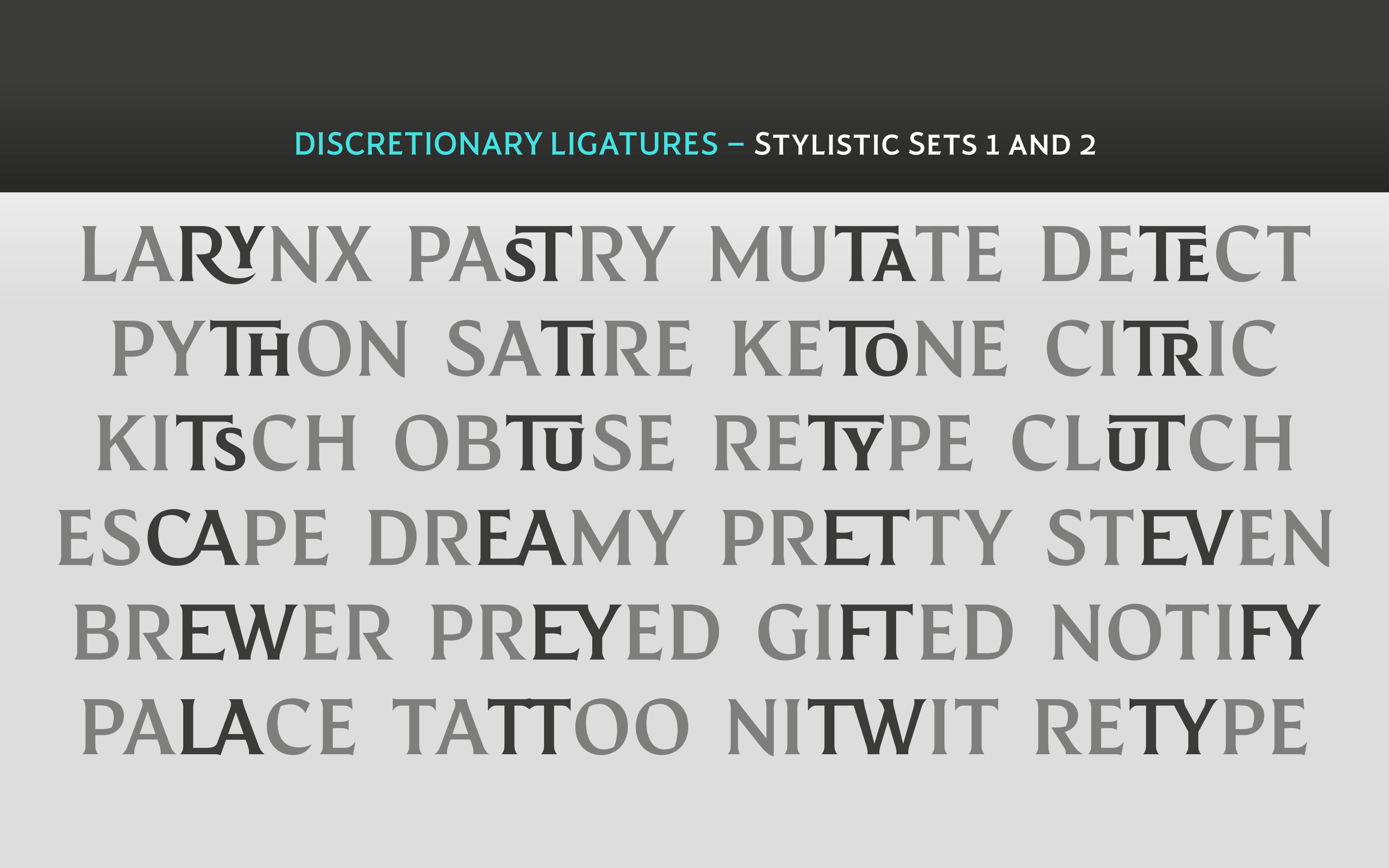
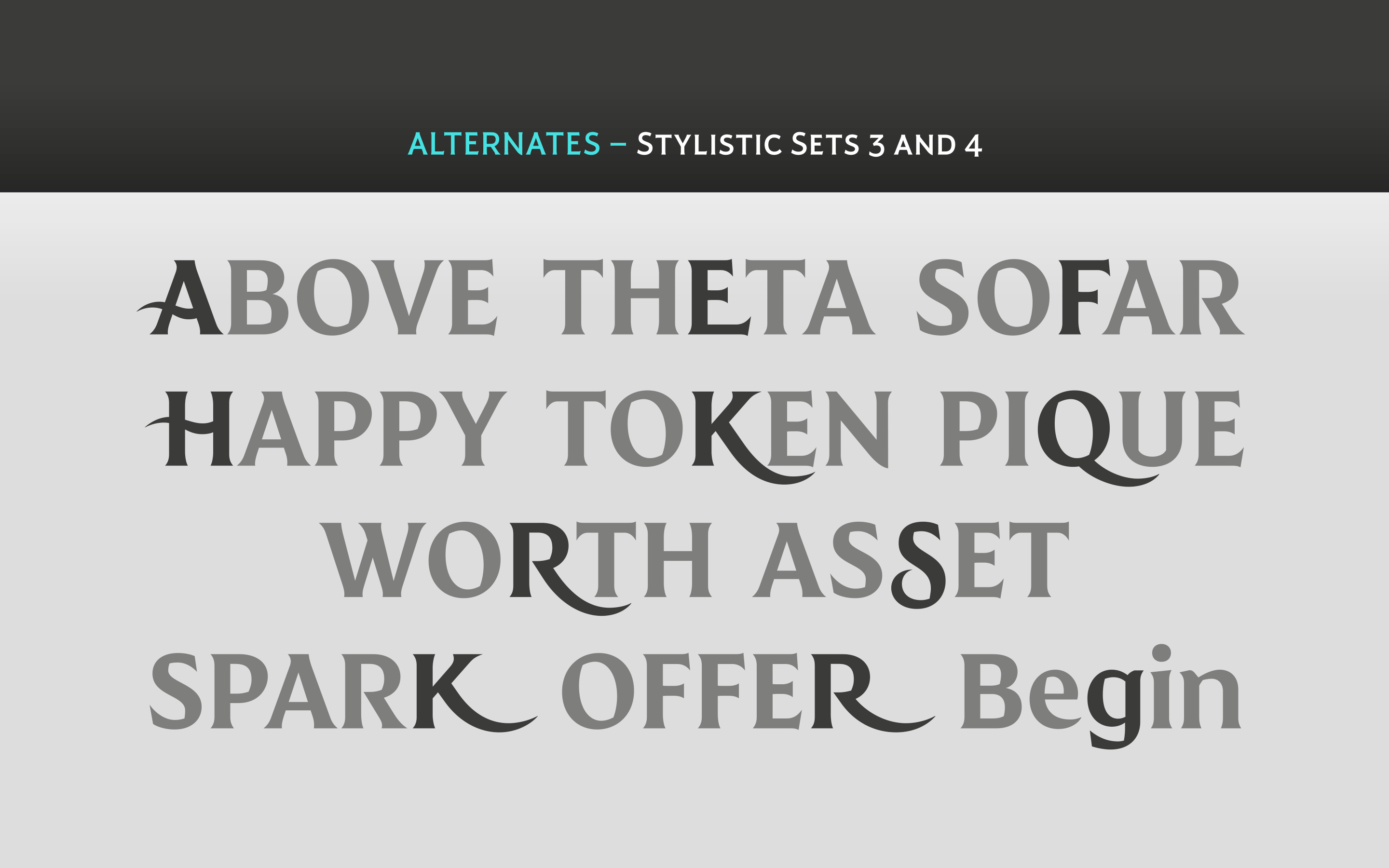
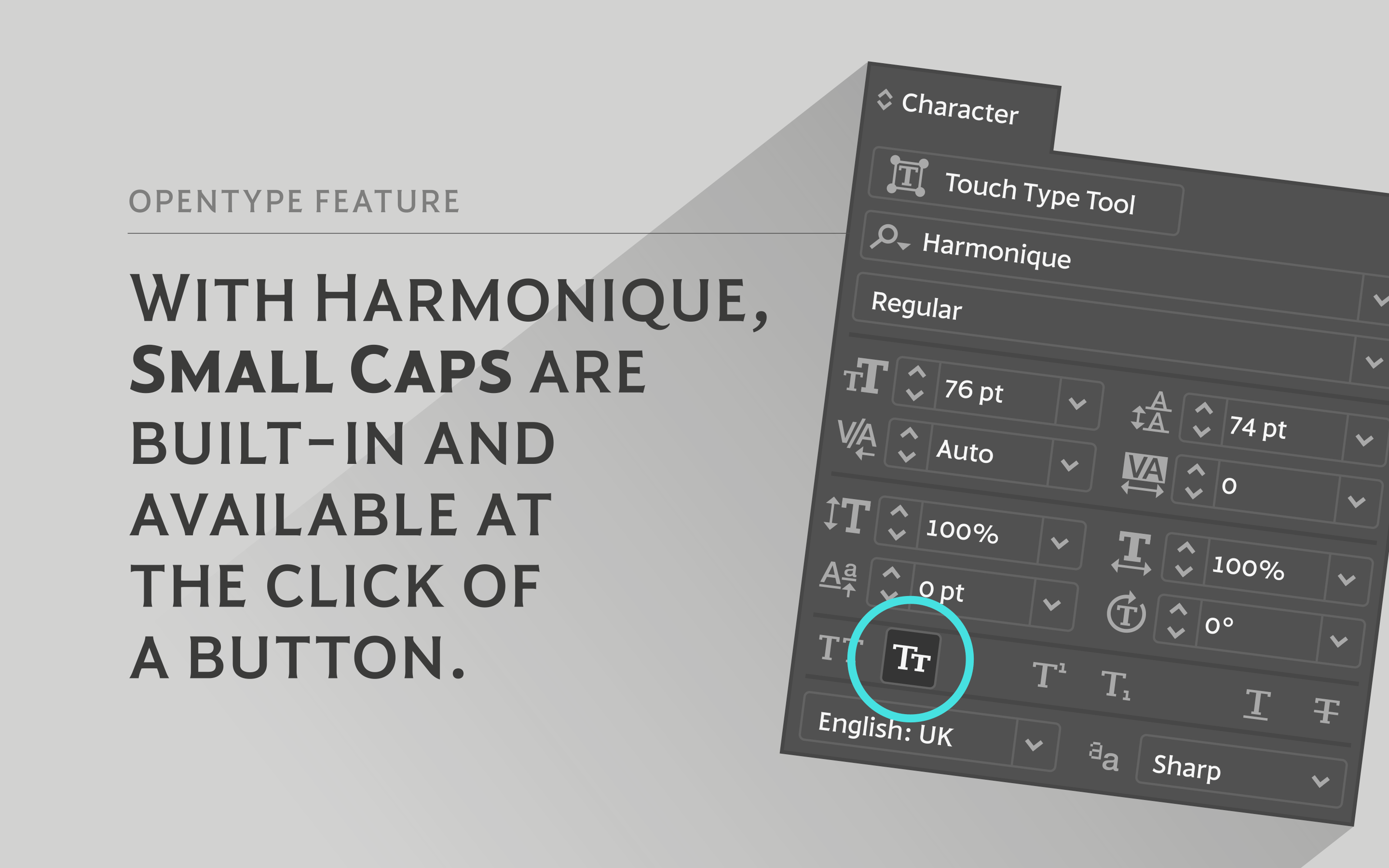
Practical features include 48 ligatures that will enhance titling possibilities with their all-capital pairings – these are accesssed by turning on Discretionary Ligatures and then selecting either Sylistic Set 1 or 2. There are also a number of alternate caps that will subtly enhance your titles and headlines – access these via Stylistc Sets 3 and 4. Small Caps are included too (along with their matching diacritics) – adding another layer of versatility to this typeface. Proportional Lining figures are available as an option if you prefer them to the default Old Style figures.
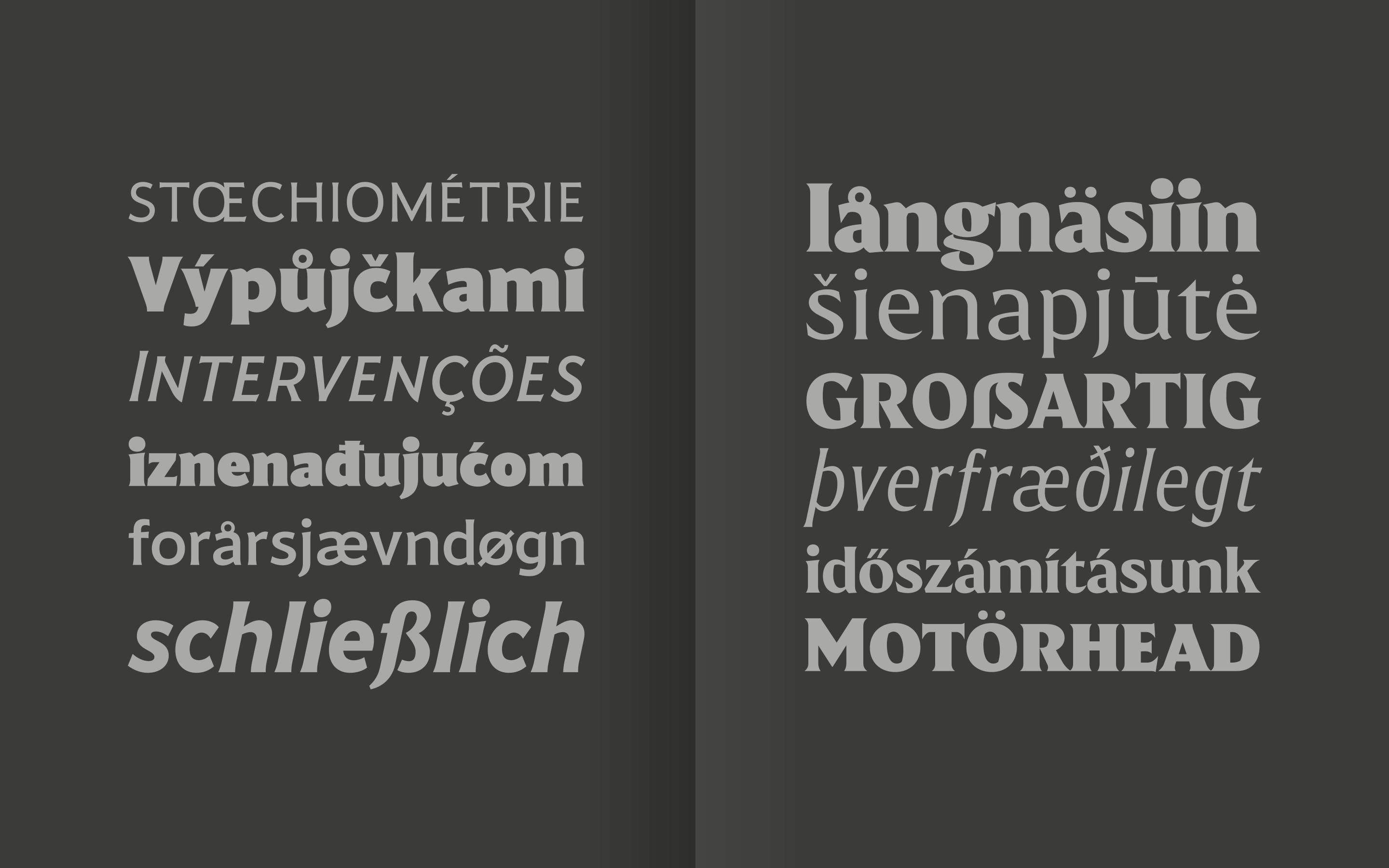
There are 32 fonts altogether, with 8 weights in roman and italic from Light to Ultra in both text (low contrast) and display (high contrast) styles. Harmonique has an extensive character set (650+ glyphs) that covers every Latin European language.
SUGGESTED FONT PAIRING: Harmonique and Stasis.
| Release Date | April 2021 |
| Classification | Incised Serif |
| No. of Fonts | 32 |
| Weights & Styles |
|
| Alternates | 11 |
| Ligatures | 48 |
| Small Caps | Yes |
| No. of Glyphs | 650+ |
| Language Support | European – Latin Only |

Stay tuned, and remember: "Hey Maa... Mataji!"
In an era where TV serials thrive on saas-bahu drama, kidnapping plots, and memory loss, TMKOC is a safe harbor. There are no villains. The "villain" is usually a misunderstanding, a power outage, or Bagha accidentally breaking a phone. It is the television equivalent of a warm hug.
Let’s dive into why Gokuldham Society continues to be the best address in the television universe. The premise is simple: A journalist named Taarak Mehta helps his neighbor, the wealthy and short-tempered Jethalal Champaklal Gada, solve problems using wit and wisdom. But the magic lies in the residents. Taarak Mehta Ka Ooltah Chashmah
The show captures the essence of Chai , Tapri , and Mumbai society culture . It reminds us of a time when neighbors weren't strangers, when building a Ganesh idol wasn't a competition but a community event, and when the biggest crime was eating Jalebi Fafda without paying.
Yet, every evening at 8:30 PM, the TRP charts show that India still tunes in. Why? Because Jethalal’s misery is our comfort food. Taarak Mehta Ka Ooltah Chashmah is not a perfect show. It is a flawed, aging, but eternally optimistic giant. It represents a world we wish we lived in—where the Kavita Kavi writes is terrible, but everyone claps anyway; where Bhide’s discipline annoys you, but you respect him; where despite the fights, every Gokuldham resident shows up for the other at 3 AM. Stay tuned, and remember: "Hey Maa
For over a decade and a half, while the world outside changed at breakneck speed, one thing remained a comforting constant for millions of Indian families: the 8:30 PM jingle of Taarak Mehta Ka Ooltah Chashmah (TMKOC).
Based on the column Duniya Ne Oondha Chashma by the legendary journalist Taarak Mehta, the show has become more than just a daily soap. It is a ritual, a stress-buster, and surprisingly, a moral science class disguised as a comedy show. The "villain" is usually a misunderstanding, a power
So why do we keep watching?
In a chaotic world, we all need a Jethalal to make us laugh and a Taarak Mehta to set us straight.
Beneath the slapstick, Taarak Mehta is always explaining philosophy. Episodes tackle real issues: corruption, education system flaws, female feticide, communal harmony, and even the importance of digital payments. You laugh, but you also learn. The Elephant in the Room: The Deterioration A fair blog post cannot ignore the criticism. Fans have noted a dip in quality. The departure of original actors like Disha Vakani (Daya) and Shailesh Lodha (Taarak) left a void that new characters struggle to fill. The writing has become repetitive, and the comedy sometimes feels forced.