Max The Elf Apk Information
| App Name | Max The Elf |
| Version | 5.03 |
| File Size | 550 MB |
| Package ID | com.Catfort.MaxTheElf |
| Category | Action |
| Last Updated | October 24, 2024 |
Embark on a Magical Journey Full of Wonder, Mischief, and Legendary Adventures!
Download Now| App Name | Max The Elf |
| Version | 5.03 |
| File Size | 550 MB |
| Package ID | com.Catfort.MaxTheElf |
| Category | Action |
| Last Updated | October 24, 2024 |


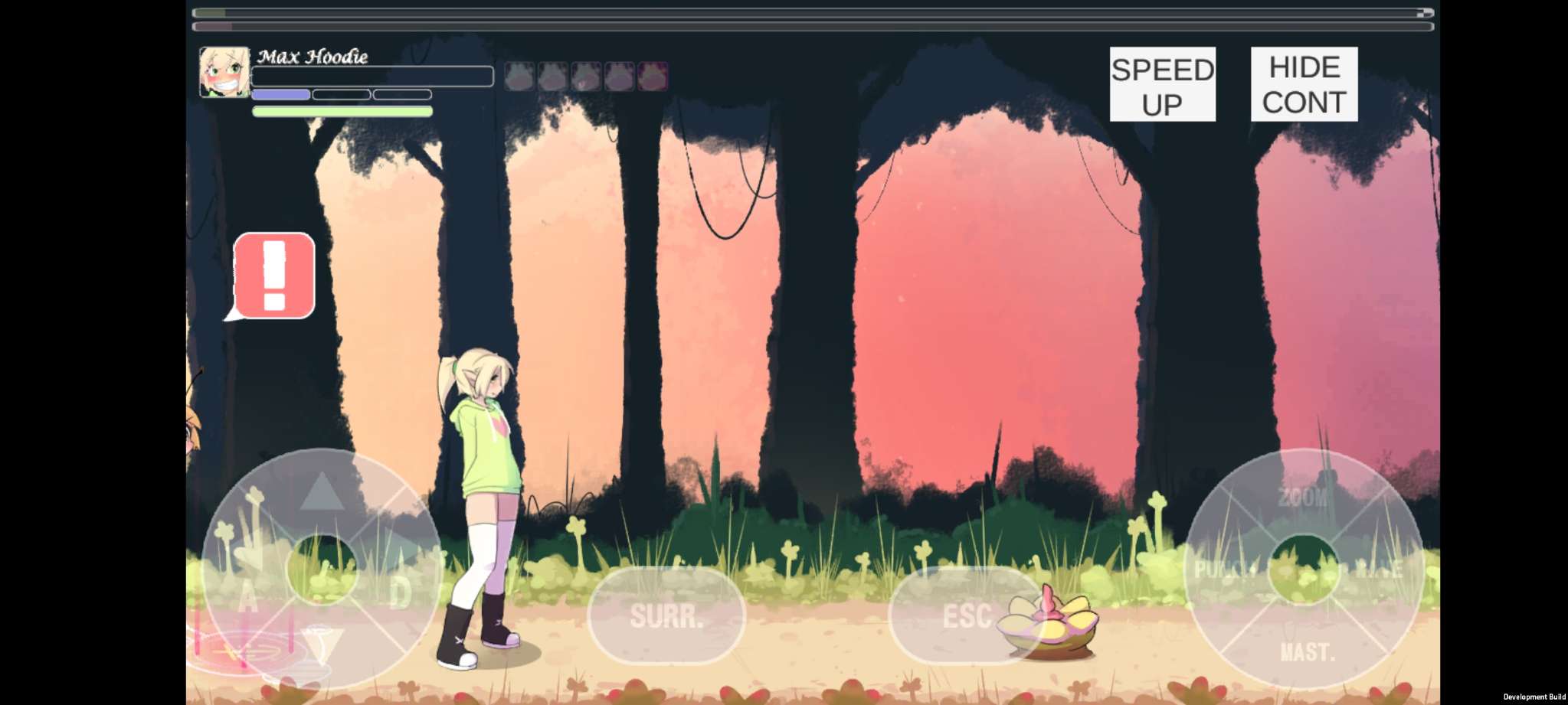

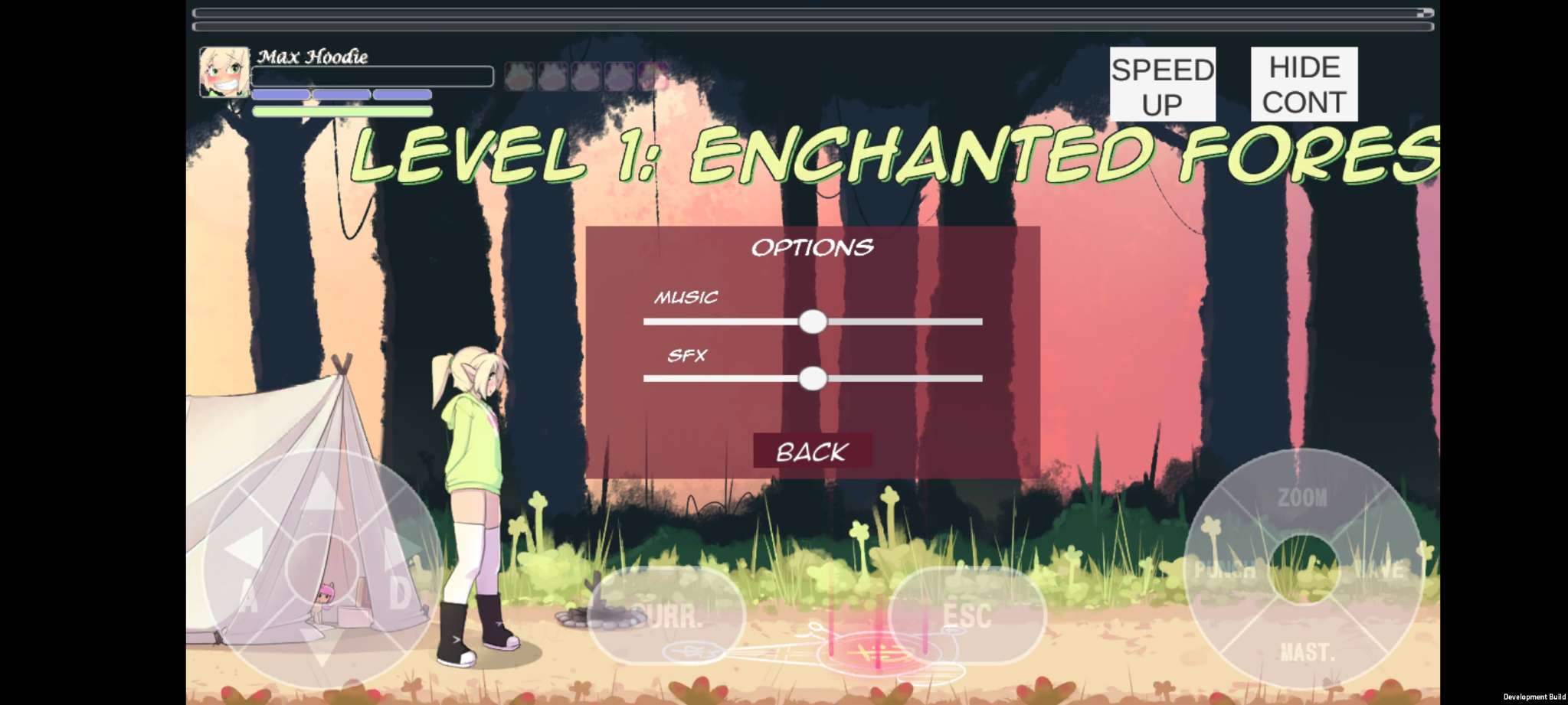
Step into the magical world of Elvoria, where you guide Max on thrilling adventures. Dive into quests, tackle challenges, and meet intriguing characters along the way.
Test your wits and reflexes with clever puzzles and traps. Each challenge keeps the game exciting and unpredictable.
Choose from elf warriors with distinct abilities. Whether you prefer speed, magic, or raw strength, there’s a playstyle to match your approach. Customize abilities to fit your strategy.
Explore every corner to uncover hidden treasures. Use these findings to upgrade Max’s skills. It will unlock powerful new abilities and improve the ones you already have.
Experience levels that change as you progress. New environments and tougher challenges keep the journey engaging.
Take a break from the main story with mini-games, collectibles, and side quests. These offer extra rewards and enrich the overall experience.
The true global explosion of Cholita entertainment, however, is a product of the digital media age. YouTube, Netflix, and Instagram have taken the casero spectacle from the smoky arenas of El Alto to living rooms worldwide. Viral clips of luchadoras executing suplexes in bowler hats have garnered millions of views, while documentaries and feature segments frame them as feminist icons. This digital circulation has drastically altered the economic and symbolic value of the cholita as entertainment. No longer anonymous, stars like Yolanda "The Bolivian Fury" La Favorita have become global micro-celebrities, selling merchandise and commanding appearance fees. Popular media now actively seeks out the cholita as a genre of "inspirational content"—a trope of the underdog who triumphs through grit and community.
Historically, mainstream popular media in Bolivia and abroad constructed the cholita through a colonial and elitist lens. Early 20th-century photography and newsreels framed them as static, exotic relics of the past—anonymous vendors carrying heavy loads or serving as ethnographic specimens. In film and television, they were reduced to comic relief or domestic servants, their distinctive clothing a sign of backwardness rather than cultural pride. This representation served to reinforce a racial and social hierarchy, denying Indigenous women agency and confining them to the backdrop of national identity. The notion of a cholita as a source of entertainment was either patronizing or completely absent; they were seen as an audience for, not the creators of, popular culture. videos caseros xxx de cholitas bolivianas
The emergence of Cholitas Luchadoras (Fighting Cholitas) in El Alto’s wrestling circuit, particularly within the "Caseros" (a term referring to the home-grown, street-level nature of the spectacle), marked a decisive break from this passive representation. Originating in the early 2000s, these events transformed the cholita from a silent figure into a high-flying, combat-ready athlete. As entertainment content, the live show is a hybrid of Lucha Libre acrobatics, Andean folklore, and raw social catharsis. The wrestlers, often middle-aged mothers and vendors, perform personas that reenact daily struggles—fighting corrupt politicians, abusive husbands, or rival vendors. The pollera , once a marker of shame, becomes a tactical weapon for high kicks and dramatic reveals. In this context, entertainment is not escapism but a ritualized act of rebellion. The "Casero" style—raw, unpolished, and performed in neighborhood gyms—adds authenticity, contrasting sharply with sanitized, corporate wrestling. Here, the cholita controls the narrative of her own body and strength. The true global explosion of Cholita entertainment, however,
The image of the cholita —the Aymara and Quechua woman of Bolivia, distinguished by her pleated skirt ( pollera ), bowler hat ( bombín ), and shawls—has undergone a radical transformation in popular media. Historically relegated to the margins of society and depicted as a subject of pity or picturesque folklore, the cholita has recently been repositioned as a powerful protagonist of entertainment content. This shift is most dramatically illustrated by the rise of "Caseros de Cholitas" (Cholita wrestling) and the subsequent viral spread of these athletes through digital platforms. An analysis of this phenomenon reveals that while popular media has often exploited the cholita for spectacle, the new digital landscape—driven by the wrestlers themselves—is reclaiming that gaze, turning a symbol of systemic oppression into a lucrative, globally celebrated brand of female empowerment. Historically, mainstream popular media in Bolivia and abroad
Yet, this new visibility brings a complex set of tensions. While contemporary popular media celebrates the luchadora , it often does so through a neo-touristic gaze, repackaging her struggle as "poverty chic" or exotifying her Indigenous attire for a Western audience’s consumption. The risk remains that the cholita is simply traded as one stereotype (passive victim) for another (the noble savage warrior). However, unlike historical media portrayals, the digital ecosystem allows the cholitas themselves to intervene. Many wrestlers run their own social media accounts, bypassing traditional gatekeepers. They post training videos, family photos, and political commentary, refusing to be reduced to a single performance. The "Casero" spirit—autonomous, grassroots, and unapologetically local—has migrated online, allowing the cholita to be the author of her own fame.
In conclusion, the journey of the cholita from the margins of national iconography to the center of global entertainment content is a story of reclamation. Caseros de Cholitas wrestling began as a localized, cathartic performance of Indigenous resistance and has been amplified by popular media into a transnational symbol of fierce womanhood. While the dangers of re-exotification persist in the digital spectacle, the luchadora of today wields a degree of narrative control her grandmother could not have imagined. In the ring and on the screen, she has flipped the script: the bowler hat is no longer a sign of submission, but a crown earned in combat. As entertainment content, the cholita now offers not just a show, but a powerful lesson in how the colonized body can rewrite its own legend—one flying dropkick at a time.