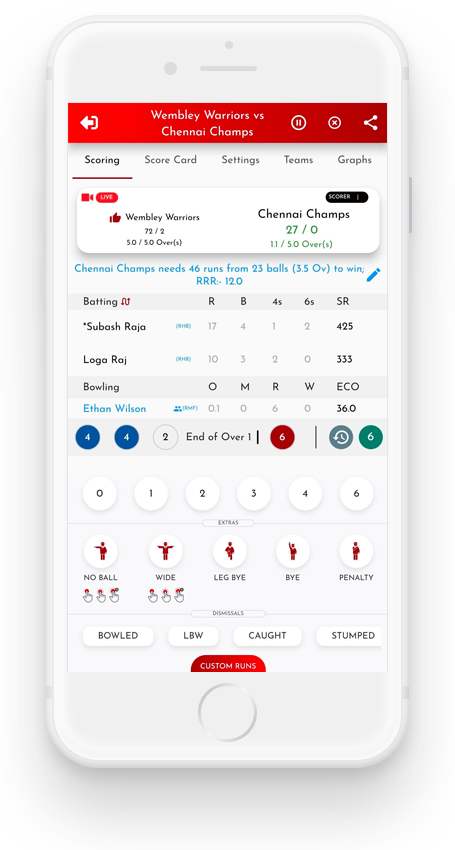
Ultimate Cricket tracking and scoring app for all cricketers.
Track and improve your game with the Vtrakit app right from your
smartphone or tablet. Bring your game to the next level with
Vtrakit!
Vtrakit is about helping Cricketers bring
together their passion, practice and performance.

Vtrakit’s mobile-based app is designed to be user friendly so that anyone can start using it to score games, capture cricketing stats and practice sessions. You could be playing village Cricket, gully Cricket, club Cricket or professional Cricket - you can use Vtrakit to improve your performance, elevate your game and experience Cricket in a whole new way.
Vtrakit App is full of unique features that you can explore to transform your cricketing experience. In addition to scoring games and keeping track of your Cricket stats, you can also connect to other players, capture your practice sessions and create tournaments. Watch the video to get a sneak preview of the Vtrakit App.

Live capture ball-by-ball score of your match with the Vtrakit App & download your scorecard in PDF

Organize tournaments, schedule matches, see tournament stats, points table and much more

Scoring no longer has to fall to one person, transfer scoring to another user during a match within seconds

Relive your shots and deliveries with Pitch Map and Wagon Wheel

Track all your practice hours (batting, bowling, fielding and wicket keeping) by capturing it

You can log your fitness hours and see your progress in real-time.
It serves as a gold standard for how animation dubbing should be done in Southeast Asia: not as a cheap afterthought, but as a loving re-creation. In many ways, the Indonesian Zootopia is no longer just Disney’s film. It’s theirs. And it proves that when you truly speak a country’s language—in every sense of the word—a bunny can indeed be a great cop, no translation needed.
The Indonesian dub handled the film’s central emotional climax—Judy’s tearful apology to Nick—with extraordinary care. Maisha Kanna’s delivery of “ Aku sungguh bodoh. Predator itu tidak jahat. Yang jahat adalah stereotip palsu yang aku sebarkan. ” (“I was really stupid. Predators aren’t evil. What’s evil is the false stereotype I spread.”) reportedly left some adults in the audience quiet and reflective. The language felt less like cartoon dialogue and more like a sincere public service announcement—but delivered organically. Today, the Indonesian dub of Zootopia holds a unique place in local pop culture. Clips of Gibran’s Nick Wilde are regularly used in meme compilations. Parents prefer the Indonesian version for their children because the message lands clearly without the need for subtitles. And on Disney+ Hotstar Indonesia, many viewers choose the Indonesian audio track even when English is available—not out of necessity, but out of preference. zootopia dubbing indonesia
When Disney’s Zootopia hit Indonesian cinemas in 2016, most audiences had a choice: the original English track with subtitles, or the fully localized Bahasa Indonesia dub. While purists often gravitate toward original voices, something remarkable happened with the Indonesian version of Zootopia . It didn’t just translate the film; it transplanted it, creating a version that many local fans now argue surpasses the original in wit, relatability, and emotional punch. The Voices Behind the Animals The success of any dub hinges on casting, and Disney Indonesia (in collaboration with local studios like Iyans Brothers) assembled a dream team. Judy Hopps was voiced by Maisha Kanna , a young actress who brought an infectious blend of optimism, determination, and just the right hint of naive farm-girl earnestness. Her "Siapa bilang kelinci tidak bisa hebat?" ("Who says a bunny can’t be great?") became a minor catchphrase. It serves as a gold standard for how
Opposite her, Nick Wilde was brought to life by , who mastered the sly, fast-talking charisma of the fox. His delivery of "Hak istimewa rubah" ("Fox privilege") drips with sarcasm perfectly calibrated for an Indonesian audience familiar with sly social commentary. And it proves that when you truly speak
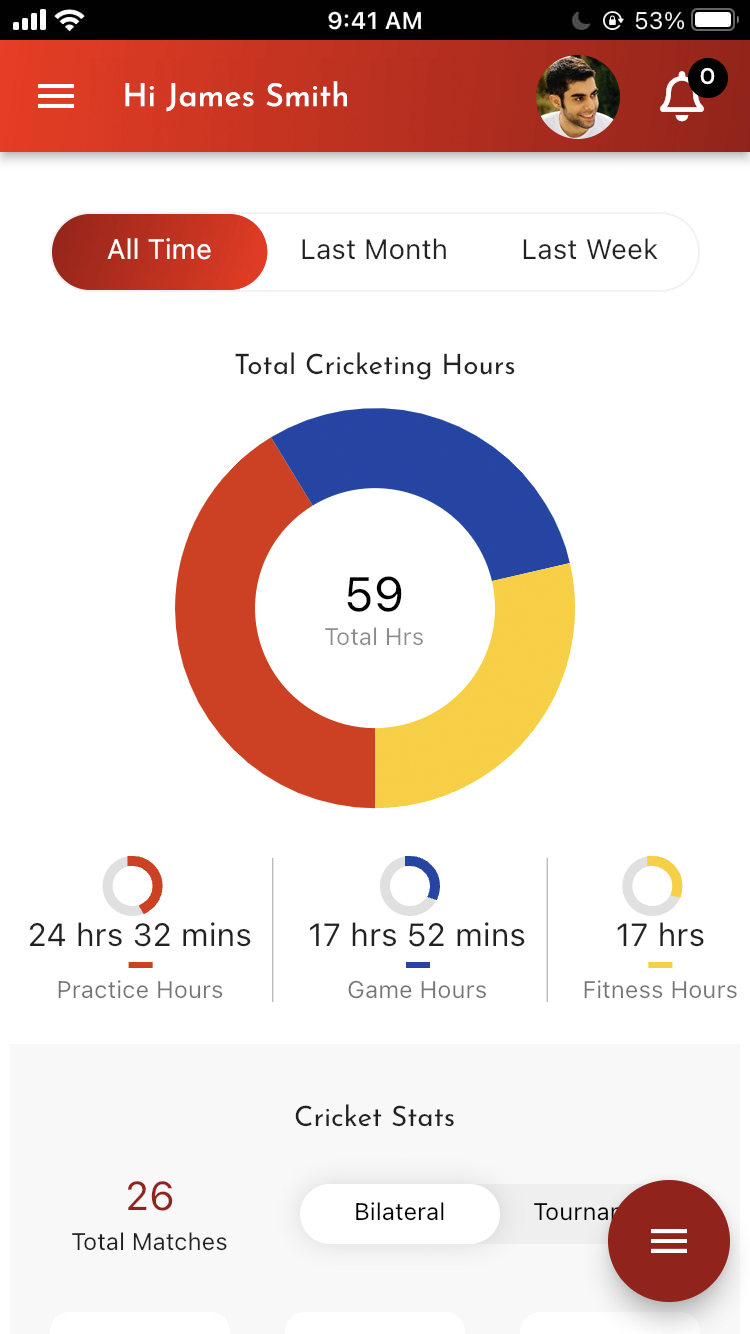
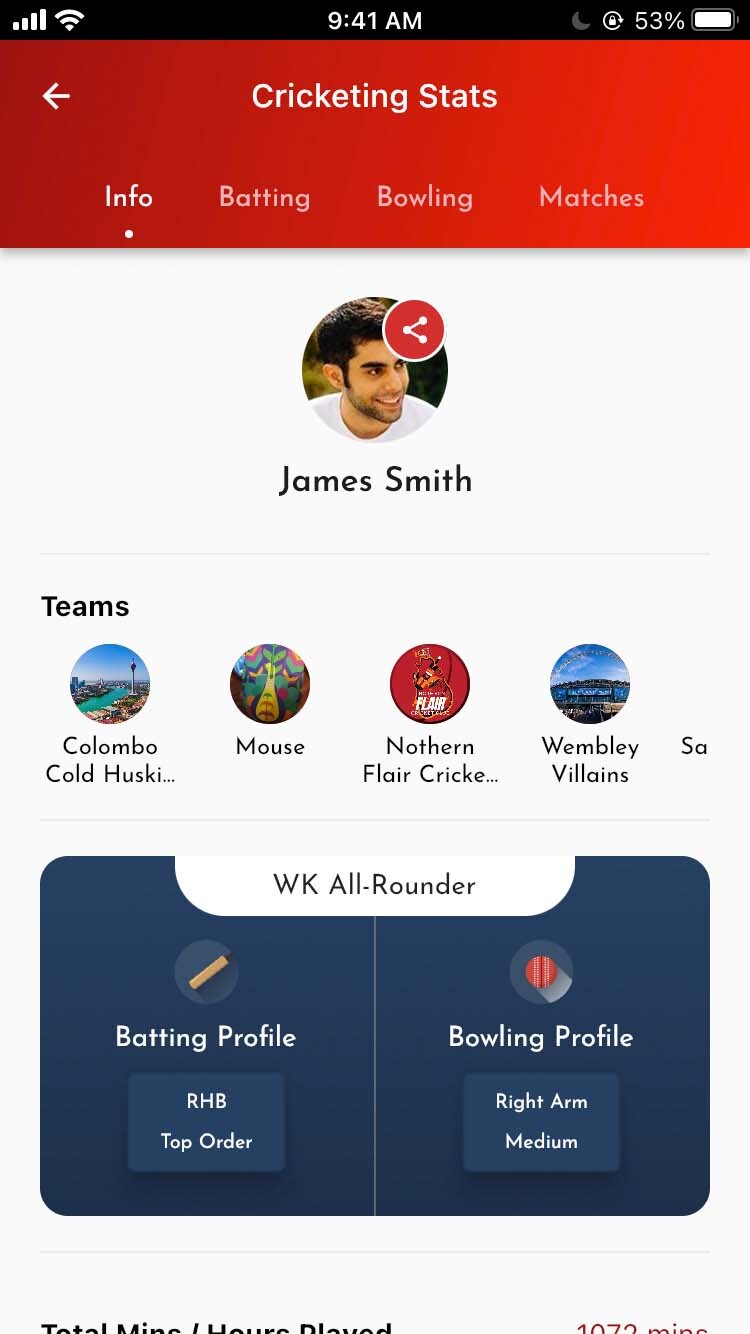
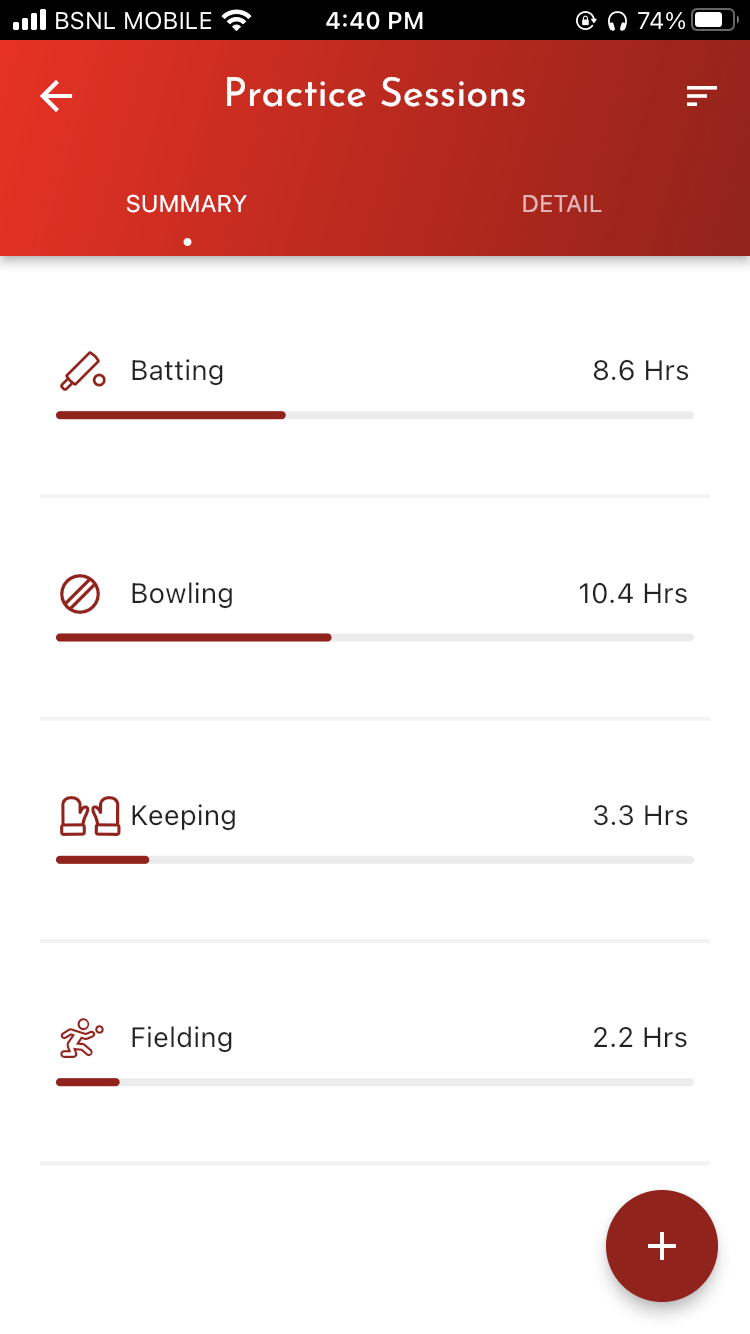
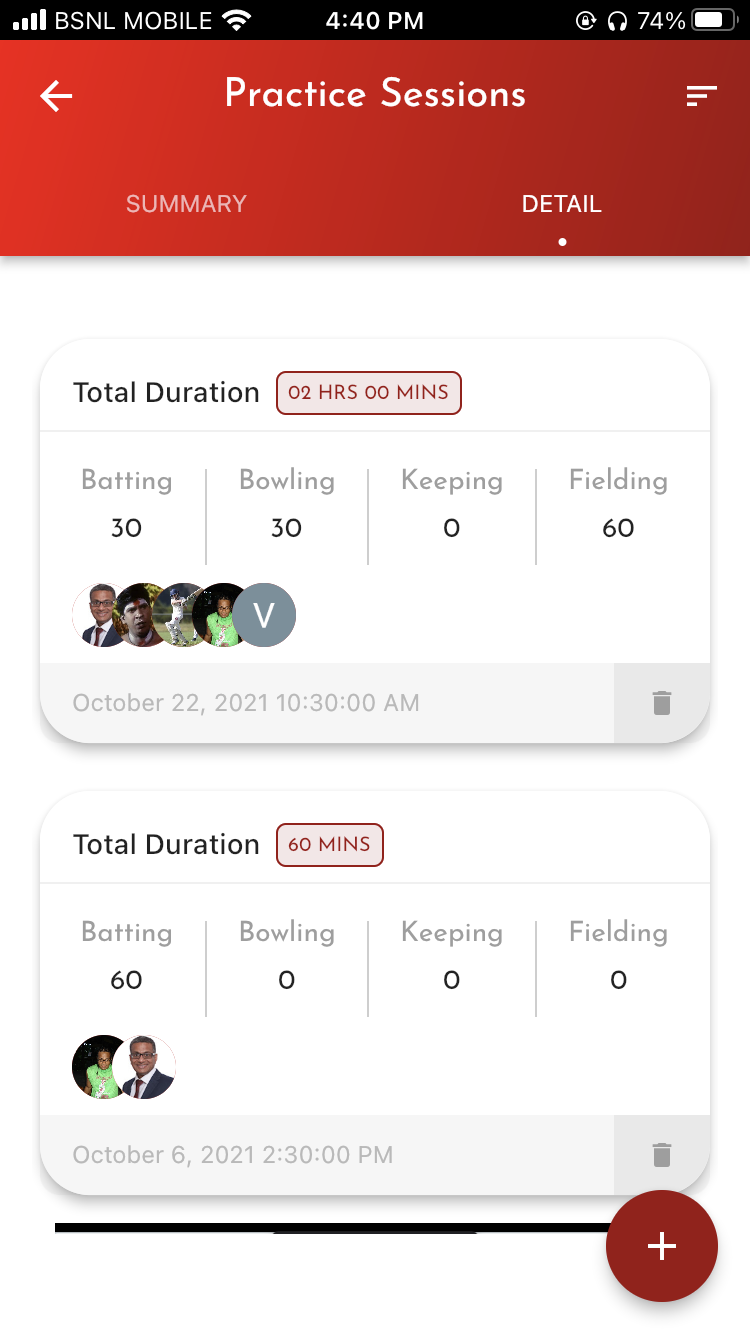
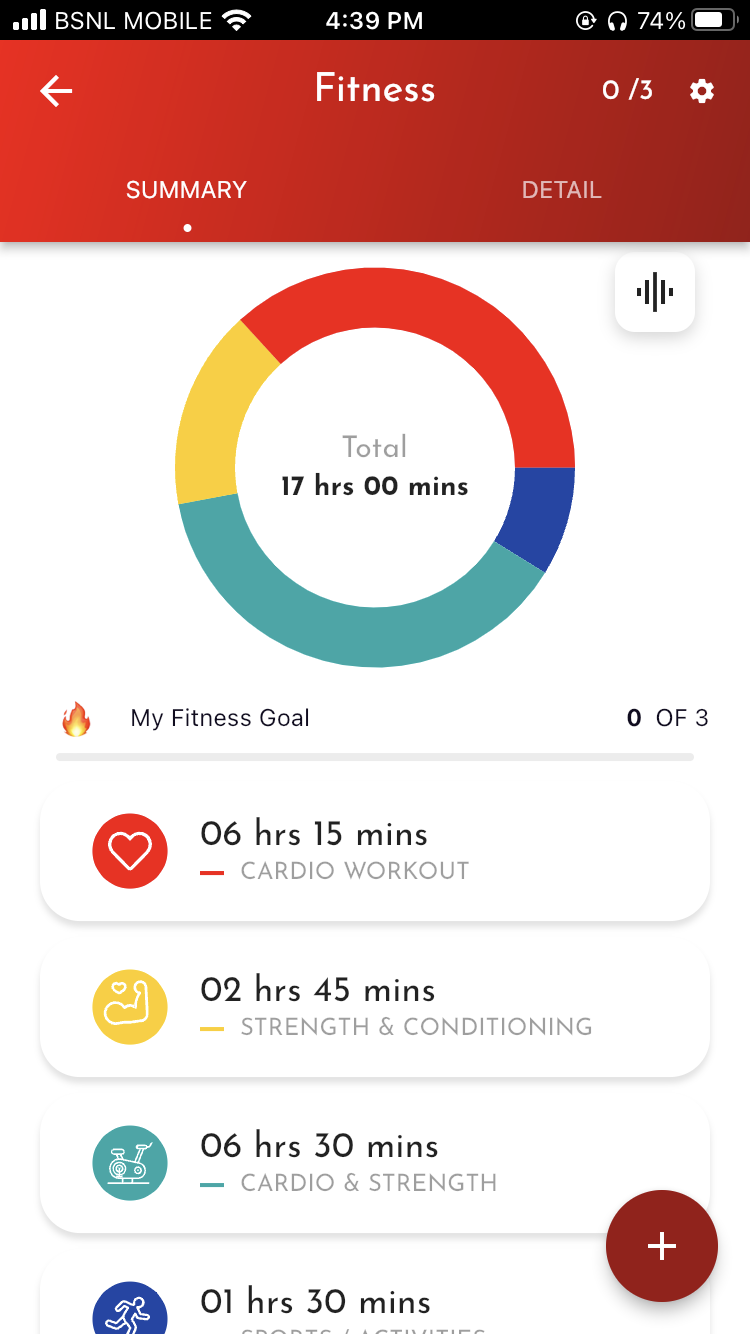
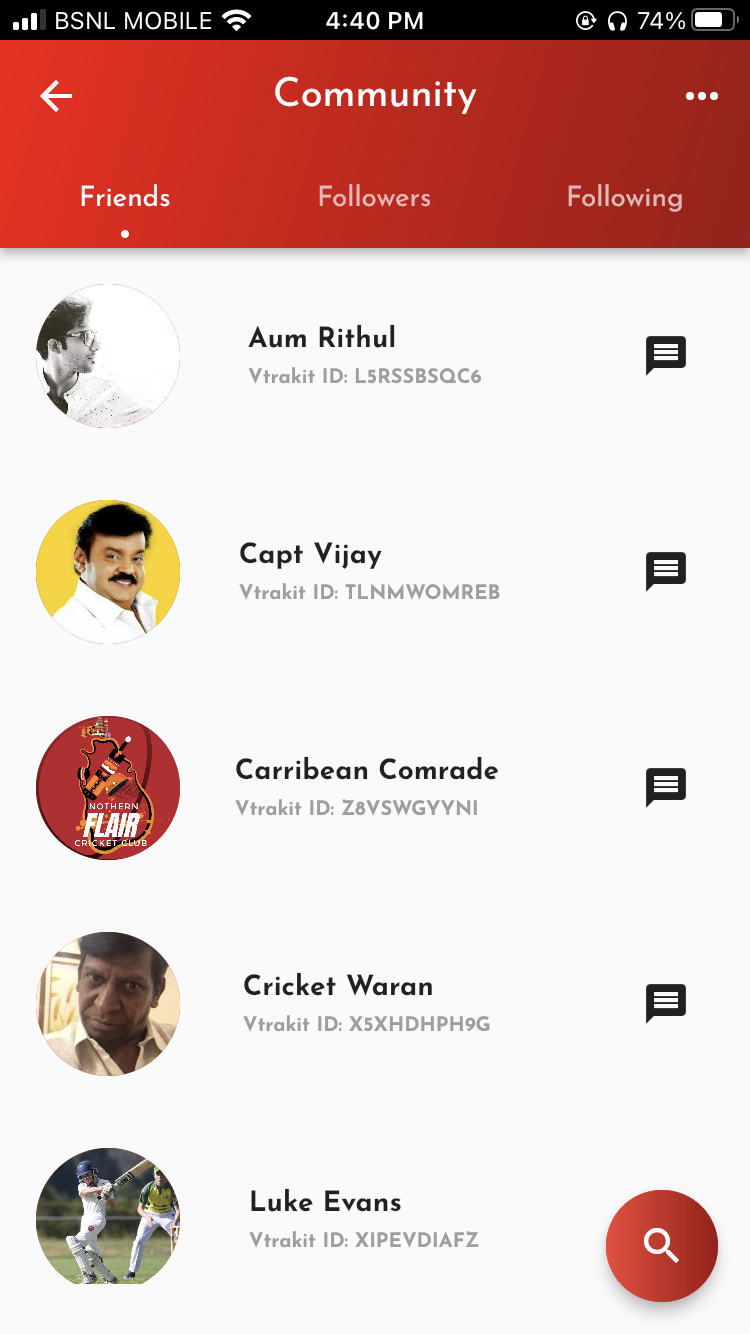
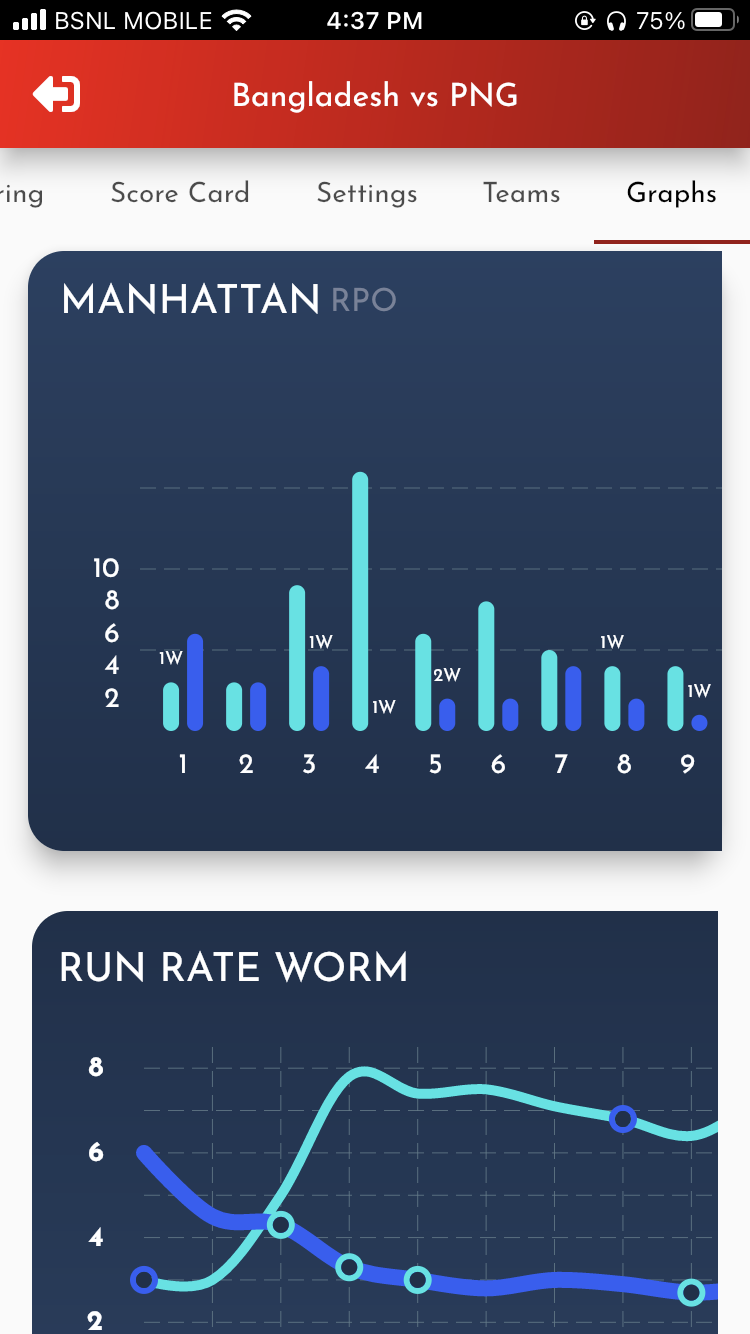
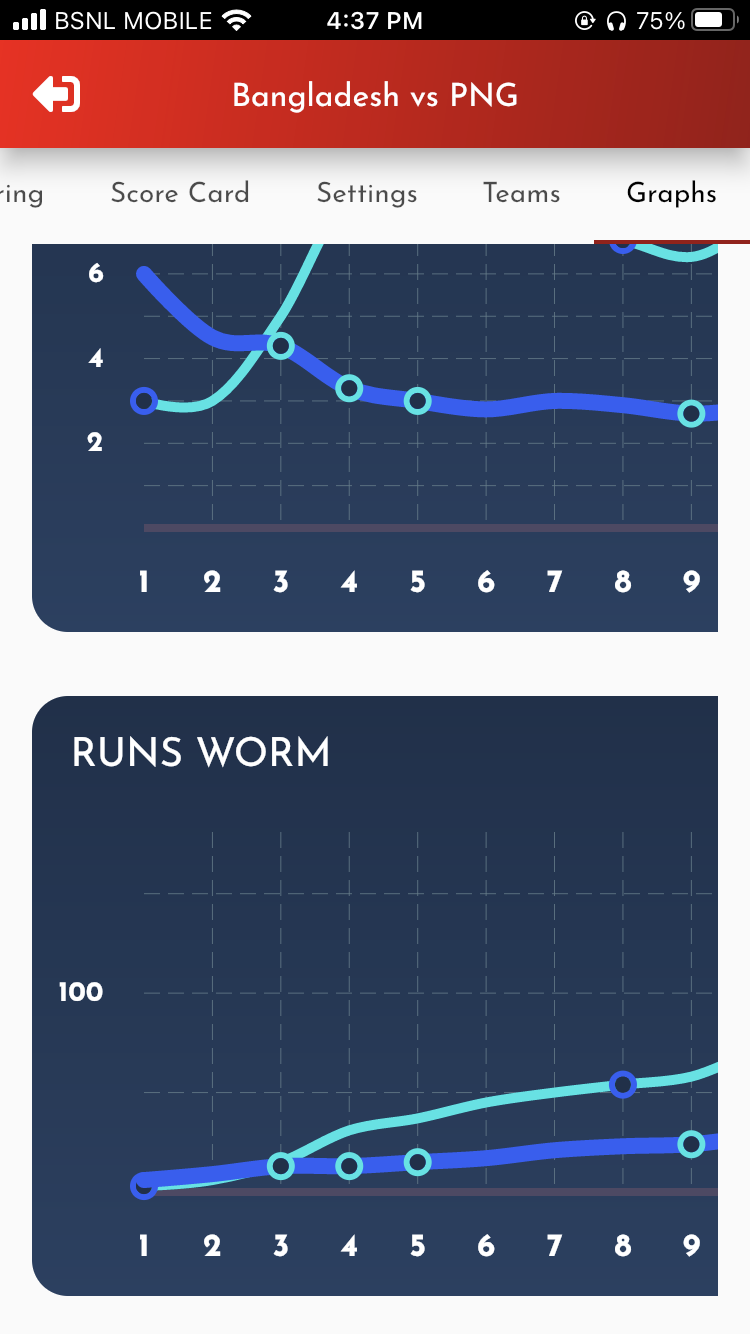
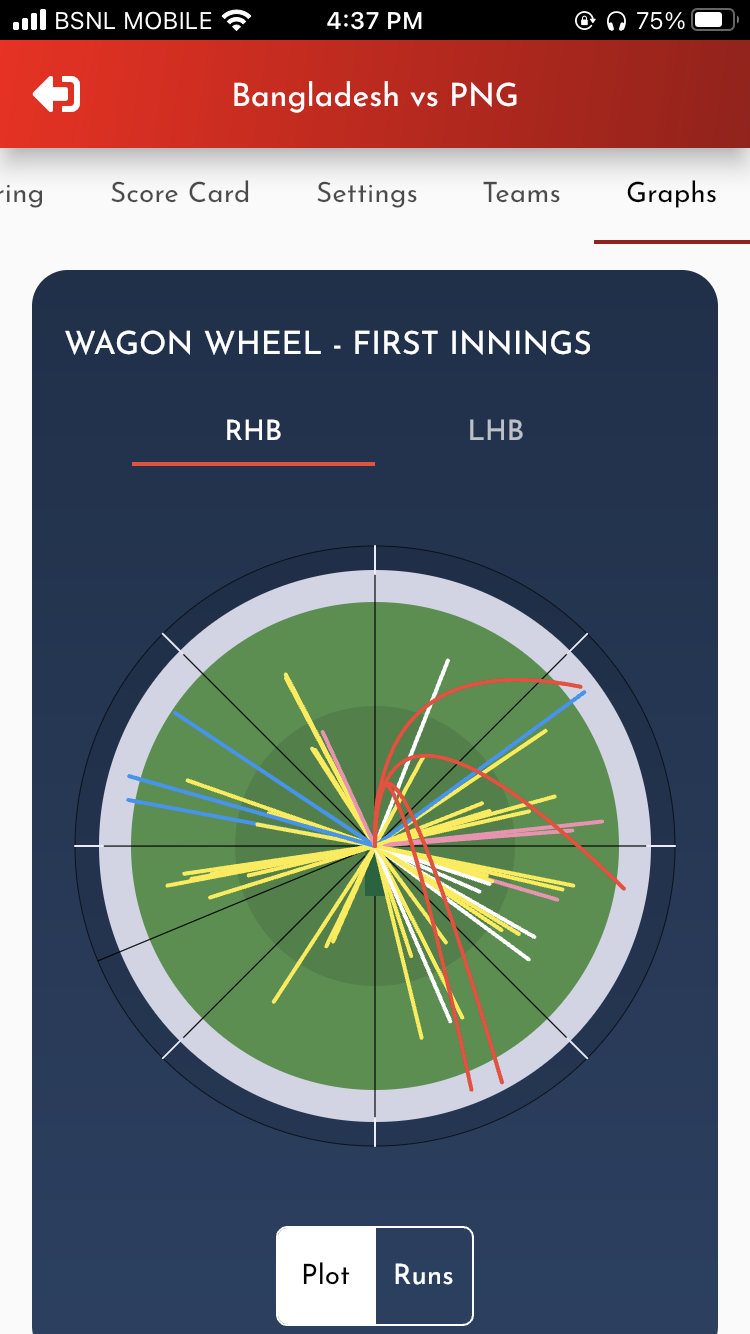
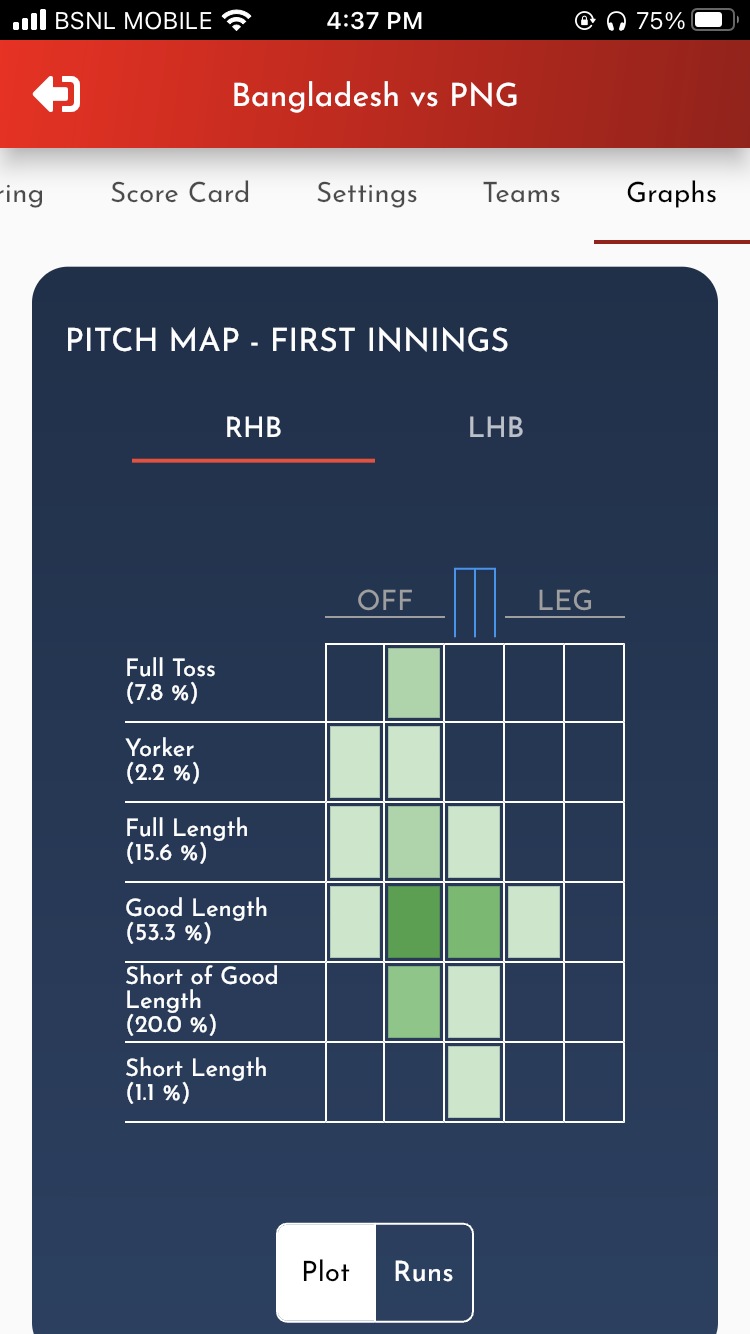
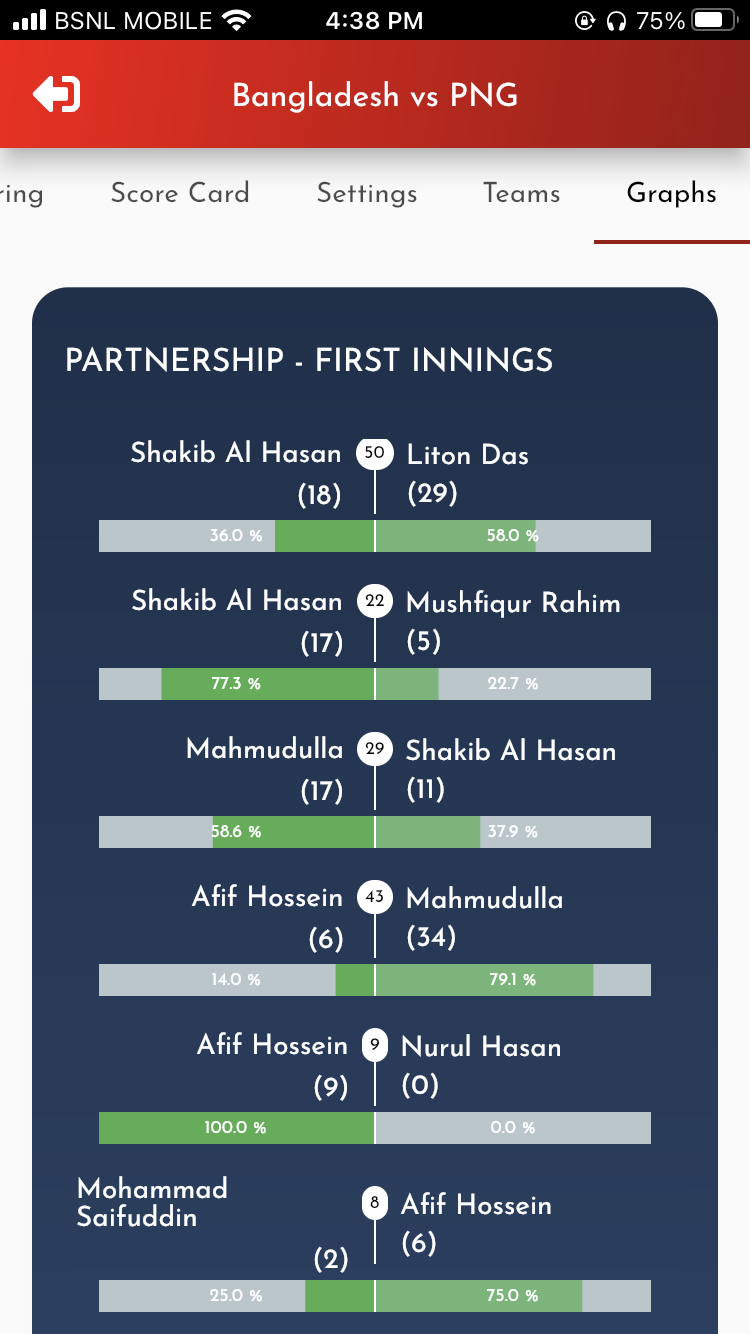
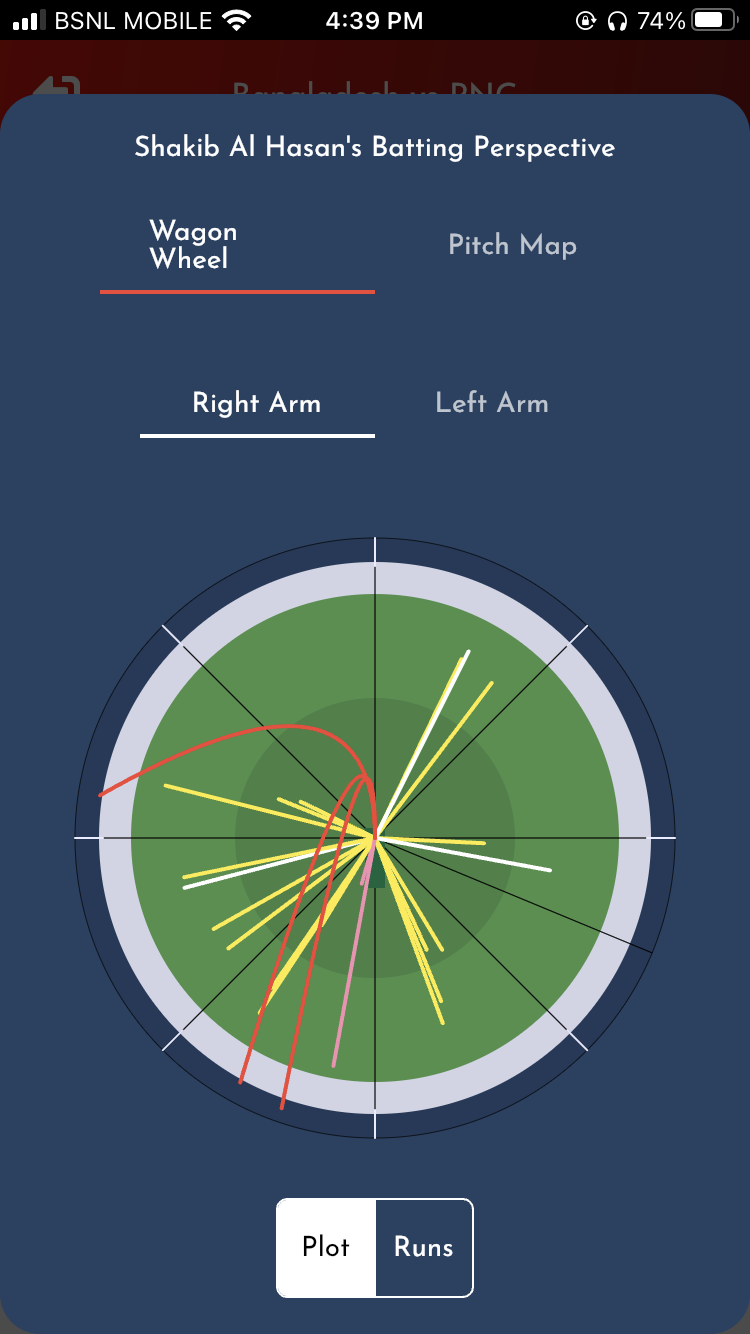
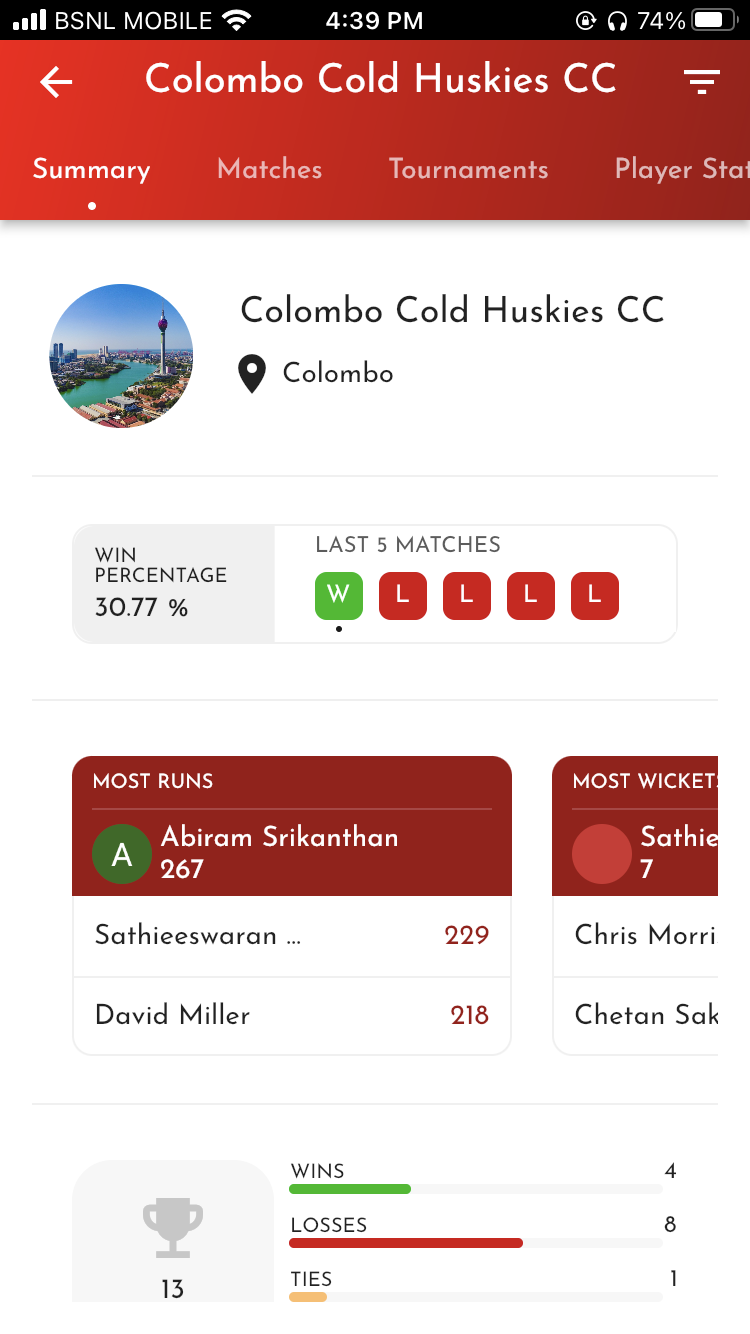
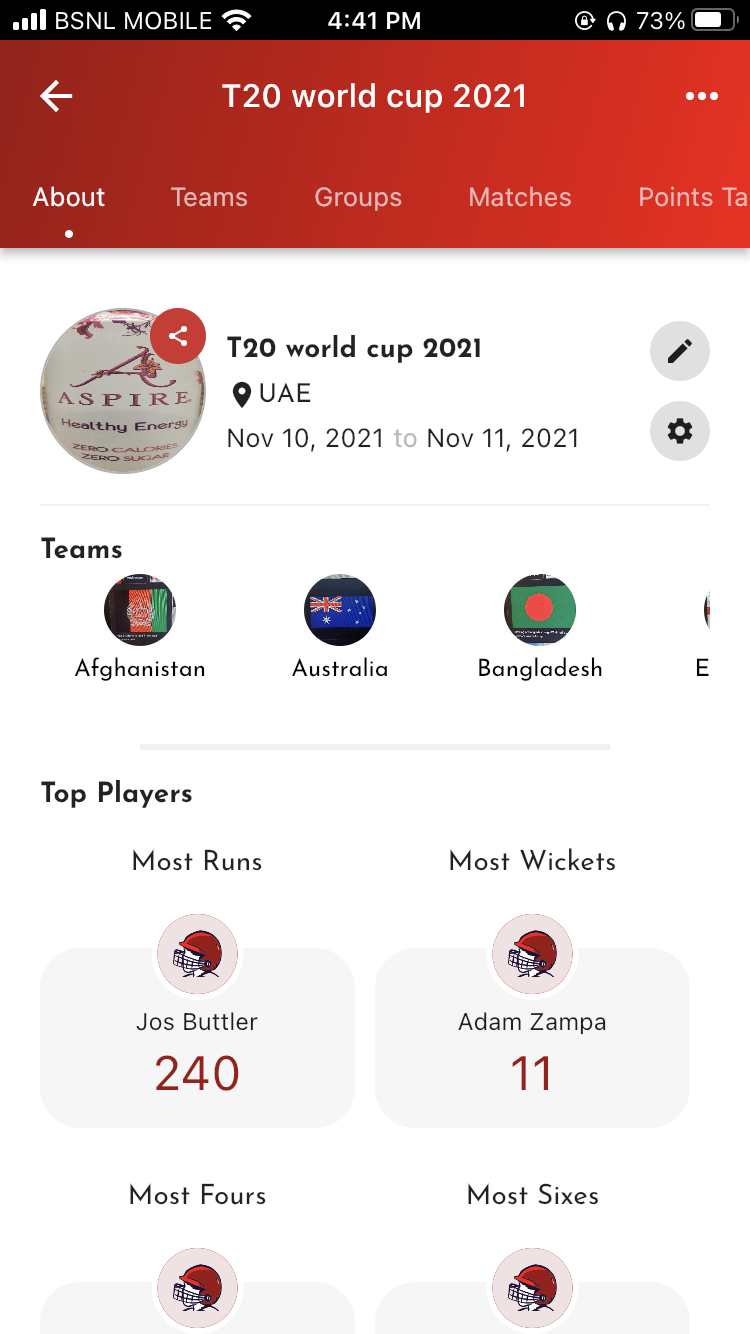
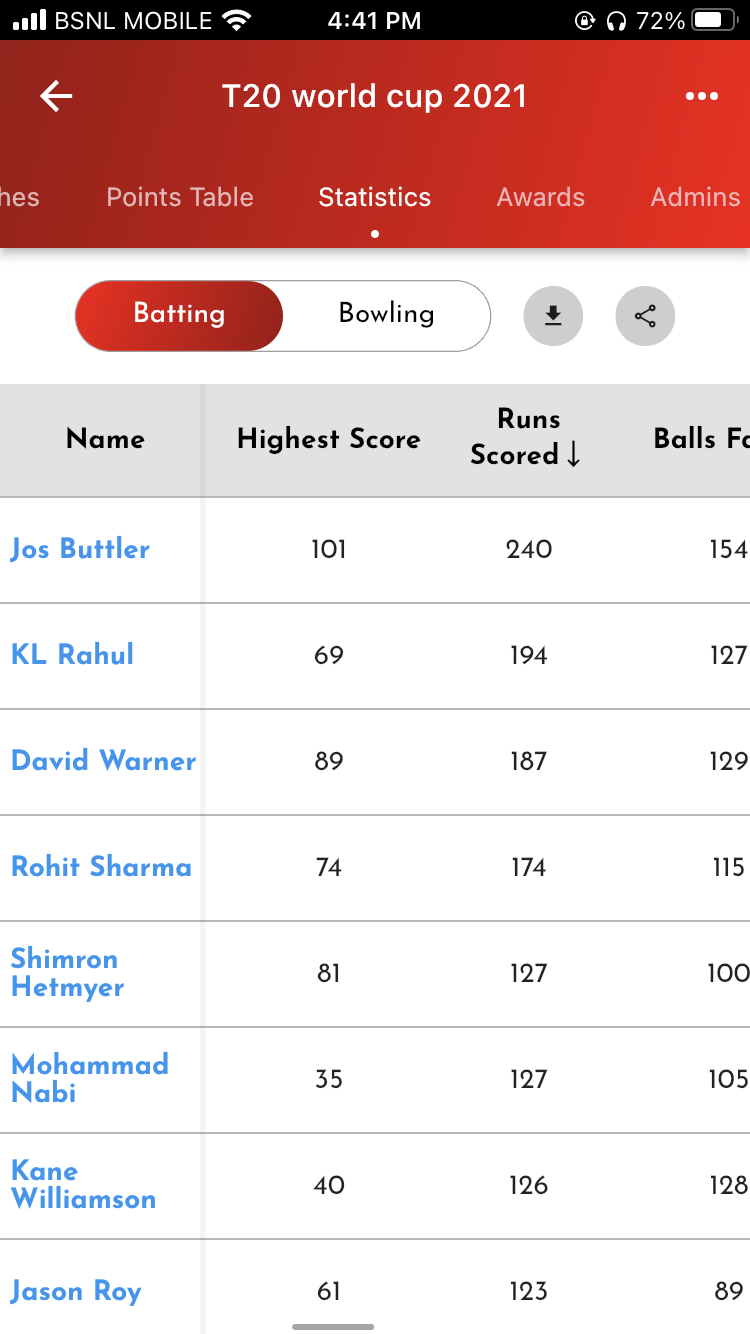
We are Vtrakit. We are about capturing and tracking every aspect of your game to help you make YOUR Cricket Count! Have a look at some of our exciting features.
It serves as a gold standard for how animation dubbing should be done in Southeast Asia: not as a cheap afterthought, but as a loving re-creation. In many ways, the Indonesian Zootopia is no longer just Disney’s film. It’s theirs. And it proves that when you truly speak a country’s language—in every sense of the word—a bunny can indeed be a great cop, no translation needed.
The Indonesian dub handled the film’s central emotional climax—Judy’s tearful apology to Nick—with extraordinary care. Maisha Kanna’s delivery of “ Aku sungguh bodoh. Predator itu tidak jahat. Yang jahat adalah stereotip palsu yang aku sebarkan. ” (“I was really stupid. Predators aren’t evil. What’s evil is the false stereotype I spread.”) reportedly left some adults in the audience quiet and reflective. The language felt less like cartoon dialogue and more like a sincere public service announcement—but delivered organically. Today, the Indonesian dub of Zootopia holds a unique place in local pop culture. Clips of Gibran’s Nick Wilde are regularly used in meme compilations. Parents prefer the Indonesian version for their children because the message lands clearly without the need for subtitles. And on Disney+ Hotstar Indonesia, many viewers choose the Indonesian audio track even when English is available—not out of necessity, but out of preference.
When Disney’s Zootopia hit Indonesian cinemas in 2016, most audiences had a choice: the original English track with subtitles, or the fully localized Bahasa Indonesia dub. While purists often gravitate toward original voices, something remarkable happened with the Indonesian version of Zootopia . It didn’t just translate the film; it transplanted it, creating a version that many local fans now argue surpasses the original in wit, relatability, and emotional punch. The Voices Behind the Animals The success of any dub hinges on casting, and Disney Indonesia (in collaboration with local studios like Iyans Brothers) assembled a dream team. Judy Hopps was voiced by Maisha Kanna , a young actress who brought an infectious blend of optimism, determination, and just the right hint of naive farm-girl earnestness. Her "Siapa bilang kelinci tidak bisa hebat?" ("Who says a bunny can’t be great?") became a minor catchphrase.
Opposite her, Nick Wilde was brought to life by , who mastered the sly, fast-talking charisma of the fox. His delivery of "Hak istimewa rubah" ("Fox privilege") drips with sarcasm perfectly calibrated for an Indonesian audience familiar with sly social commentary.